Let's understand the difference between AC and DC current. Think of electricity like water flowing through a pipe. Sometimes it flows in one steady direction, and other times it switches back and forth. That's the basic idea.
What is AC (Alternating Current)?
AC stands for Alternating Current. The key word here is "Alternating." This means the flow of electricity changes direction back and forth, like a swing going forward and backward. In India, the power that comes from your wall socket is AC. It changes direction 50 times every second (this is called 50 Hz frequency).
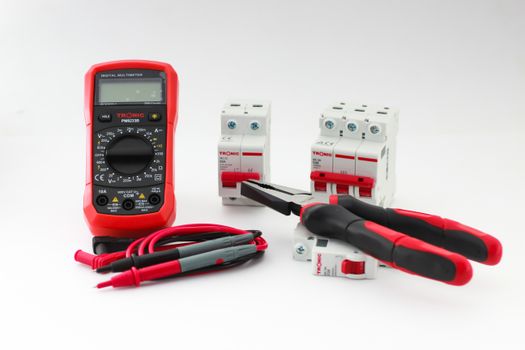
Handy Tools For You
Because it alternates, we can easily increase or decrease its voltage using a device called a transformer. This makes it perfect for sending electricity over long distances from power plants to our homes with less energy loss.
What is DC (Direct Current)?
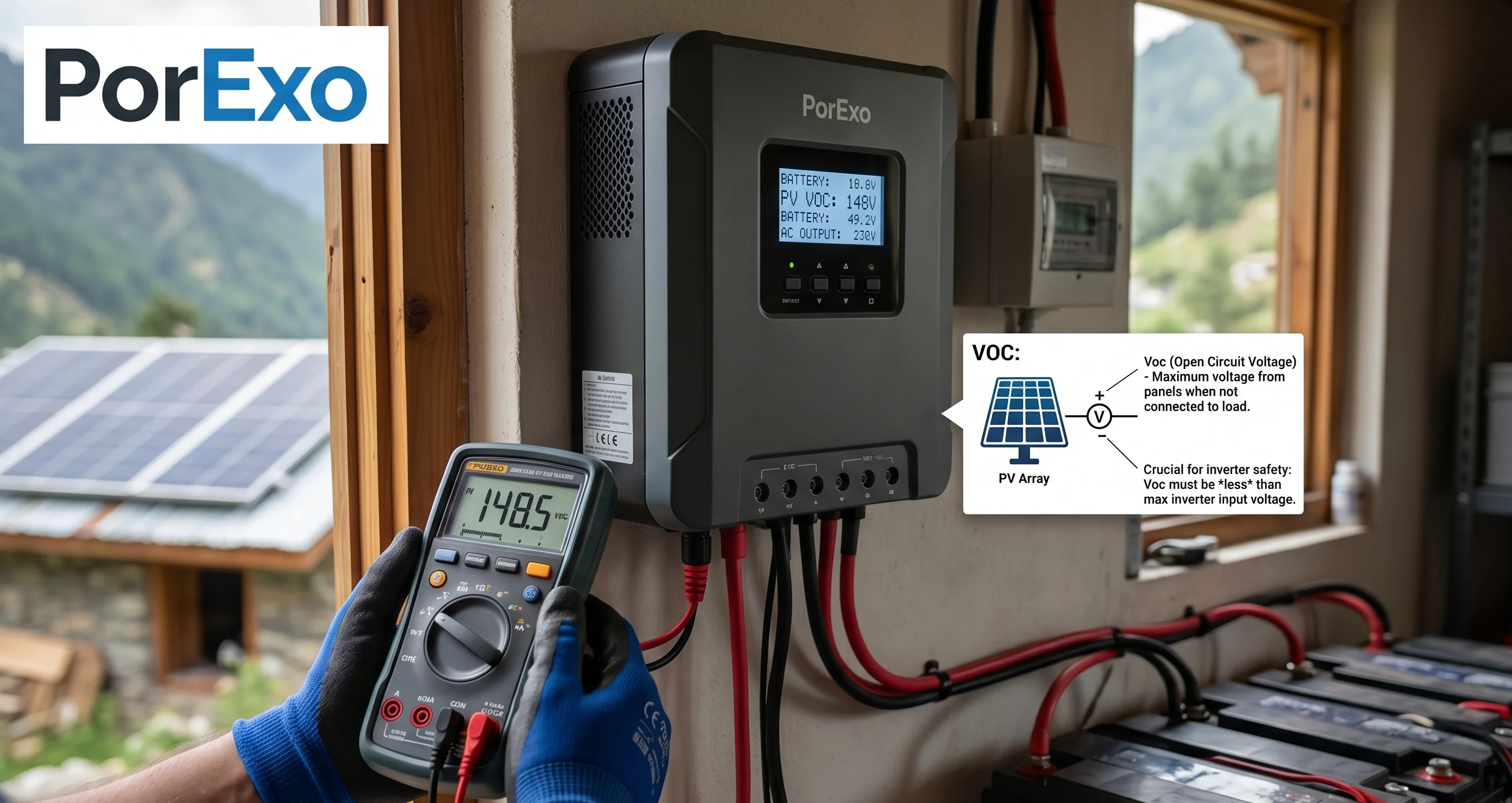
DC stands for Direct Current. The key word is "Direct." This means the flow of electricity is in one constant direction, like water flowing straight down a river. The power from batteries (in your remote, phone, or torch) is DC. Solar panels also produce DC power.
DC provides a steady, constant voltage. Almost all the chips and circuits inside your electronic gadgets need DC power to work properly.
Side-by-Side Comparison
- Direction of Flow: AC changes direction periodically. DC flows in one direction only.
- Voltage: AC voltage can be easily stepped up or down. DC voltage is constant.
- Source: AC comes from power plants and generators. DC comes from batteries, solar cells, or AC adapters.
- Transmission: AC is used for long-distance power lines. DC is used in local circuits and electronic boards.
- Usage: AC runs household appliances like fans, fridges, and TVs. DC runs mobile phones, laptops, LEDs, and car electronics.
AC is like a saw moving back and forth to cut wood.
DC is like a knife being pushed straight forward to cut.
How They Work Together
You might wonder, if our homes get AC power, how do our DC devices work? That's where the "charger" or "adapter" comes in. The small black box on your laptop charger is actually converting the AC from the wall into the DC that your laptop needs. It's a translator for electricity! You can think of tools like a Unit Converter doing a similar job of translating one type of unit into another.
Why Do We Use Both?
Each type has its own superpower. AC's superpower is efficient long-distance travel. DC's superpower is stable and safe power for sensitive electronics. Our modern world uses a mix of both to get the best of each.
Frequently Asked Questions
📚 Read Next
Which is more dangerous, AC or DC?
Both can be dangerous, but AC is often considered more dangerous at common household voltages because it can cause muscles to tense up (making it hard to let go), and its alternating nature affects the heart more easily. Always be careful with any electrical source.
Can I store AC power in a battery?
No, batteries can only store DC power. To store AC power, it first needs to be converted to DC (using a rectifier) to charge the battery. When you need AC from the battery, an inverter converts the DC back to AC.
Why do phones use DC instead of AC?
The tiny circuits and processors inside your phone need a very steady and precise voltage to function. DC provides this constant flow. AC's constantly changing voltage would be like trying to power a delicate watch with a jerky, back-and-forth motion—it wouldn't work reliably.
Where can I learn more about electrical concepts?
For practical tools related to calculations and conversions, you can check out resources like the EMI Calculator for finance or the Compound Interest Calculator. While they are for different purposes, they help build an understanding of how systems (like electrical or financial) work with different types of inputs and outputs.
I hope this makes the difference between AC and DC clearer. Remember, AC is the back-and-forth current for our grids, and DC is the one-way current for our gadgets. They're a great team!