If you run a shop in India and your electricity bill is a big part of your monthly expenses, you might be thinking about solar power. It's a great way to cut costs and have a backup when the power goes out. Let's break down how you can get a solar inverter system for your shop without spending too much.
How to Start: Figuring Out What You Need
The first step isn't buying equipment. It's understanding your shop's power needs. Think about all the things that use electricity:
Handy Tools For You
- Lights (LEDs or tube lights)
- Fans or an air conditioner
- A refrigerator or cooler
- Charging points for phones
- Any specific machinery like a sewing machine, printer, or mixer
Check your past electricity bills to see how many "units" (kWh) you use in a day. A simple rule of thumb: if you mainly need to run lights, fans, and a small fridge during a power cut, a 1kW to 3kW system could be enough.
Putting the System Together: The Main Parts
A basic solar system for a shop has three key parts:
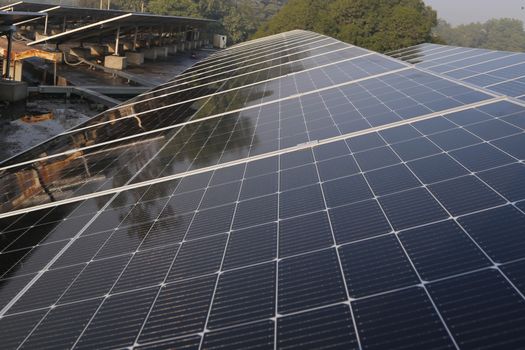
- Solar Panels: These sit on your roof and catch sunlight. Polycrystalline panels are usually more affordable and work well for shops.
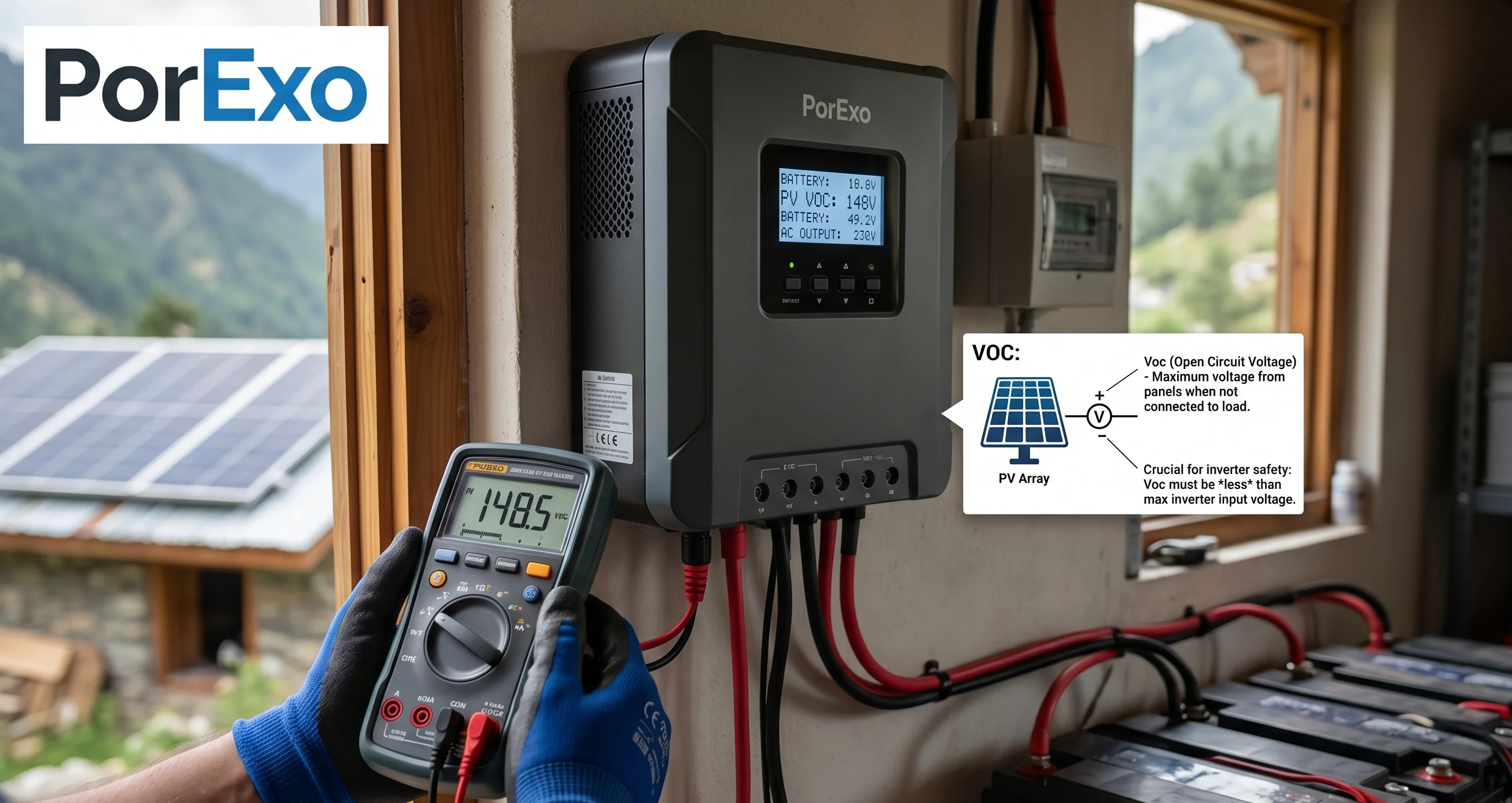
- Solar Inverter: This is the brain. It takes the DC power from the panels, converts it to AC to run your appliances, and manages the battery. A "solar inverter" is different from a regular UPS inverter because it can use solar power first.
- Battery: This stores the extra solar energy for use at night or during power cuts. Tubular batteries are a popular and durable choice.
Keeping Costs Low: Smart Choices
"Affordable" doesn't mean buying the cheapest option. It means getting good value for your money.
- Brand Matters: Go for known brands like Luminous, Microtek, Sukam, or Exide. They might cost a bit more upfront, but they are more reliable and have better service networks. A breakdown during peak business hours costs more than the price difference.
- Government Help: There are often subsidies and schemes from the central and state governments to promote solar energy. Check with your local electricity discom or a trusted installer. This can significantly reduce your cost.
- Start with What You Need: You don't have to power your entire shop from solar on day one. Start with a system that handles your critical loads (lights, fans, one point of sale machine). You can always add more panels later.
A Simple Example Setup
Let's say you want to run 5 LED lights, 3 fans, and a small refrigerator during a power cut for about 6 hours.
Appliances:
- 5 LED Lights (10W each) = 50W
- 3 Fans (50W each) = 150W
- 1 Refrigerator (150W, runs 1/3 of the time) = ~50W
Total Running Wattage ≈ 250W

Total Energy Needed for 6 hours = 250W * 6h = 1500 Watt-hours (1.5 kWh)

Recommended System Size: A 2kW solar panel system with a 2kVA inverter and 2 batteries (150Ah each) would comfortably handle this with room to spare.
Don't Forget Maintenance
Once it's installed, a little care goes a long way. Keep the solar panels clean from dust and bird droppings. Check the battery water level regularly (if it's a flooded type). A well-maintained system can easily last over 10 years.
Switching to solar for your shop is a practical decision. It reduces your operating cost, protects you from power cuts, and is better for the environment. Take your time, do the math for your specific shop, talk to a couple of installers, and make the move when you're ready.
For managing other aspects of your business, like creating labels or editing documents, you might find tools like our Shipping Label Maker or Text Editor helpful.
Frequently Asked Questions
📚 Read Next
How much does a basic solar system for a small shop cost?
For a system that can run lights, fans, and a small fridge (around 1.5kW to 2kW), the price can range from ₹1 lakh to ₹1.8 lakhs. This includes panels, inverter, battery, and installation. Government subsidies can bring this cost down by 20-40%.
Can I run an AC on a shop solar system?
You can, but it requires a much larger and more expensive system (typically 3kW or more) because air conditioners use a lot of power. For most small shops, it's more cost-effective to use solar for essential loads and maybe use a fan or desert cooler instead.
What happens on rainy or cloudy days?
The solar panels will produce less electricity. That's why the system is connected to the grid and has batteries. On cloudy days, it will draw power from the grid to charge the batteries and run your shop, ensuring you never run out of power.
How long does the installation take?
For a standard rooftop system for a shop, the installation usually takes about 3 to 7 days once all the materials are on site and permissions (if any) are sorted.