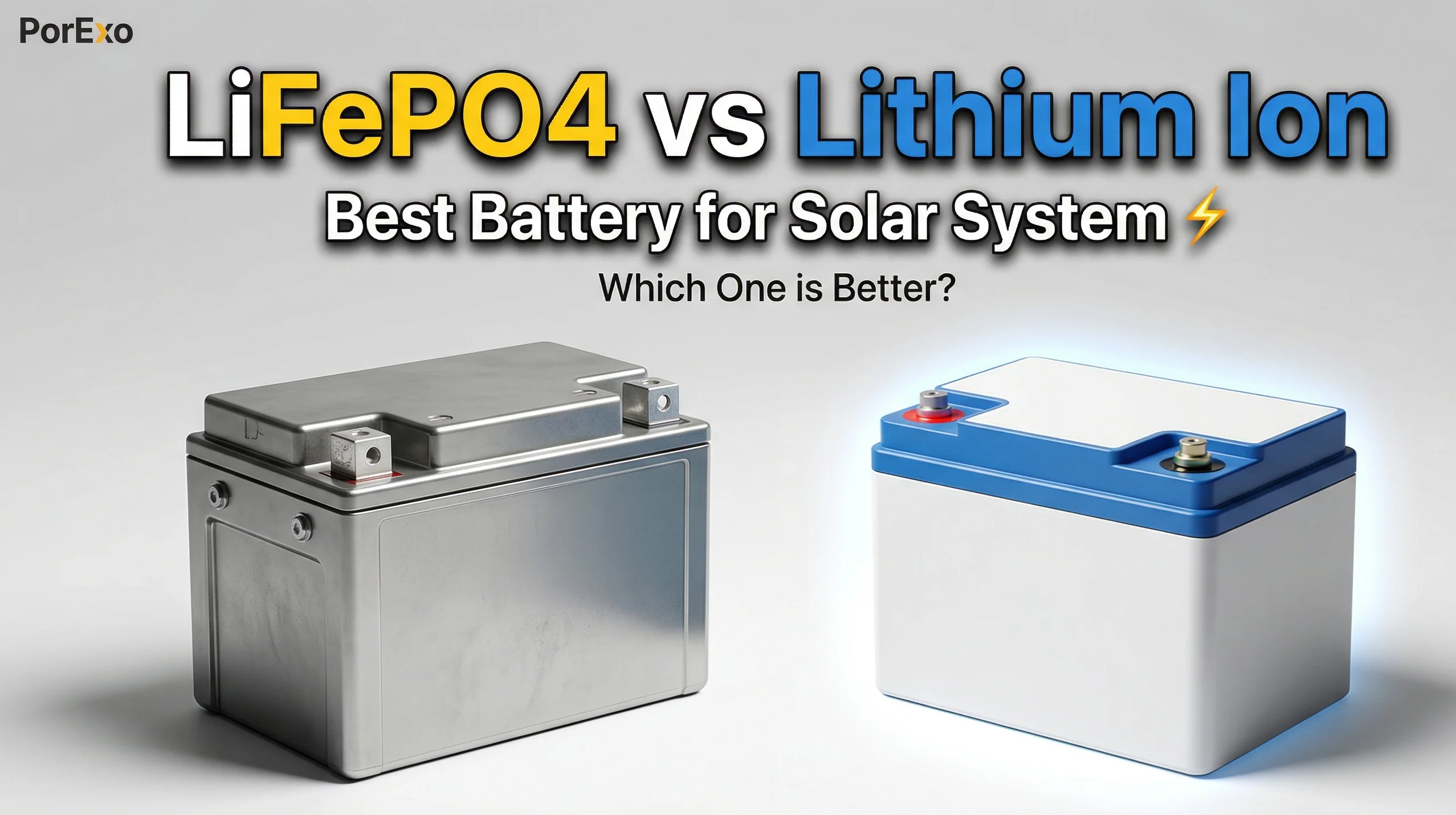
Hey there! If you're setting up a solar system, picking the right battery can feel a bit confusing. You've probably heard about lithium batteries, but there are different kinds. The two main ones you'll see are LiFePO4 and Lithium Ion. Let's break down what makes them different, in simple terms.
Think of it like choosing a car. One might be super fast and sleek (that's like Lithium Ion), while another is incredibly reliable and safe for the long haul (that's more like LiFePO4). Both run on lithium, but they're built for different priorities.
Handy Tools For You
What's the Main Difference?
The core difference is in their chemistry. "Lithium Ion" is a big family that includes the batteries in your phone or laptop. LiFePO4 (Lithium Iron Phosphate) is a specific, very stable member of that family. This difference in chemistry changes almost everything about them.
Key Points to Consider
- Lifespan & Durability: LiFePO4 batteries are the marathon runners. They can typically handle thousands of charge cycles and last many years longer than standard Lithium Ion batteries in solar setups.
- Size & Weight: Standard Lithium Ion batteries often win here. They pack more energy into a smaller, lighter box, which can make installation in tight spaces easier.
- Safety & Stability: This is a major plus for LiFePO4. They are much more stable, resist overheating, and are far less likely to catch fire—a crucial factor for a system on your home.
- Power Density: If you need the most power in the smallest space, traditional Lithium Ion (like NMC) usually offers higher energy density. You get more watt-hours from a similarly sized battery.
So, Which One Should You Choose?
It depends on what you value most:
- Choose LiFePO4 if your top concerns are safety, long-term value, and durability. You're willing to accept a slightly larger battery for peace of mind and a product that won't need replacing for a long time. This is the most popular choice for home solar storage today. Brands like SolarEdge and many others use this technology.
- Choose Lithium Ion (like NMC) if space and weight are your absolute biggest constraints, and you need maximum power from a minimal footprint. They are still safe when used with proper battery management systems.
For most home solar systems, especially for beginners, the safety and longevity of LiFePO4 makes it the recommended starting point.
// A simple comparison for a typical home setup:
Battery Type: LiFePO4
Capacity: 10 kWh
Cycle Life: 6000 cycles (to 80% capacity)
Operating Temp: -20°C to 60°C
Key Advantage: Stability & Long Life

Battery Type: Lithium Ion (NMC)
Capacity: 10 kWh
Cycle Life: 3000 cycles (to 80% capacity)
Operating Temp: 0°C to 45°C
Key Advantage: Compact Size
Frequently Asked Questions
📚 Read Next
Is LiFePO4 actually a type of Lithium Ion battery?
Yes, exactly! It can be a bit confusing. LiFePO4 is a specific chemistry *within* the broader Lithium Ion battery family. When people say "Lithium Ion," they're often referring to other common types like Lithium Nickel Manganese Cobalt (NMC). So, all LiFePO4 batteries are Lithium Ion, but not all Lithium Ion batteries are LiFePO4.
Why are LiFePO4 batteries more expensive upfront?
They often cost more initially because they use more stable (and sometimes more costly) materials like iron and phosphate. However, because they last so much longer, the cost over the lifetime of your system is often lower. You're paying more now to replace batteries less often.
Can I use old electric car batteries for my solar system?
It's technically possible but generally not recommended, especially for beginners. Used EV batteries are often a different Lithium Ion chemistry (like NMC) that has already gone through many charge cycles. Their remaining lifespan and health can be uncertain, and integrating them safely requires expert knowledge. For a reliable, set-and-forget system, new batteries designed for solar are the better choice. You can learn more about battery repurposing from resources like the U.S. Department of Energy.
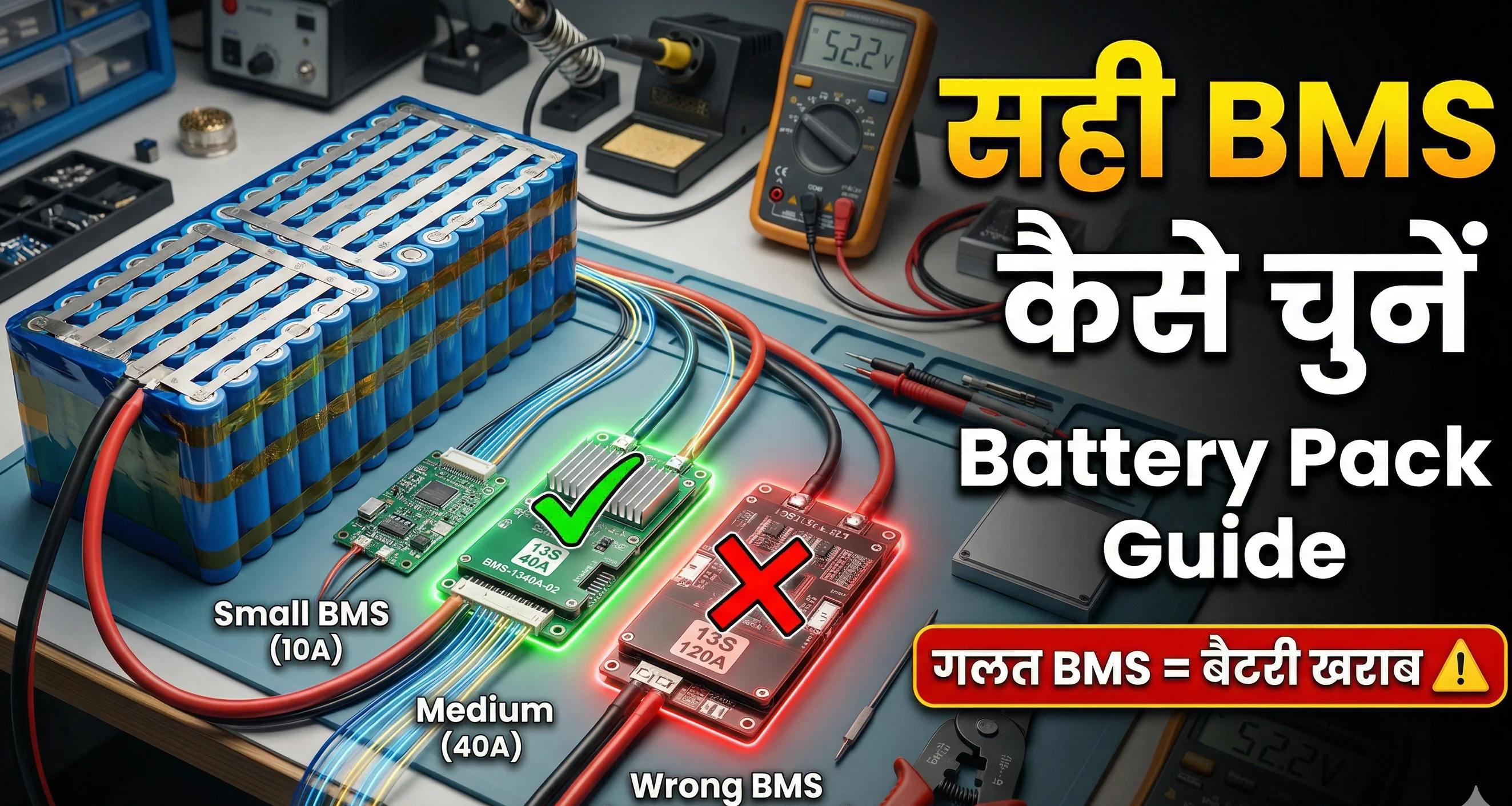
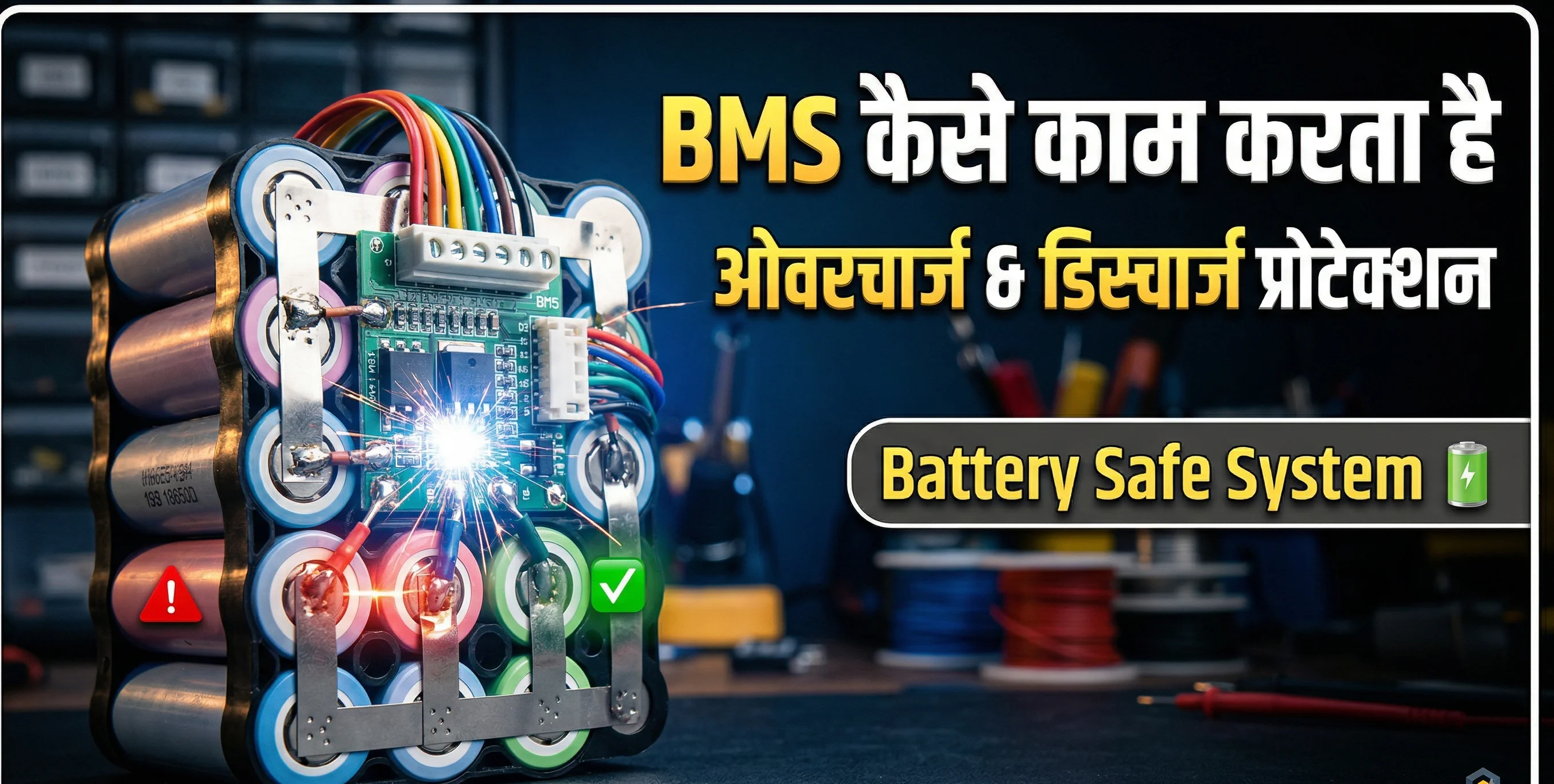
How important is the Battery Management System (BMS)?
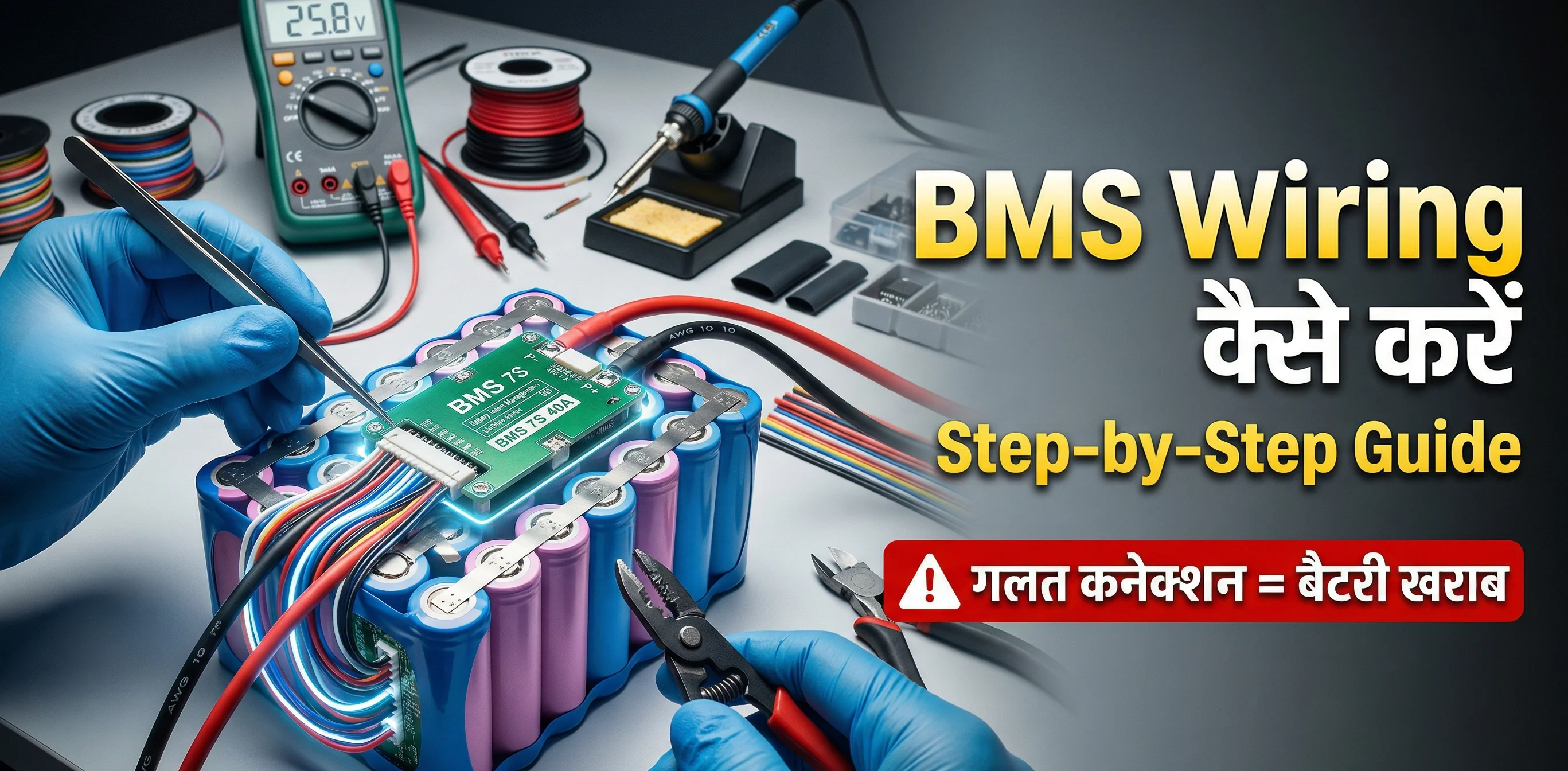
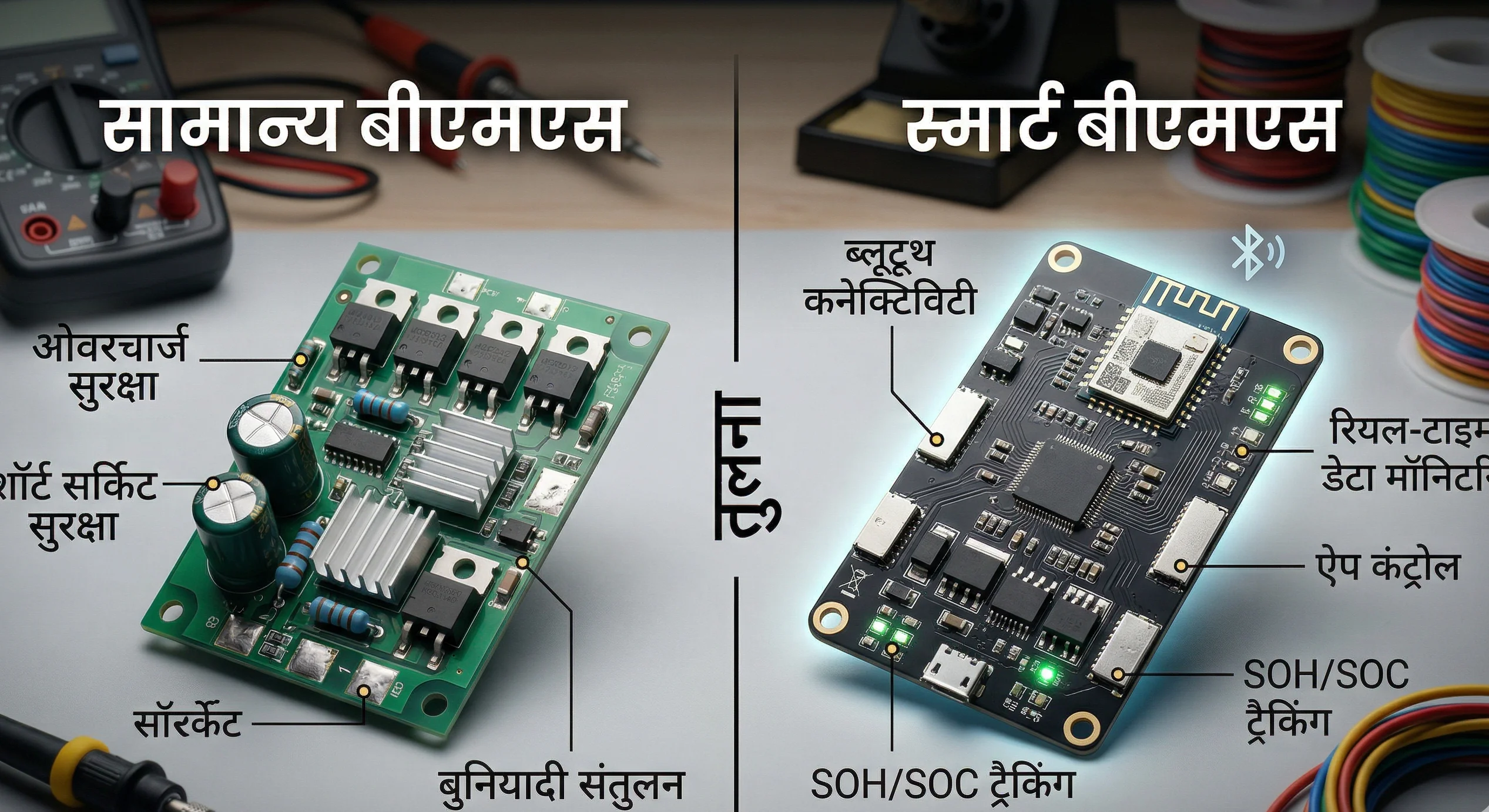
Extremely important for both types! A good BMS is the brain of the battery. It protects the battery by monitoring voltage, temperature, and current to prevent overcharging, deep discharging, and overheating. Never buy a lithium battery without a reliable, built-in BMS.