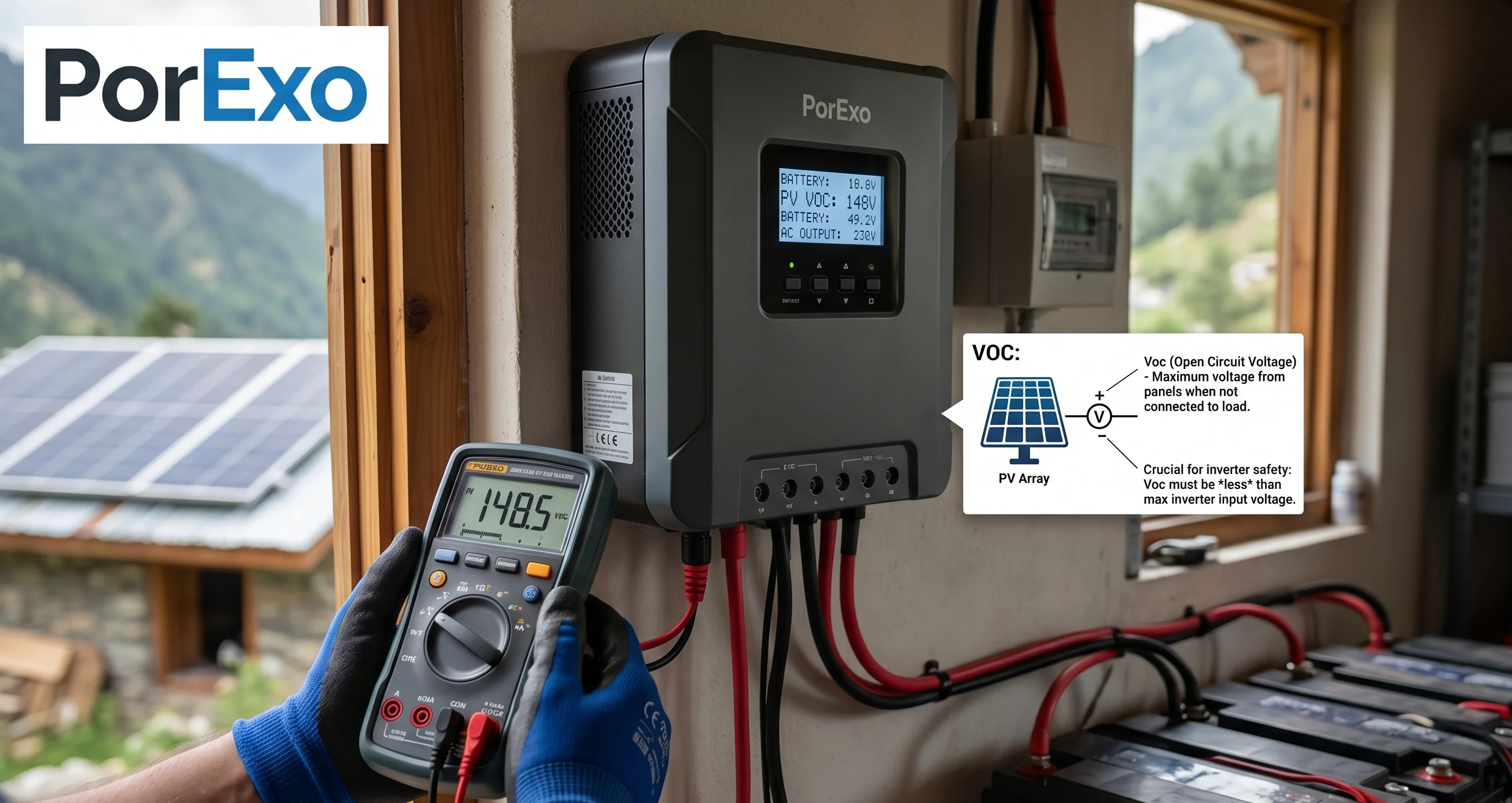
Hey there! If you're setting up a solar system or need a reliable backup for your inverter, choosing the right lithium battery can feel a bit overwhelming. Don't worry, I've been there. Let's walk through what makes a great battery and I'll share some solid options that people around the world trust.
What to Look For in a Good Battery
Think of a battery like the heart of your power system. You want it to be strong, last a long time, and work well with the rest of your setup. Here are the main things to keep in mind:
Handy Tools For You
- Energy Density: This is how much power the battery can store in a given space. A higher density means you get more backup power without taking up too much room.
- Cycle Life: This tells you how many times you can charge and discharge the battery before its performance starts to drop. A higher number means a longer-lasting battery.
- Solar Compatibility: Not all batteries play nicely with solar charge controllers and inverters. Make sure the one you pick is designed to work with solar systems.
- Brand Reputation: Go with a company known for quality and good customer support. It saves a lot of headache later on.
Some Trusted Battery Options
Based on what works well for home and small business setups globally, here are a few brands and series that consistently get good reviews:
- LG Chem RESU: Known for its compact size and strong performance. It's a popular choice for home solar storage.
- Tesla Powerwall: This is an all-in-one system that's great if you want a seamless solar and backup solution. It's well-integrated but can be on the pricier side.
- BYD B-Box: A reliable and often more affordable option with a strong track record in large-scale projects, now available for homes too.
- Pylontech US Series: These are modular batteries, meaning you can start small and add more units later as your needs grow. They are very popular with installer communities.
For a detailed, independent look at different models and their real-world performance, you can check out resources from SolarReviews or EnergySage.
A Quick Note on Installation and Safety
Lithium batteries are safe when used correctly, but they're not like old car batteries. Proper installation is key. Always:
- Follow the manufacturer's installation guide to the letter.
- Use the correct cables and circuit breakers as specified.
- Ensure the battery is in a well-ventilated area and protected from extreme weather.
- Consider having a qualified electrician or solar installer handle the setup.
Frequently Asked Questions
📚 Read Next
How long do these lithium batteries typically last?
A good quality lithium battery for solar storage is often rated for 4000 to 6000 charge cycles. In practical terms, if you use it daily, you can expect it to last 10 years or more before you notice a significant drop in its capacity.
Can I use any lithium battery with my existing inverter?
Not always. You need to check the battery's communication protocol (like CAN bus or RS485) and voltage to see if it's compatible with your inverter. It's best to consult your inverter's manual or contact the manufacturer. Many brands like Victron or Growatt have lists of compatible batteries.
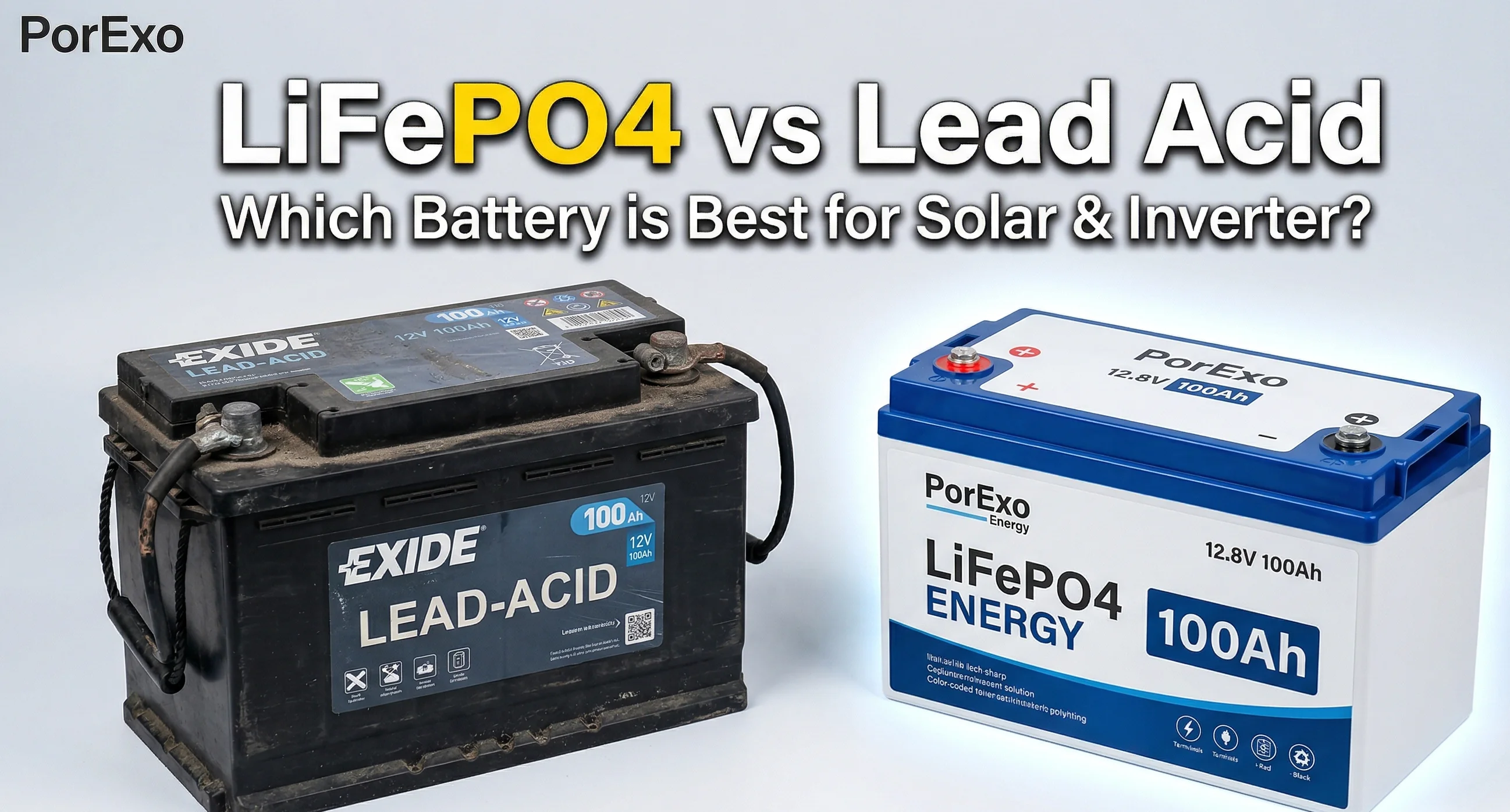
Are lithium batteries better than lead-acid for solar?
For most home solar setups, yes. Lithium batteries last much longer, can be discharged more deeply without damage, require no maintenance, and are more compact. The higher upfront cost is usually worth it over time because you won't need to replace them as often.
What does "modular" mean for a battery?
Modular means you can connect multiple battery units together to increase your total storage capacity. It's like building with Lego blocks. You can start with what you need now and easily add more batteries later if your power needs increase, which is a very cost-effective approach.