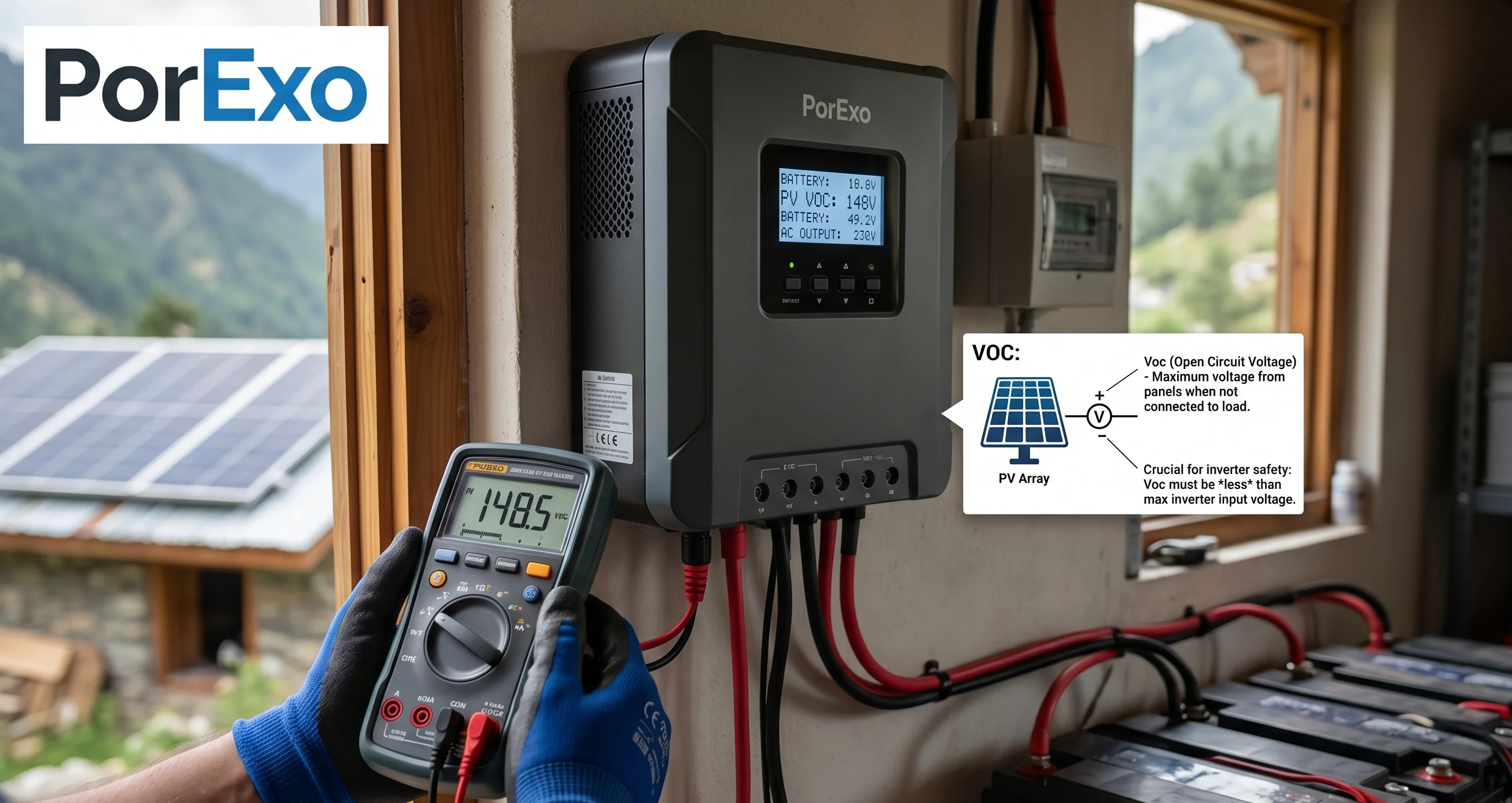
Running an office means you can't afford power cuts. They stop work, can damage equipment, and are just plain frustrating. A solar inverter is a smart way to keep the lights on and your computers running, using free energy from the sun. If you're figuring out which one to get for your office in India, let's break it down simply.
What to Look for in an Office Solar Inverter
Don't just buy the first one you see. Think about these things first:
Handy Tools For You
- Capacity (kVA): This is how much load it can handle. Add up the wattage of all the essential things you need to run—lights, fans, computers, a printer or two. A small office might manage with a 1.5-2 kVA system, while a larger one may need 3 kVA or more.
- Battery Type & Backup Time: How long do you need power for? Tubular batteries are common and offer good backup. You'll also need to decide how many batteries to connect.
- Hybrid vs. Off-Grid: A hybrid inverter is usually best for offices. It uses solar power first, then the grid, and then the battery. It can even send extra solar power back to the grid (if your state allows it). An off-grid system works independently of the grid entirely.
- Brand & Service: Good after-sales service is crucial. You need a company that will respond quickly if there's an issue.
Some Good Options to Consider
Based on reliability and features suitable for offices, here are a few inverters that are often recommended:
1. Luminous Solar NXG Hybrid Inverter
Luminous is a trusted name. Their NXG series is built for high performance and can handle the start-up power needed for office appliances like air conditioners. It's a solid, all-round choice.
2. Sukam Solar Inverters
Sukam has been in the power backup game for a long time. Their solar inverters are known for being rugged and reliable, which is exactly what you want for daily office use.
3. Microtek Solar Hybrid Inverter
Microtek offers great value. Their inverters are efficient, durable, and come with useful features like an LCD display to monitor performance, all at a competitive price point.
4. Delta Solar Inverters
If you have a larger office or need a very efficient, high-tech system, Delta is a premium brand to explore. They are known for excellent engineering and high conversion efficiency, meaning you get more power from your solar panels.
A Simple Example: Calculating Your Load
Let's do a quick, rough calculation for a small office:
10 LED Lights (10W each) = 100W
4 Ceiling Fans (70W each) = 280W
5 Laptops (65W each) = 325W
1 Desktop + Monitor = 200W
1 Printer = 50W
2 WiFi Routers = 20W
-----------------------------
Total Approximate Load = 975W

Safety Margin (add 20-25%) = ~1200W

Required Inverter Capacity: A 1.5 kVA (1500VA) inverter would be suitable.
Always get a professional to do a proper audit, but this gives you a starting point. For more precise calculations, you can use a tool like our Unit Converter to check wattage conversions.
Next Steps Before You Buy
- Consult a Professional: Get a reputable solar installer to visit your office. They will assess your roof space, sunlight hours, and exact power needs.
- Get Quotes: Ask for detailed quotes from 2-3 installers for different brands and system sizes.
- Check Subsidies: See if your state or the central government (through the Ministry of New and Renewable Energy) offers any subsidies for commercial solar installations.
Choosing the right solar inverter is an investment in your office's productivity and your electricity bill savings. Take your time, do the homework, and you'll find a system that keeps your business running smoothly.
Frequently Asked Questions
📚 Read Next
Can a solar inverter run an air conditioner in my office?
Yes, but you need to plan for it. Air conditioners need a lot of power, especially when starting up. You'll need a higher-capacity inverter (like 3-5 kVA) and a larger battery bank to support it for a useful amount of time. Always check the inverter's specifications for "motor starting capacity."
How much does a solar inverter system for a small office cost?
For a basic 2-3 kVA hybrid solar inverter system with batteries and panels for a small office, you might be looking at roughly ₹1.5 to ₹2.5 lakhs, depending on the brand and battery capacity. The price has been coming down, and the long-term savings on electricity make it worthwhile.
What's the main difference between a solar inverter and a normal UPS/inverter?
A normal UPS/inverter only charges from the grid electricity and then uses the battery during a cut. A solar inverter can charge the battery using solar panels from the sun, which is free. It can also mix power from solar, grid, and battery to keep your office running and cut your electricity bill.
How long do the batteries last?
Good quality tubular batteries, if maintained well, can last 4-5 years. Newer Lithium-ion batteries last longer (8-10 years) and require less maintenance but are more expensive upfront. To manage documents related to your system warranty or quotes, a PDF tool can be handy.