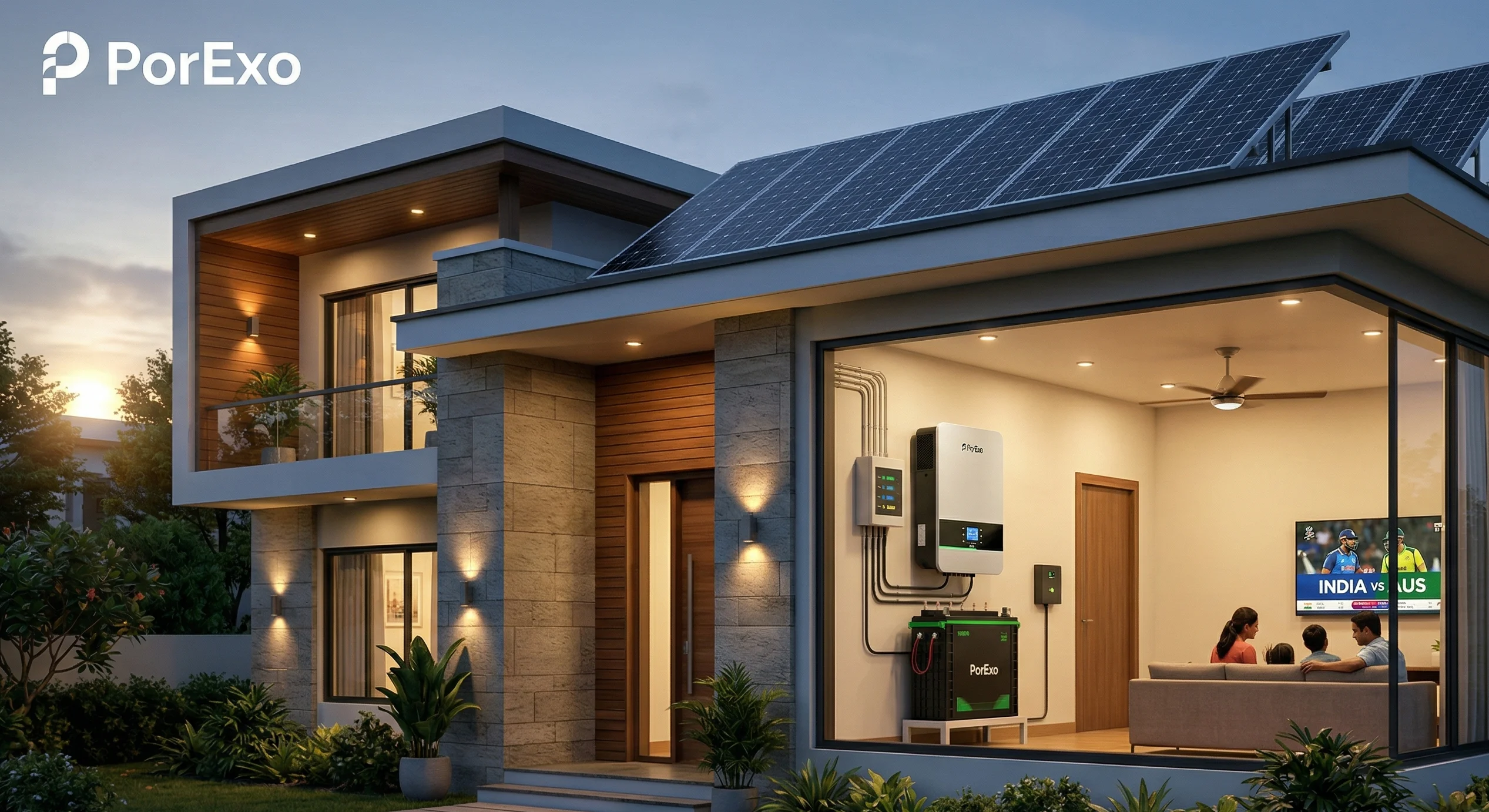
Thinking about getting a solar inverter for your home in India? It's a great way to keep your lights on during power cuts and save on electricity bills. Let's break down what you should look for and some good options to start your search.
What to Look For in a Solar Inverter
Picking the right inverter isn't just about the brand name. You need to match it to your home's needs. Here are the main things to check:
Handy Tools For You
- Capacity (VA/kW): This is how much power the inverter can handle. Add up the wattage of the appliances (like fans, lights, TV) you want to run during a power cut. Choose an inverter with a capacity higher than that total.
- Battery Compatibility: Make sure the inverter works well with the type of battery you have or plan to buy, like Tubular or Lithium-ion.
- Backup Time: How long will it power your essentials? This depends on your battery's capacity (in Ah) and how much load you're putting on it.
- Solar Charging: A good solar inverter should efficiently convert solar panel DC power to AC for your home and charge the battery with any excess energy.
- Warranty & Service: A longer warranty (5+ years) is a good sign. Also, check if the company has service centers near you for quick support.
Popular Solar Inverter Brands in India
Based on market reputation and user feedback, here are some brands known for reliable home solar inverters:
- Luminous: They offer a wide range of inverters with good solar charging technology and are known for their strong service network across India.
- Su-Kam: A pioneer in the power backup industry, Su-Kam has inverters with advanced features like pure sine wave output, which is safer for sensitive electronics like laptops and medical equipment.
- Microtek: Known for durability and value for money. Their solar inverters are a popular choice for basic to medium home backup needs.
- Exide: Leveraging their battery expertise, Exide inverters are designed for seamless integration with their own batteries, offering optimized performance.
- Havells: A trusted brand for electrical goods, Havells provides efficient and feature-rich solar inverters with a focus on safety.
Tip: Before deciding, visit electronics or solar shops, talk to installers, and always read recent customer reviews online to understand real-world performance.
How to Calculate Your Power Needs
Let's do a quick example. Suppose you want to run during a power cut:
- 3 LED Lights (10W each) = 30W
- 2 Fans (50W each) = 100W
- 1 TV (80W) = 80W
- 1 WiFi Router (10W) = 10W
Total Load: 30 + 100 + 80 + 10 = 220 Watts.
You should look for an inverter with a capacity of at least 800-1000 VA to handle this load comfortably and safely, leaving some room for a small margin. For more precise calculations, you can use our Unit Converter tool to check wattage conversions.
Frequently Asked Questions
📚 Read Next
What's the difference between a normal inverter and a solar inverter?
A normal inverter only charges its battery from the main electricity grid. A solar inverter can charge its battery from both the grid and solar panels. It converts the DC power from the panels into usable AC power for your home.
Can I add solar panels to my existing inverter?
Usually, no. A standard inverter is not designed to handle the input from solar panels. You would need a specific solar hybrid inverter or a separate solar charge controller integrated into your system.
How much does a home solar inverter system cost in India?
The cost depends heavily on capacity and brand. A basic 1 kVA solar inverter system with a battery and panels can start from around ₹50,000-₹70,000. Prices go up for higher capacity, better brands, and lithium batteries. It's best to get quotes from 2-3 local suppliers.
Is a pure sine wave inverter important?
Yes, especially for modern homes. Pure sine wave inverters provide clean, grid-like power that is safe for sensitive devices like air conditioners, computers, and medical equipment. Modified sine wave inverters are cheaper but can damage such devices over time.
External Resource: For official standards and detailed technical specifications, you can refer to the Ministry of New and Renewable Energy (MNRE) website.
Choosing a solar inverter is an important decision. Take your time, assess your needs correctly, and invest in a system that will give you reliable backup for years to come.