Think of a regular solar panel. It only catches sunlight on the front side. A bifacial solar panel is different—it can catch light on both the front and the back. This is a smart way to get more energy from the same piece of equipment.
How Do They Work?
Imagine you're holding a flashlight. You point it at a white wall. The wall reflects some of that light back. A bifacial panel works on a similar idea. The front side catches direct sunlight, just like any panel. The clever part is the back side. It's designed to pick up light that bounces off the ground or nearby surfaces—like sunlight reflecting off a white roof, light-colored gravel, or even snow.
Handy Tools For You
Key Points to Understand
- Two-Sided Power: They generate electricity from direct sunlight on the front and reflected light on the back. This can lead to a noticeable boost in total energy output.
- Higher Efficiency: Because they use light from two sides, bifacial panels are generally more efficient than traditional one-sided panels, especially in the right conditions.
- Installation Matters: You can't just slap them on any roof and forget about them. How you install them is key to getting the most out of them.
- Mind the Surroundings: What's underneath and around the panel makes a big difference. A dark asphalt roof won't reflect much light, but a light-colored or reflective surface will help the back side perform much better.
Where Are They Best Used?
They shine (pun intended) in specific setups:
- Ground-mounted systems: Especially over reflective surfaces like white stones or sand.
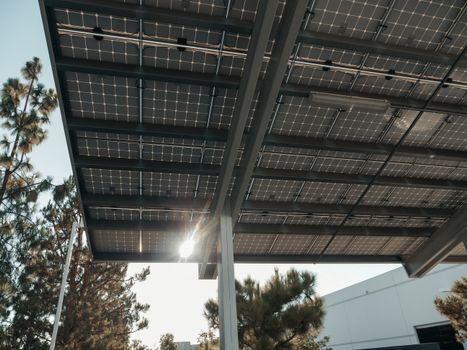
- Carports or canopies: Where light can pass through and reflect off the ground below.
- Flat roofs with reflective coatings.
- Areas with snow: Snow is a fantastic reflector, which can really boost the back-side performance.
If you're thinking about solar for your home or business and have a suitable location, bifacial panels are a technology worth looking into. For planning your system, a tool like our Unit Converter can be handy for various calculations.
Frequently Asked Questions
📚 Read Next
Are bifacial solar panels much more expensive?
They can be a bit more expensive upfront than traditional panels. However, because they produce more energy, they can pay for the extra cost over time, especially in a good location with lots of reflected light.
Can I put bifacial panels on my sloped roof at home?
You can, but you might not get the full benefit. On a sloped roof mounted directly to the surface, the back side is blocked and can't catch any reflected light. They work best when raised up, allowing light to reach the back.
Do I need special equipment to install them?
The installation process is similar, but the mounting structure is different. They need to be elevated off the ground or roof to allow space for light to hit the back side. Your installer will use the appropriate racks or frames.
Where can I learn more about solar panel efficiency?
For a deeper understanding of the numbers behind energy and efficiency, you might find general calculation tools useful. You can explore various online tools for different technical and planning needs.