Hey there! If you've ever wondered how the battery in your phone or laptop works, you're in the right place. Let's break it down together, step by step. Think of a lithium battery like a tiny, rechargeable power bank that uses the movement of tiny particles to store and release energy.
The Basic Idea: A Game of Catch with Ions
At its heart, a lithium battery has three main parts:
Handy Tools For You
- The Anode (Negative Side): Often made of graphite. This is where the lithium ions start when the battery is fully charged.
- The Cathode (Positive Side): Made of a lithium metal oxide. This is where the ions want to go.
- The Electrolyte: A special liquid or gel that sits between the anode and cathode. It allows lithium ions to swim through it, but blocks electrons.
When you use your device (like turning on your phone), you close a circuit. This prompts the lithium ions to move from the anode, through the electrolyte, and over to the cathode. As they move, they release energy that powers your device. That's discharging.
When you plug in your charger, you reverse the process. You push the ions back from the cathode to the anode, storing energy for later use. That's charging.
Why Are They So Popular?
Lithium-ion batteries aren't just everywhere by accident. They have some great features:
- High Energy Density: They can store a lot of energy in a small, light package. That's why your laptop isn't the size of a suitcase.
- Rechargeable: You can charge and discharge them hundreds of times before they start to wear out.
- Low Self-Discharge: They hold their charge for a long time when not in use, unlike some older battery types.
- No "Memory Effect": You don't have to fully drain them before charging. You can top them up anytime without harming their capacity.
This combination makes them perfect for things we use every day: smartphones, laptops, wireless headphones, and electric cars. You can learn more about the chemistry and engineering behind them from reliable sources like the U.S. Department of Energy.
A Quick Look at the Charging Cycle
Here's a very simple representation of what happens in code-like steps:
BATTERY_STATE = "CHARGED"  # Lithium ions are at the Anode.

function useBattery() {
    if (BATTERY_STATE == "CHARGED") {
        // Ions move from Anode to Cathode through the electrolyte.
        releaseEnergy(); // This powers your device.
        BATTERY_STATE = "DISCHARGED";
    }
}

function chargeBattery() {
    if (BATTERY_STATE == "DISCHARGED") {
        // External power pushes ions back to the Anode.
        storeEnergy();
        BATTERY_STATE = "CHARGED";
    }
}
Things to Keep in Mind
While they're great, lithium batteries need a bit of care:
- Heat is the enemy: Avoid leaving your devices in hot cars. High temperatures can speed up battery aging.
- Use the right charger: A charger that's not designed for your device can damage the battery's internal protection circuits.
- They don't last forever: Over time, after many charge cycles, the battery's capacity to hold a full charge will slowly decrease. This is normal.
Frequently Asked Questions
📚 Read Next
Are lithium batteries and lithium-ion batteries the same thing?
Often, yes, when people talk about everyday electronics. Technically, "lithium battery" can refer to non-rechargeable single-use batteries (like coin cells). "Lithium-ion battery" specifically means the rechargeable kind we find in phones and laptops. In daily talk, they're used interchangeably.
Why shouldn't I let my phone battery go to 0%?
While modern batteries are smart, frequently draining them completely to 0% can put extra stress on the battery chemistry. It's better for its long-term health to keep it between roughly 20% and 80% when possible.
What does "energy density" mean?
It simply means how much energy a battery can store for its size or weight. A high energy density means you get more power from a smaller, lighter battery. This is why electric cars can have a long range without being impossibly heavy.
Can a lithium battery explode?
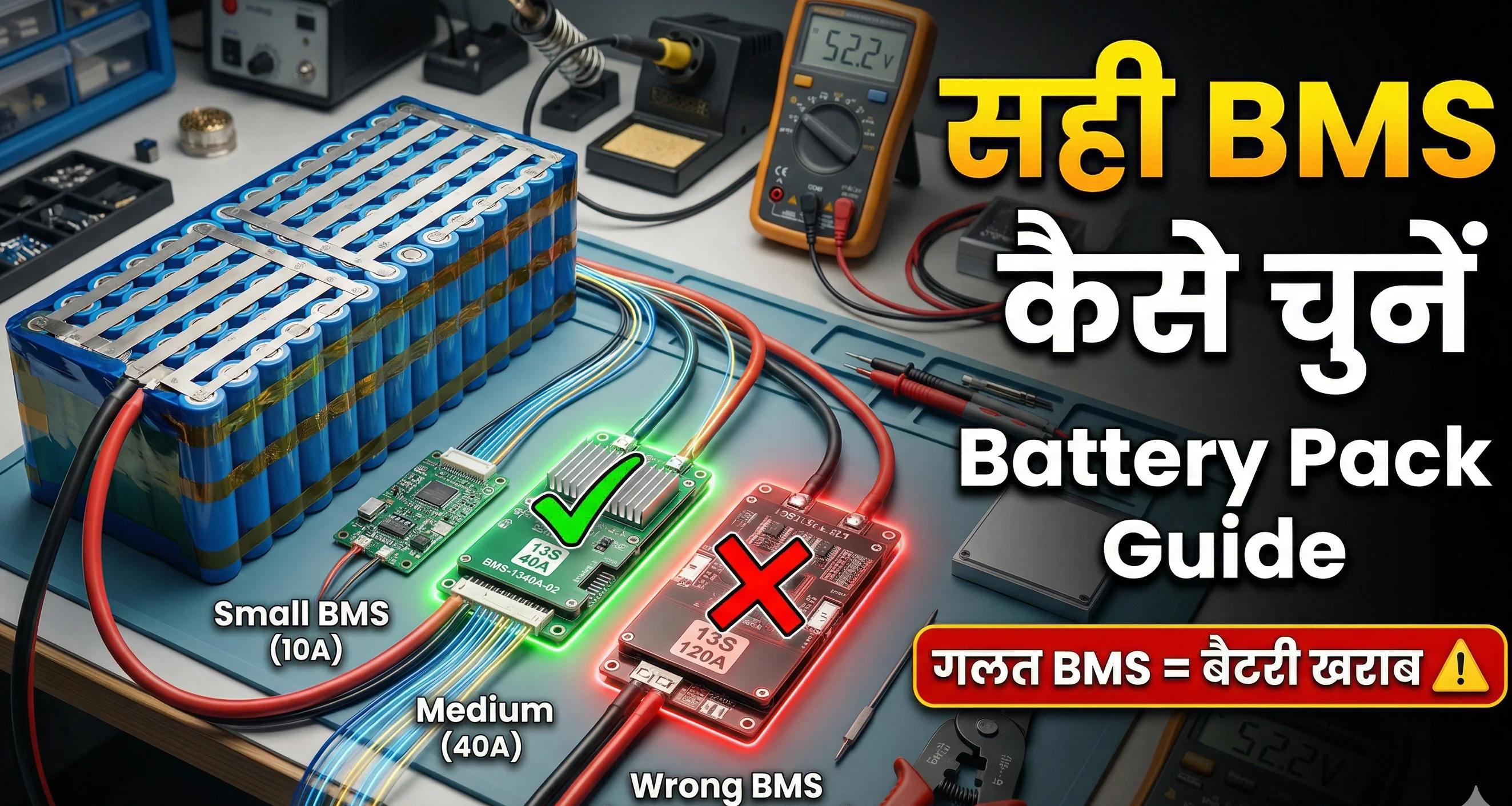
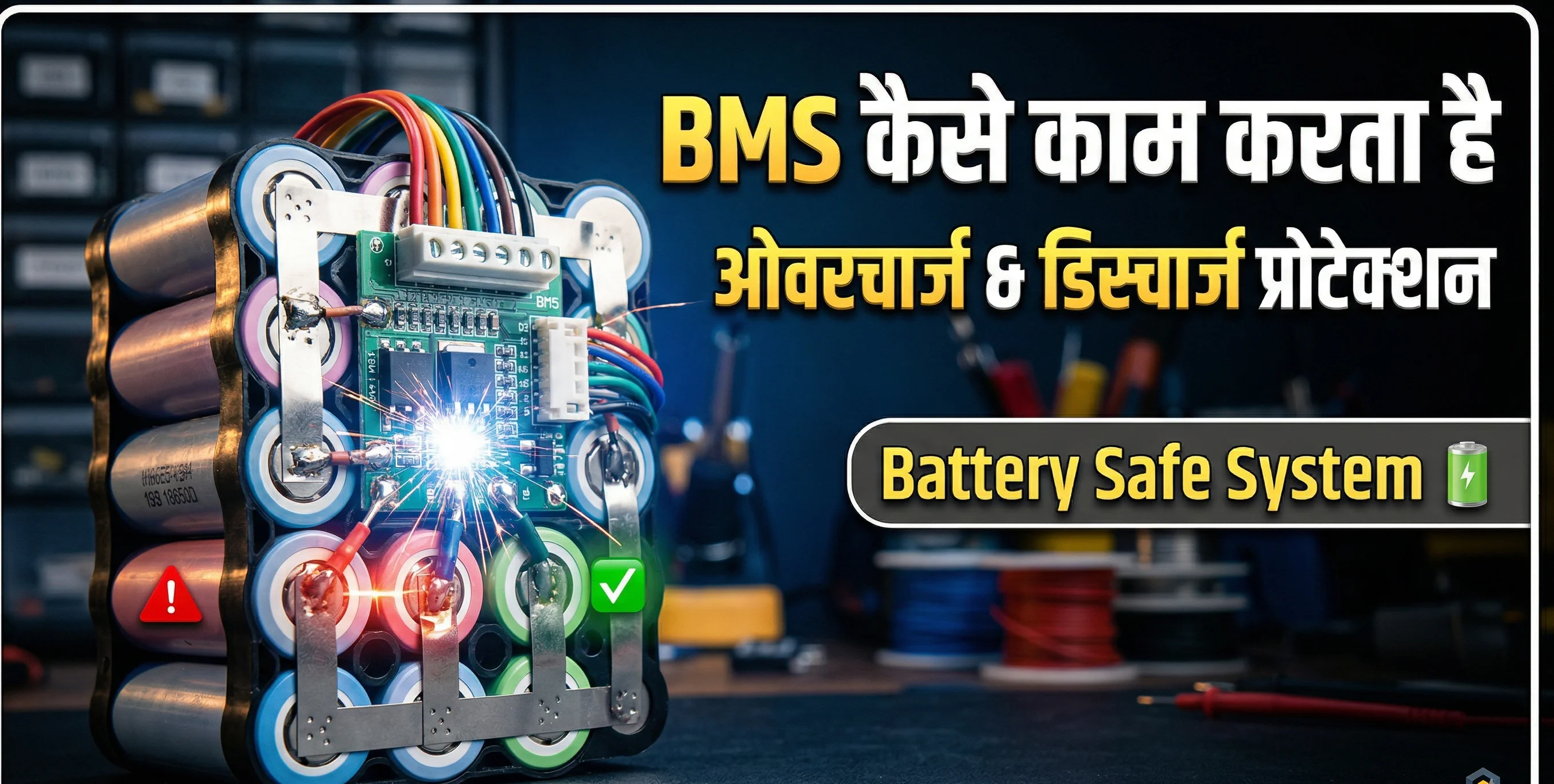
It's very rare with proper use, but it can happen if the battery is physically damaged, poorly made, or subjected to extreme conditions (like a severe short circuit or very high heat). The battery management system (BMS) inside your devices is there to prevent these dangerous situations.
I hope this makes the magic inside your gadgets a little less mysterious! They're fascinating pieces of engineering that we get to carry in our pockets every day.