Software
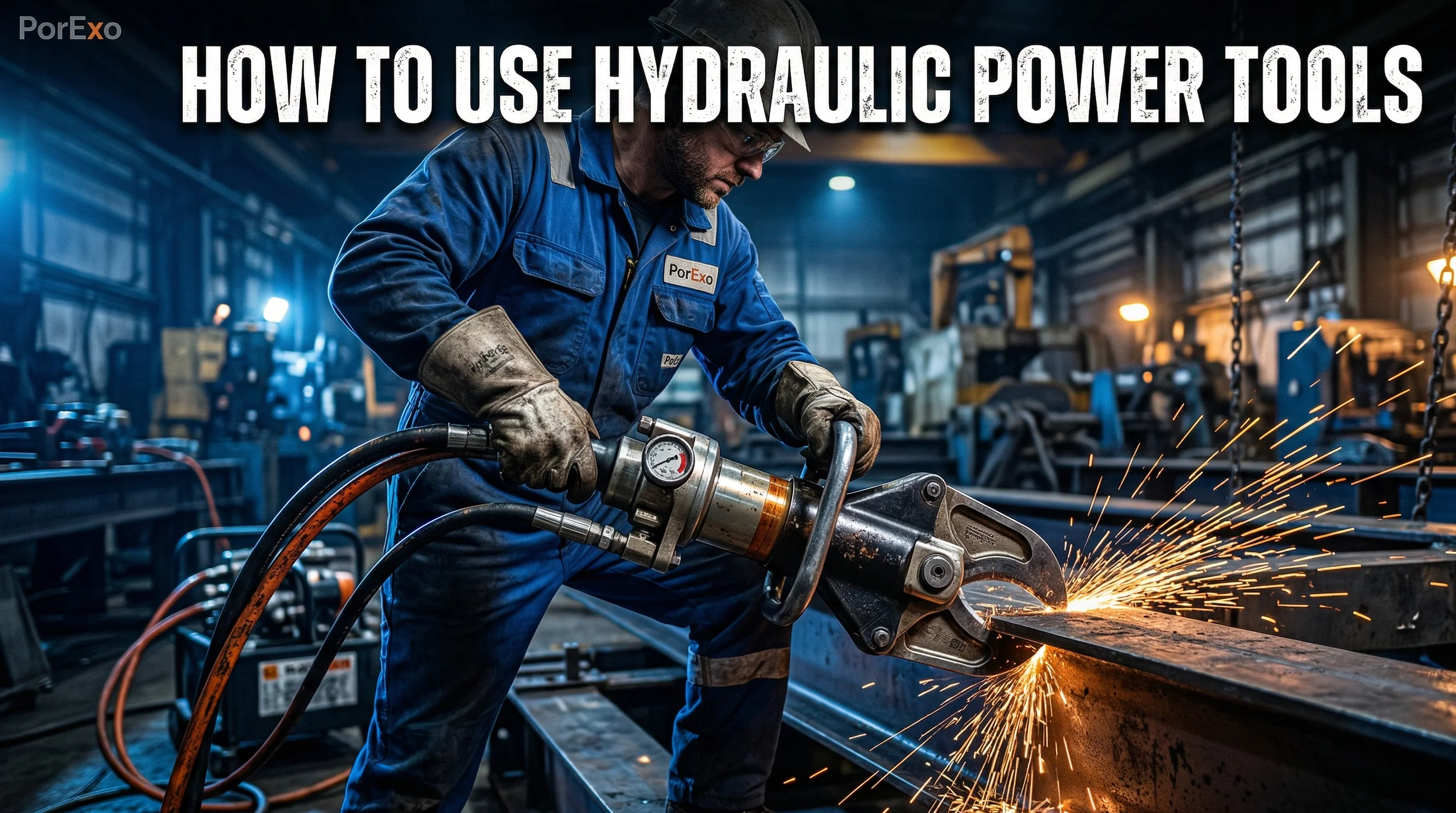
Hydraulic power tools are powerful and useful for many jobs, from construction to car repair. If you're new to using them, here are some clear, step-by-step tips to help you get started safely and effectively.
Handy Tools For You
Getting Started with Hydraulic Tools
Before you turn anything on, the most important step is to understand what you're working with. Hydraulic tools use fluid pressure to create a lot of force. Think of it like using a small lever to lift something very heavy—the hydraulic system multiplies your effort.
Key Steps for Safe and Effective Use
- Learn the Tool First: Read the manual that comes with your tool. Know what each button and lever does, and understand the safety warnings.
- Check for Leaks: Before every use, look at the hoses and connections. A leak means the tool won't work properly and can be dangerous. Look for wet spots or drips of hydraulic fluid.
- Use the Right Attachments: Just like you wouldn't use a hammer to turn a screw, make sure you're using the correct jaw, cutter, or ram head for your specific task.
- Clean Up After Use: Wipe down the tool to remove dirt and grime. Store it properly to keep it in good shape for next time.
A Simple Maintenance Checklist
Keeping your tools working well is easy if you follow a simple routine. Here’s a basic checklist you can follow:
1. Visual Inspection: Check hoses, fittings, and the tool body for damage.
2. Fluid Level: Ensure the hydraulic reservoir has enough fluid.
3. Connection Check: Make sure all couplings are tight and secure.
4. Function Test: Operate the tool briefly without a load to check for smooth action.
5. Clean & Store: Wipe clean and store in a dry place.
Where to Find More Information
For official safety standards and detailed specifications, it's always best to check the manufacturer's website. You can also find helpful community discussions and video tutorials on sites like YouTube or forums dedicated to tools and DIY projects.
Remember, taking a few minutes to prepare and maintain your tools can prevent accidents and save you time and money in the long run. Happy building!