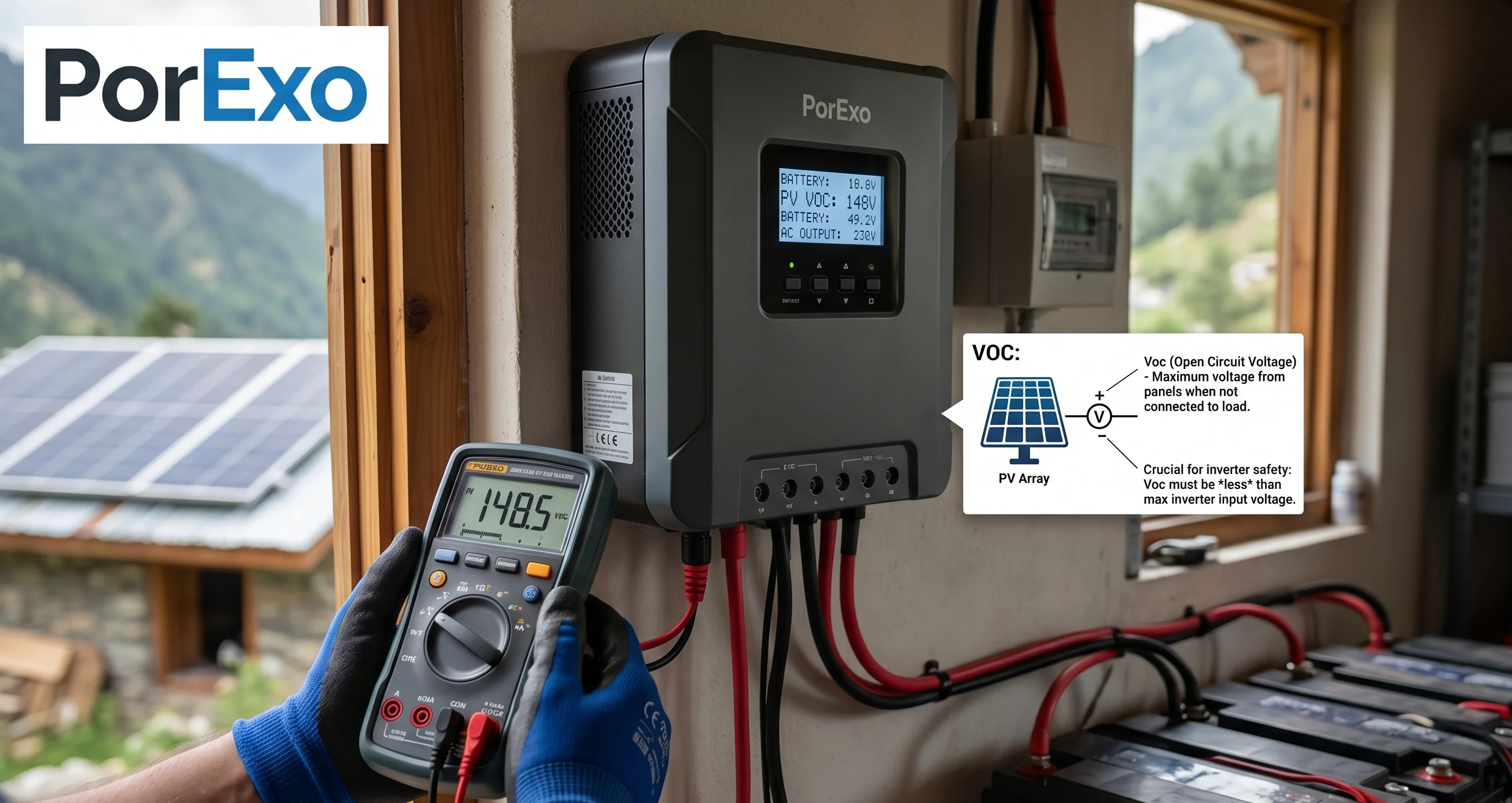
Let's talk about hydrogen solar systems. Think of them as a clever two-step process for getting power from the sun, even when it's dark.
First, a regular solar panel does its job: it captures sunlight and turns it into electricity. But instead of sending all that power straight to your home, some of it can be used for an extra step. This electricity is fed into a device called an electrolyzer, which splits water (H₂O) into hydrogen (H₂) and oxygen (O₂).
Handy Tools For You
Here's the clever part: that hydrogen gas can be stored in a tank. Later, when the sun isn't shining, you can use a fuel cell. The fuel cell combines the stored hydrogen with oxygen from the air to create electricity and water vapor. So, you're using the sun's energy to make a clean fuel (hydrogen) that you can save for a rainy day—literally.
How It Works: A Simple Breakdown
- Step 1: Make Electricity. Solar panels convert sunlight into electrical power.
- Step 2: Make Hydrogen. Use some of that solar power to split water molecules, producing hydrogen gas.
- Step 3: Store It. Compress the hydrogen and store it safely in a tank. This is your energy "battery."
- Step 4: Use It Later. When you need power, the hydrogen is fed into a fuel cell to generate clean electricity and water.
Why It's Interesting
The main advantage is long-term storage. While lithium batteries are great for storing energy for hours or a couple of days, hydrogen can be stored for much longer—weeks or even months—without losing its potential. This makes it a promising option for balancing energy grids over seasons or for powering things like remote facilities, boats, or even future clean transportation.
It's a clean cycle. The only inputs are sunlight and water, and the only byproduct is clean water vapor. It helps reduce reliance on fossil fuels and cuts down carbon emissions.
# A very simplified logic flow of a hydrogen solar system

sunlight_is_available = True
energy_demand_is_high = False
hydrogen_tank_level = 50  # percent

if sunlight_is_available:
    generate_solar_power()
    if energy_demand_is_high:
        send_power_to_home()
    else:
        # Use excess solar power to make hydrogen
        run_electrolyzer()
        hydrogen_tank_level += 10

if not sunlight_is_available and energy_demand_is_high:
    if hydrogen_tank_level > 20:
        run_fuel_cell()
        hydrogen_tank_level -= 15
        send_power_to_home()
    else:
        use_grid_power()
Things to Keep in Mind
It's not all simple yet. The technology, especially the electrolyzers and fuel cells, can be expensive. The overall process of converting sunlight to hydrogen and back to electricity isn't as efficient as using solar power directly. However, for situations where you absolutely need to store large amounts of energy for a long time, the trade-off can be worth it. Research is ongoing to make the components cheaper and more efficient.
If you're working with energy data or calculations for a project like this, you might find tools like our Unit Converter or CSV Editor helpful for managing your numbers.
Frequently Asked Questions
📚 Read Next


Is a hydrogen solar system the same as having solar panels with batteries?
Not exactly. Both store energy, but they use different methods. Standard home batteries (like lithium-ion) store electricity directly. A hydrogen system stores energy as hydrogen gas, which is like creating a fuel. Hydrogen is better for very long-term storage (seasonal), while batteries are typically more efficient for daily charge/discharge cycles.
Can I install one at my home right now?
For most homeowners, it's still quite rare and a significant investment compared to standard solar-plus-battery systems. The technology is more common in larger, industrial, or research settings. It's an exciting area for the future, though!
Where does the water come from? Does it use a lot?
The process does require pure water. While the system itself doesn't "consume" the water molecules (it splits them and later recombines them), you need a source of clean water to start with. In a closed-loop system, the water produced by the fuel cell could theoretically be recycled back to the electrolyzer.
Is hydrogen dangerous to store?
Hydrogen is flammable, like natural gas or gasoline. However, with proper engineering—strong tanks, sensors, and ventilation—it can be stored and used safely. Modern systems are designed with multiple safety features.
For more information on clean energy technologies and innovations, you can read about recent advances on sites like the U.S. Department of Energy's page on hydrogen production.