Hey there! If you're curious about what's new with the batteries that power our phones, cars, and so much more, you're in the right place. Let's talk about what's happening with lithium battery tech in 2026. Think of it like a friendly chat about the cool upgrades happening behind the scenes.
Lithium batteries aren't just getting a little better; they're changing in some pretty exciting ways. These changes mean our gadgets can last longer, electric cars can go farther, and storing energy from the sun or wind becomes much easier. It's all about making energy storage safer, cheaper, and more powerful.
Handy Tools For You
What's New and Interesting
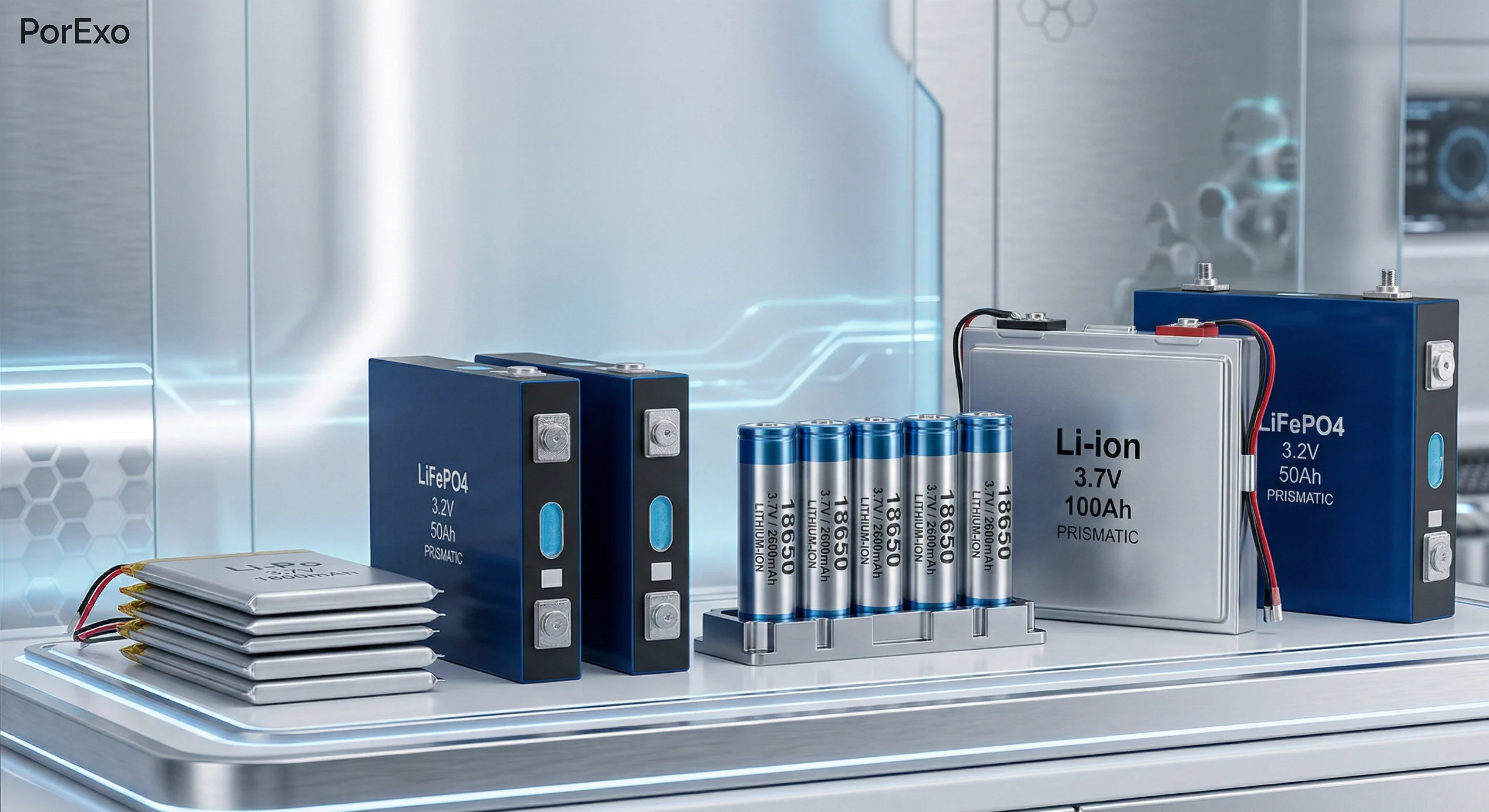
- Solid-State Batteries: This is a big one. Most batteries today have a liquid or gel inside. Solid-state batteries use a solid material. This makes them safer (less risk of fire), potentially last much longer, and charge faster. Companies like Toyota and QuantumScape are working hard to bring these to market.
- New Battery Recipes (Chemistries): Researchers are experimenting with different materials. For example, using silicon with graphite in the negative part of the battery can store more energy. There's also work on lithium-sulfur and lithium-air batteries, which could be much lighter.
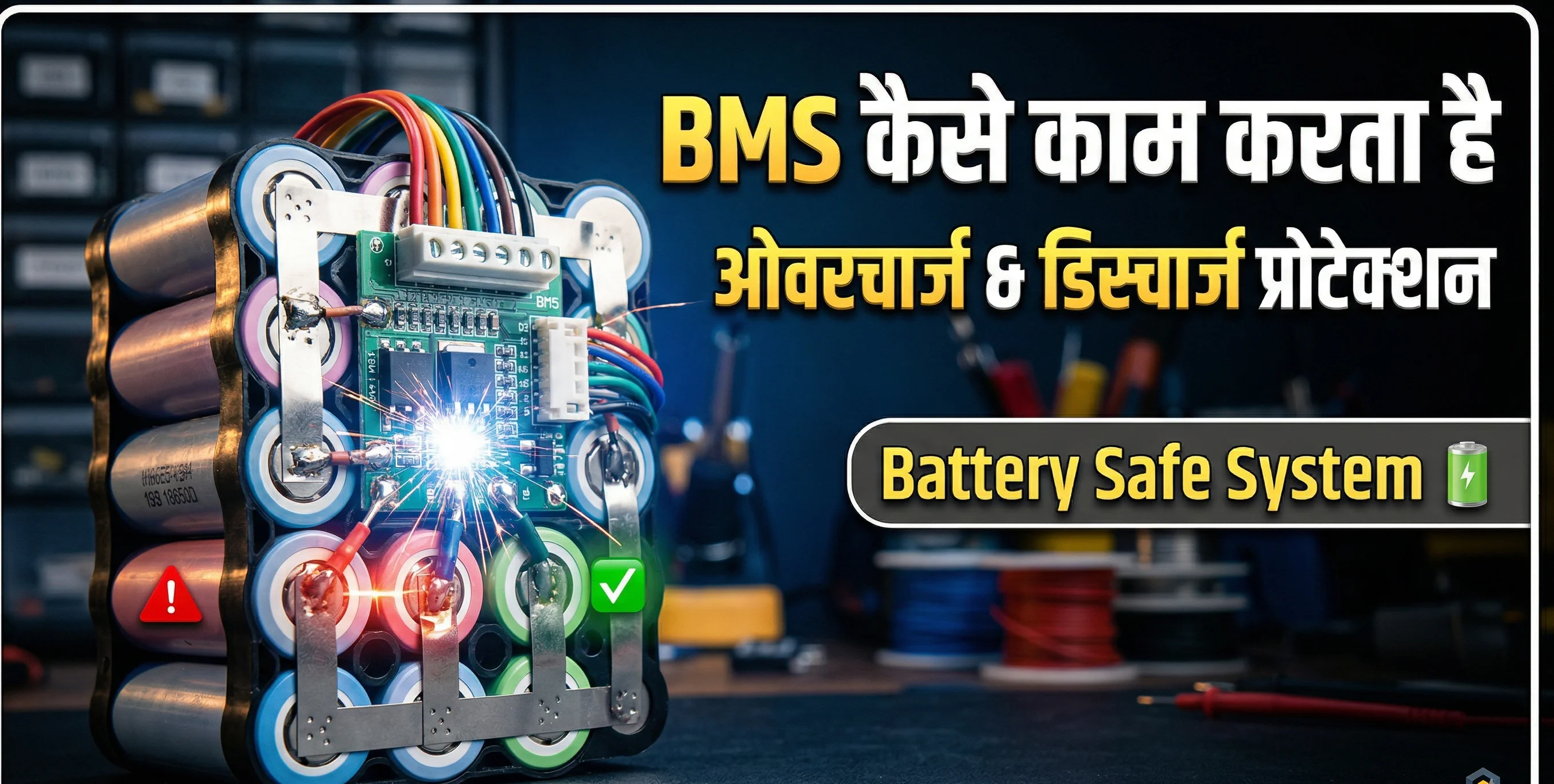
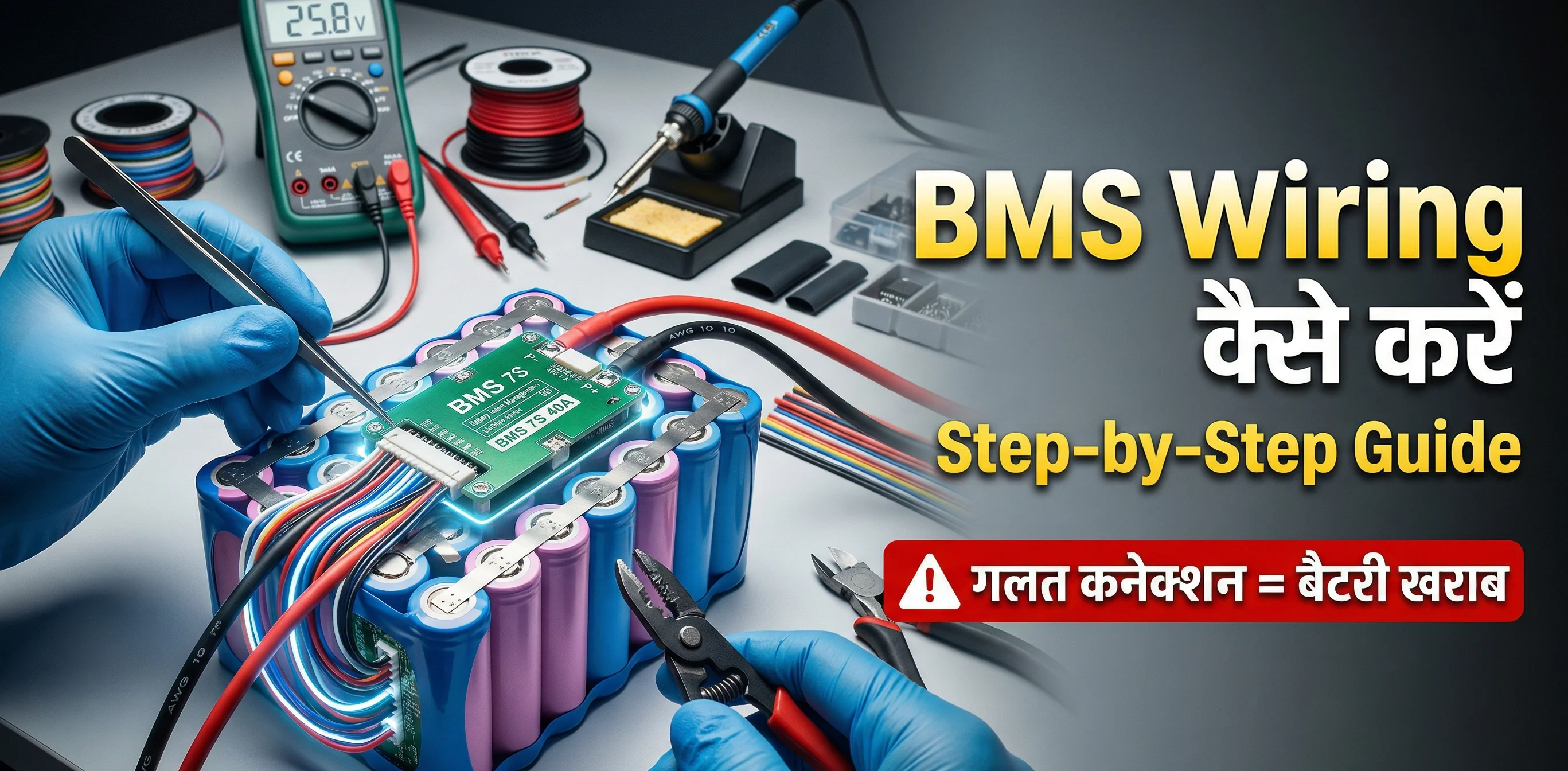
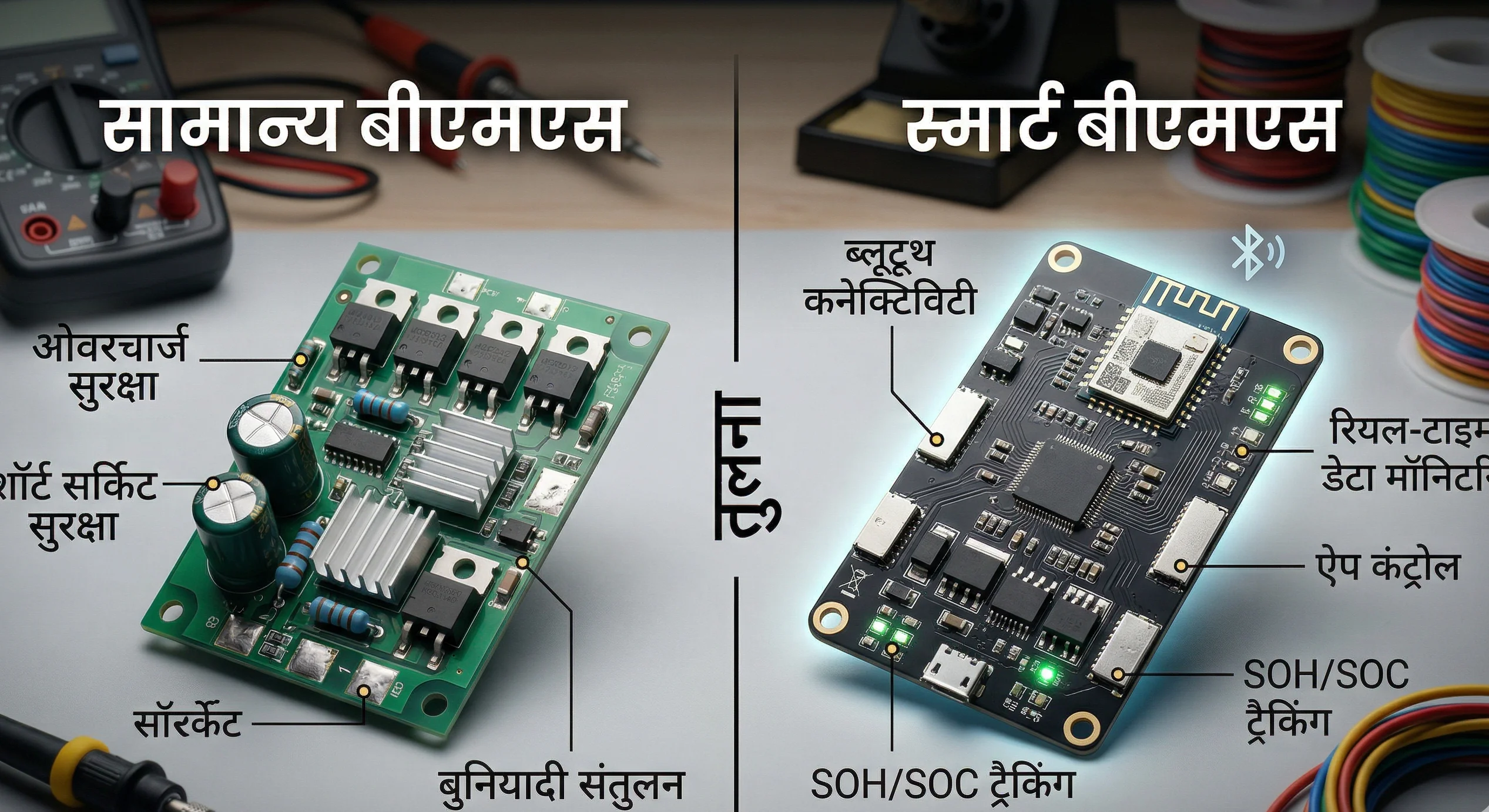
- Smarter, Not Just Harder: Batteries are getting "smarter" with better software and management systems. This tech monitors the battery's health, balances the charge, and predicts when it might need service, helping it live a longer life.
- Focus on Recycling: As we use more batteries, figuring out how to recycle them is crucial. New methods are being developed to efficiently recover valuable materials like lithium, cobalt, and nickel so they can be used again. This is better for the planet and our supply chains.
Why This Matters to You
These aren't just lab experiments. They affect real things:
- Electric Vehicles (EVs): Better batteries mean EVs with longer range, shorter charging times, and lower costs.
- Your Phone and Laptop: Future devices could go days without a charge.
- Renewable Energy: To rely on solar and wind, we need big batteries to store power for when the sun isn't shining or the wind isn't blowing. These innovations make that more practical.
Staying informed helps you understand the tech that's quietly shaping our future. It's a fast-moving field, and 2026 is shaping up to be a year where some of these lab ideas start becoming things we can actually buy.
Frequently Asked Questions
📚 Read Next
What is a solid-state battery?
Imagine a regular lithium-ion battery has a liquid or gel electrolyte (the stuff that lets ions move between the positive and negative sides). A solid-state battery replaces that liquid with a solid material, like a special ceramic or polymer. This makes it safer and can allow for more energy in the same space.
Are these new batteries available to buy now?
Some advancements, like better lithium-ion designs, are in current products. The really big leaps, like commercial solid-state batteries for cars, are still being tested and refined by companies. You might start seeing them in high-end products in the next few years.
Why is battery recycling so important?
Batteries contain valuable and sometimes scarce metals. Mining these has environmental impacts. Recycling lets us reuse these materials, reducing waste, lessening the need for new mining, and making the whole battery ecosystem more sustainable. The U.S. EPA has a good resource on the importance of battery recycling.
Will my phone battery ever last a week?
While a week might be a stretch soon, the trends are definitely pointing toward much longer lifespans per charge. Improvements in energy density (more power in a smaller package) and efficiency in how devices use that power will both help you charge your phone less often.