If you're looking into solar panels for your home or business, you've probably heard about monocrystalline panels. They're the ones that look sleek and black. Let's break down what they are and why people choose them, in simple terms.
Monocrystalline solar panels are made from a single, pure crystal of silicon. Think of it like growing one large, perfect ice crystal instead of a bunch of smaller, mismatched ones. This process makes them highly efficient, which is their biggest selling point.
Handy Tools For You
Why Choose Monocrystalline Panels?
Here are the main reasons these panels are a popular pick:
- Great at Their Job: They are very good at turning sunlight into electricity. This means you can generate more power from a smaller roof space compared to other panel types.
- Built to Last: They are known for their durability and typically come with long warranties, often 25 years or more. They're a solid, long-term investment.
- Space Savers: Because they're so efficient, you need fewer panels to meet your energy needs. This is perfect if you have limited roof area.
- Cost-Effective Over Time: While the initial price might be higher, their efficiency and long life mean you'll save more on your electricity bills over the decades, making them worth it.
How Do They Compare?
It helps to see how they stack up against the other common type: polycrystalline panels (which look blue and have a speckled look).
- Efficiency: Monocrystalline wins here. They typically convert 20-22% of sunlight into energy, while polycrystalline panels are around 15-17% efficient.
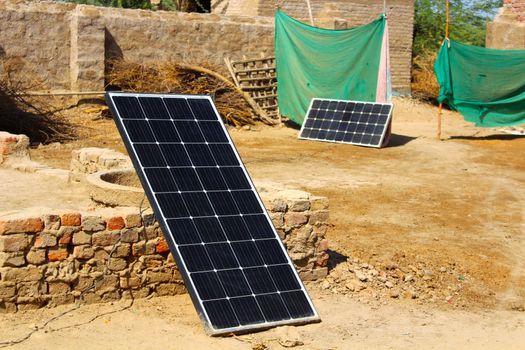
- Appearance: The uniform black color of monocrystalline panels is often preferred for residential roofs as it looks more seamless.
- Temperature Performance: Monocrystalline panels tend to handle heat slightly better, meaning their performance drops less on very hot days.
For a detailed comparison of different technologies, you can check out this guide on going solar from the U.S. Department of Energy.
Are They Right For You?
Consider monocrystalline panels if:
- You have a smaller roof and want to maximize power output.
- You care about the aesthetics and want a sleek, uniform look.
- You're planning for the long haul and want a system with a proven track record of reliability.
If you're working on other home projects, you might find tools like our EMI Calculator useful for budgeting, or our Unit Converter for any measurements.
Frequently Asked Questions
📚 Read Next
Are monocrystalline solar panels the best?
"Best" depends on your needs. They are the most efficient and space-saving option available for homes, which makes them a top choice. However, if you have a lot of space and a tighter budget, polycrystalline panels might be a better fit.
Why are they more expensive?
The manufacturing process to create the single silicon crystal is more complex and results in more wasted silicon (which is cut off the edges). This higher production cost is reflected in the price.
Do they work on cloudy days?
Yes, all solar panels work with daylight, not just direct sunlight. However, their power output will be lower on cloudy or rainy days. Monocrystalline panels will still generally perform better than polycrystalline in low-light conditions.
How long do they really last?
Most manufacturers guarantee that the panels will produce at least 80-90% of their original power output after 25 years. The panels themselves can physically last much longer, often 30-40 years, though their efficiency slowly decreases over time.