Thinking about getting your home completely off the main power grid with solar energy? Setting up a solar inverter system is a solid step towards energy independence. Let's walk through the main things you need to consider, in simple terms.
How to Set Up Your Off-Grid Solar System
The process isn't as complicated as it might seem. It mostly involves planning, choosing the right parts, and putting them together correctly. Here's a straightforward breakdown:
Handy Tools For You
- Figure Out Your Power Needs: Start by listing all the appliances you'll run (lights, fridge, fan, etc.) and for how many hours each day. This tells you how much electricity your system needs to produce and store.
- Pick the Right Solar Panels and Batteries: Based on your energy needs, you'll choose solar panels to generate enough power during the day and batteries to store that power for use at night or on cloudy days.
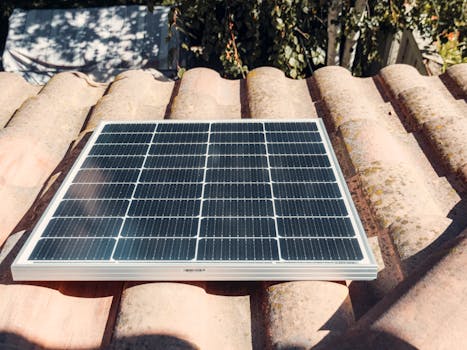
- Install the Solar Panels: Mount the panels on your roof or in your yard where they get the most sunlight. Connect them to a charge controller, which manages the power going to the batteries.
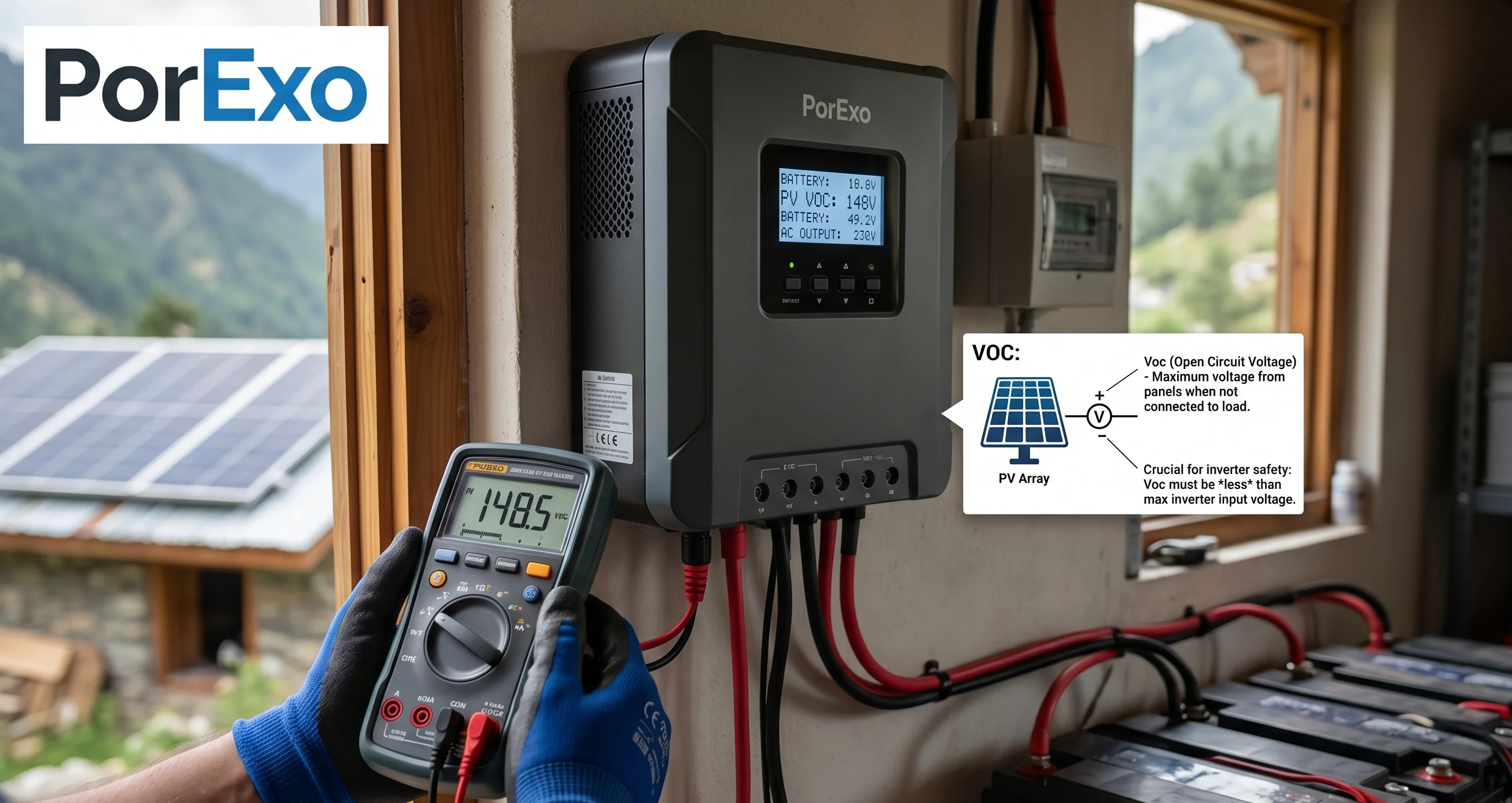
- Connect the Batteries to the Inverter: The batteries (usually a bank of deep-cycle batteries) store the DC (Direct Current) power. The solar inverter's job is to convert this DC power into the AC (Alternating Current) power that your home appliances use.
- Power Up and Enjoy: Once everything is connected and tested, you can start using clean, self-generated electricity, free from power cuts!
Understanding the Main Components
It helps to know what each part does. Think of it like a team where everyone has a specific role.
Sunlight → Solar Panels → Charge Controller → Battery Bank → Solar Inverter → Home AppliancesSolar Panels: Capture sunlight and create DC electricity.
Charge Controller: Protects your batteries from overcharging.
Battery Bank: Your energy storage tank for when the sun isn't shining.
Solar Inverter: The brain of the operation. It converts stored DC power to usable AC power and manages the entire system. For a reliable setup, using a tool like our Unit Converter can help with the electrical calculations.
Things to Keep in Mind
Going off-grid is exciting, but it requires good planning. Make sure your battery storage is large enough to cover your needs during periods of little sunlight. Also, regular maintenance of the panels and checking battery water levels (for some types) is important for long life.
For more help with planning and calculations, you might find other tools on our site useful, like the general collection of All Tools or the specific Compound Interest Calculator if you're working out the long-term financial benefits.
Frequently Asked Questions
📚 Read Next
Can I run my air conditioner on an off-grid solar system?
Yes, you can, but air conditioners use a lot of power. You will need a significantly larger solar panel array and a much bigger battery bank to handle the load, which increases the cost. It's crucial to calculate your AC's wattage and daily usage accurately first.
What happens on rainy days when there's no sun?
This is what your battery bank is for. A well-designed system will have enough battery capacity to power your essential appliances for a day or two (or more, depending on your design) without any sunlight. If the batteries run low, you would need a backup power source like a generator.
Is an off-grid system more expensive than a grid-tied one?
Initially, yes. Off-grid systems are typically more expensive because you have to pay for all the components—panels, a larger inverter, and a complete battery bank—instead of just panels. Grid-tied systems use the main grid as their "battery," which is cheaper upfront.