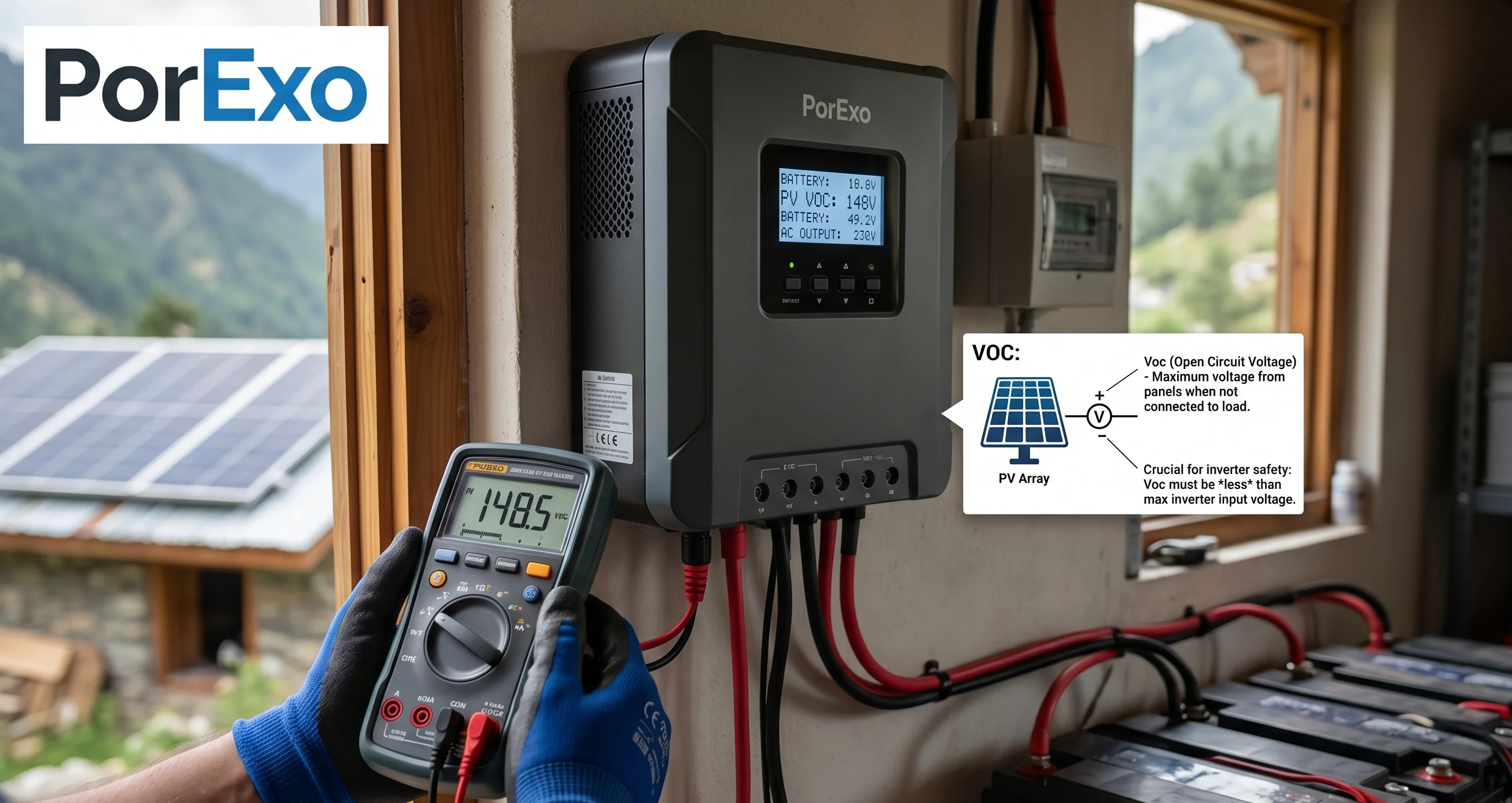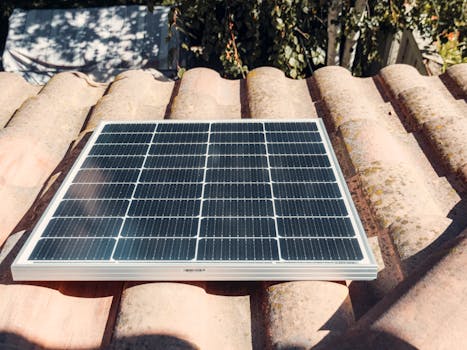
If you're thinking about getting a solar system for your home or business, the inverter is a key part you'll need to choose. An on-grid solar inverter is the device that converts the DC electricity from your solar panels into the AC electricity that powers your lights and appliances. It also syncs with the main power grid, allowing you to send extra power back and potentially earn credits.
Let's talk about what affects the price and how you can make a smart choice without getting confused by technical jargon.
Handy Tools For You
What Makes the Price Go Up or Down?
The price of an on-grid solar inverter isn't fixed. It depends on a few important things:
- Capacity (kW Rating): This is the biggest factor. Just like a bigger water tank costs more, a higher capacity inverter costs more. For a typical home, you might look at 1kW, 3kW, or 5kW systems.
- Brand: Well-known brands like Luminous, Microtek, Havells, or Su-Kam often have higher prices because of their reputation and warranty. Newer or local brands might offer a lower price.
- Features: Some inverters come with smart features like Wi-Fi monitoring, which lets you check your system's performance from your phone. These add to the cost.
- Warranty: A longer warranty period (like 5+ years) usually means a slightly higher initial price but can save you money on repairs later.
Getting a Rough Idea of the Cost
Here's a simple table to give you a starting point. Remember, these are approximate market prices and can vary based on your location and dealer.
| Inverter Capacity | Approximate Price Range (₹) | Best For |
|---|---|---|
| 1 kW | 20,000 - 35,000 | Small homes with basic needs |
| 3 kW | 45,000 - 70,000 | Medium-sized homes (2-3 BHK) |
| 5 kW | 70,000 - 1,10,000 | Larger homes or small shops |
| 10 kW | 1,30,000 - 2,00,000+ | Commercial establishments |
Note: This is just for the inverter. The total system cost includes solar panels, mounting structures, wiring, and installation.
Tips to Get the Best Value
Don't just look for the cheapest option. Think about long-term value.
- Compare Quotes: Get detailed quotes from at least 3-4 different suppliers. Make sure they break down the cost of the inverter, panels, and installation separately. You can use tools like a Unit Converter to help understand different specifications if needed.
- Ask About Subsidies: Central and state governments often have subsidy schemes to promote solar energy. Your installer should be able to guide you through the process to reduce your upfront cost.
- Check Reviews: Look for user reviews online about the specific inverter model and the brand's after-sales service. A reliable service network is crucial.
- Consider Total Cost: Factor in the cost of installation and any future maintenance. A slightly more expensive inverter with free annual check-ups might be a better deal.
- Plan for the Future: If you think you might add more solar panels later, get an inverter with a slightly higher capacity than you need right now. It will be more cost-effective than replacing it later.
Simple Checklist Before You Buy
- ✅ Have you calculated your daily electricity needs correctly?
- ✅ Did you get and compare multiple quotes?
- ✅ Is the brand's service center available in your city?
- ✅ Does the quote include all components and installation?
- ✅ Have you clarified the warranty terms for the inverter?
Choosing the right solar inverter is an important step. Take your time, do your research, and don't hesitate to ask the installer plenty of questions. A good system will serve you well for years to come.
For other useful calculations related to home planning, like figuring out loan payments, you might find tools like an EMI Calculator helpful.
Frequently Asked Questions
📚 Read Next
What is the main job of an on-grid solar inverter?
Its main job is to convert the direct current (DC) produced by your solar panels into alternating current (AC) that your home can use. It also manages the flow of electricity between your solar system, your home, and the main power grid.
Can I run my home on just the solar inverter during a power cut?
No, a standard on-grid inverter will shut down during a power cut for safety reasons (to prevent sending electricity back to the grid and harming utility workers). To have backup power, you need a hybrid inverter or a separate battery system.
How long does a solar inverter typically last?
A good quality solar inverter usually lasts between 10 to 15 years. Many come with a warranty of 5 to 10 years. Its lifespan can be affected by factors like heat, voltage fluctuations, and overall usage.
Is a more expensive inverter always better?
Not always. A more expensive inverter might have better efficiency, more features, or a longer warranty. You should check if those extra benefits are useful for you. Sometimes, a mid-range inverter from a reliable brand offers the best balance of price and performance.