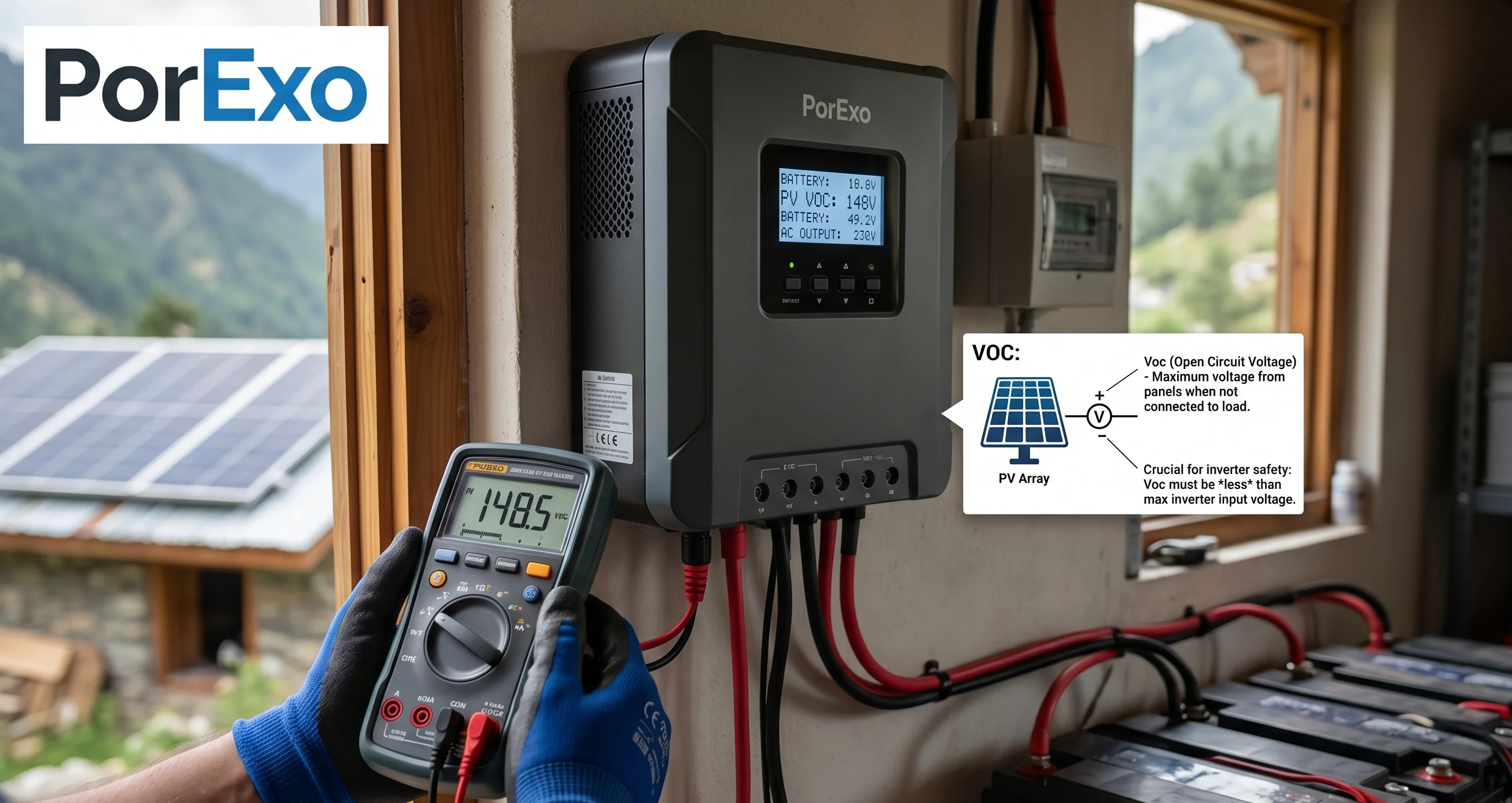
If you're setting up a solar power system, you'll hear about two main types of inverters: on-grid and off-grid. They do very different jobs, so picking the right one is important. Let's look at what each one does in simple terms.
What is an On-Grid Inverter?
An on-grid inverter, also called a grid-tied inverter, is designed to work with your local electricity grid. Think of it as a team player between your solar panels and the power company.
Handy Tools For You
- How it works: It converts the DC electricity from your solar panels into AC electricity that your home can use. Any extra power you don't use immediately gets sent back to the main power grid.
- The big benefit: This can earn you credits on your electricity bill through a process called net metering. It's a great way to save money.
- Key point: It does not store energy. If the main grid power goes out, your solar system will also shut off for safety reasons (so it doesn't send power back and endanger utility workers).
What is an Off-Grid Inverter?
An off-grid inverter is for systems that are completely independent. It doesn't connect to the public electricity grid at all.
- How it works: It takes DC power from your solar panels, converts it to AC for your home, and sends any extra power to a bank of batteries for storage.
- The big benefit: You have power even when there's no grid. This is perfect for remote cabins, farms, or as a backup power source during outages.
- Key point: It requires batteries, which add to the initial cost and need maintenance. Your system's size is limited by your battery storage.
Side-by-Side Comparison
Here’s a quick look at how they stack up against each other:
| Feature | On-Grid Inverter | Off-Grid Inverter |
|---|---|---|
| Grid Connection | Yes, it's required. | No, it works independently. |
| Battery Storage | Not needed. | Required. |
| Power During Grid Failure | No. System shuts down. | Yes, from batteries. |
| Best For | Reducing electricity bills in areas with a reliable grid. | Remote locations or ensuring backup power. |
| Cost | Generally lower (no battery cost). | Higher due to battery investment. |
Which One Should You Choose?
Ask yourself these questions:
- Is your main goal to lower your electricity bill? If you have reliable grid power, an on-grid system is likely the most cost-effective choice.
- Do you experience frequent power cuts? You might want to look into a hybrid system (a mix of both) or a dedicated off-grid setup with a good battery bank.
- Are you in a remote area with no grid access? An off-grid inverter with batteries is your only practical option for solar power.
For more on planning energy needs, you can check out our Unit Converter for related calculations.
Frequently Asked Questions
📚 Read Next
Can I get backup power with an on-grid inverter?
Not with a standard on-grid inverter. It shuts off when the grid fails. For backup, you would need a hybrid inverter that can work with batteries, or a separate backup system.
Is an off-grid system more expensive?
Yes, initially it is. The cost of the batteries and their maintenance adds significantly to the price. However, it provides total energy independence, which can be priceless in remote areas.
What's a hybrid inverter?
A hybrid inverter combines features of both. It can connect to the grid, send power back, and store energy in batteries for use during a power cut. It's a versatile but more expensive option.
Do I need special permission for an on-grid system?
Yes, typically you do. You need approval from your local electricity distribution company to connect your system to the grid and to set up a net metering agreement.
For further reading on energy efficiency and tools to help with your projects, visit resources like the U.S. Department of Energy's guide on grid-connected systems.