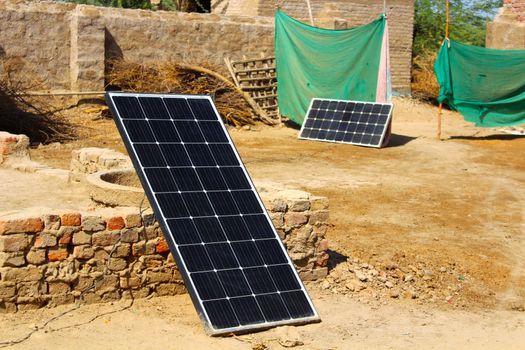
Let's talk about polycrystalline solar panels. You've probably seen them—they have a blue, speckled look, almost like a mosaic. They're a very common type of solar panel, and they work by using many small silicon crystals packed together to capture sunlight and turn it into electricity for your home or business.
Think of it like this: a monocrystalline panel is made from one single, pure crystal (like a large, perfect ice cube). A polycrystalline panel is made by melting together many smaller silicon fragments and letting them solidify (like a tray of smaller ice cubes frozen together). This process is simpler and uses up more of the raw silicon, which is why these panels are often more budget-friendly.
Handy Tools For You
How Do They Work?
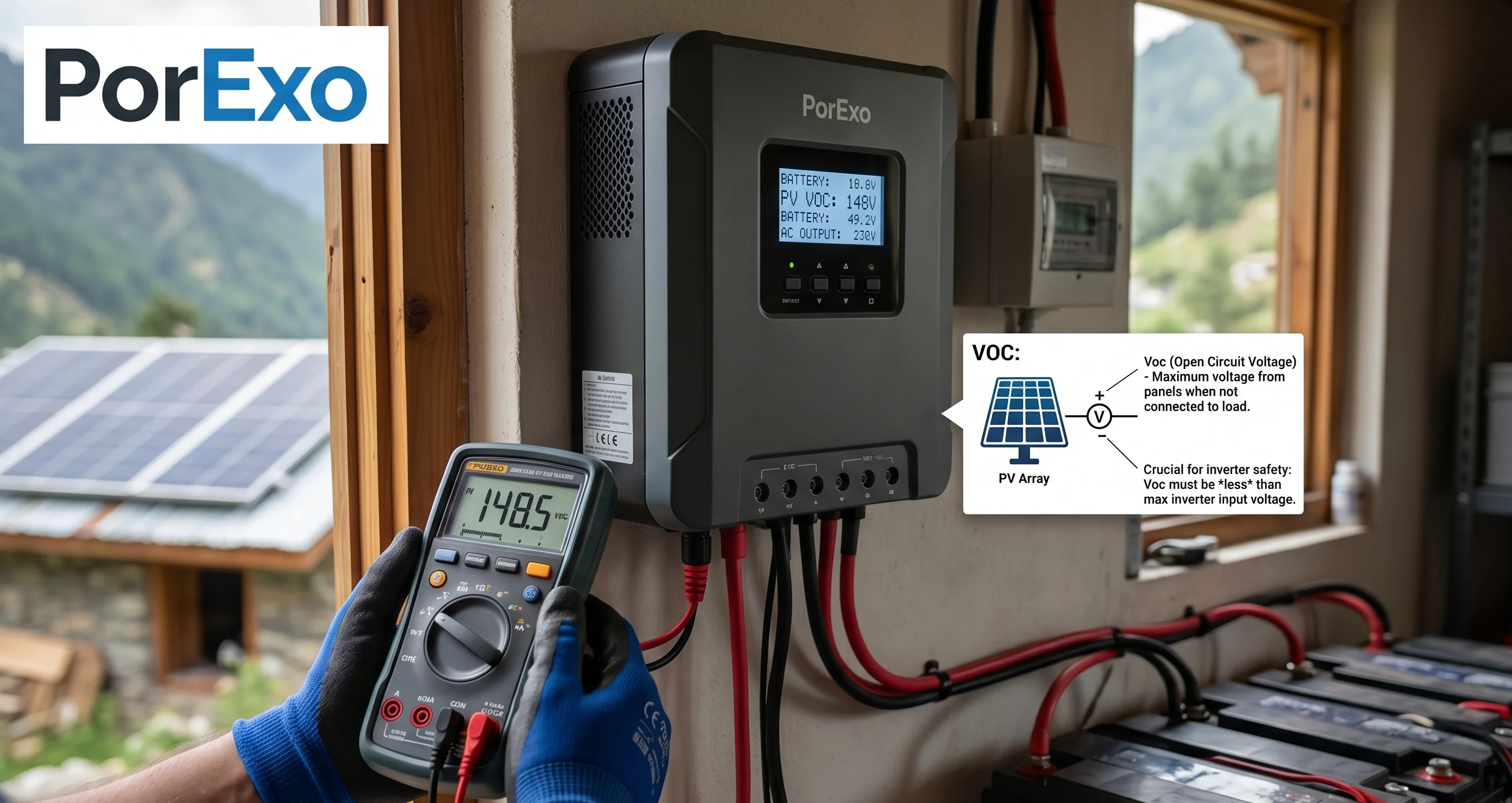
Sunlight is made of tiny particles called photons. When these photons hit the silicon in the panel, they knock electrons loose. This movement of electrons creates an electric current. The metal lines you see on the panel (the grid) collect this current and send it through wires to an inverter, which converts it into the type of electricity you can use to power your appliances.
Main Things to Know About Polycrystalline Panels
- Good with Heat: They tend to handle high temperatures a bit better than some other types, meaning their performance doesn't drop as much on a very hot day.
- Cost-Effective: Because the manufacturing process is less wasteful, they are generally less expensive than monocrystalline panels. This makes them a great choice if you're watching your budget.
- Great for Large Spaces: If you have a big, open roof or a field (like for a solar farm), these panels are a practical and economical option to cover a lot of area.
- Slightly Lower Efficiency: The trade-off is that they are typically a little less efficient at converting sunlight to electricity than monocrystalline panels. This means you might need a few more panels to produce the same amount of power.
Where Are They a Good Fit?
Polycrystalline panels are a solid, reliable choice for many situations. They're perfect for residential rooftops where you have plenty of space, for commercial buildings, and for large-scale utility projects. Their balance of price and performance makes them a popular "workhorse" of the solar industry.
If you're planning a project and need to calculate energy output or costs, tools like our EMI Calculator can help with financial planning, and a Unit Converter can be handy for any necessary measurements.
Frequently Asked Questions
📚 Read Next
What's the main difference between mono and polycrystalline panels?
The main difference is in the silicon structure. Monocrystalline panels are made from a single, pure crystal of silicon, giving them a uniform black color and slightly higher efficiency. Polycrystalline panels are made from many silicon fragments melted together, giving them a blue, speckled appearance and a lower cost.
Do polycrystalline panels work on cloudy days?
Yes, they do! All solar panels, including polycrystalline ones, can generate electricity on cloudy days, just at a reduced rate. They need light, not necessarily direct, blazing sunshine.
How long do these panels typically last?
Most polycrystalline solar panels come with a warranty of 25 years or more. They are built to be durable and can last for decades, though their power output will very slowly decrease over time.
Are they good for a small roof?
It depends on your energy goals. Because they are slightly less efficient, you might need more roof area to meet your power needs compared to using more efficient panels. For a small roof with high electricity consumption, you might want to explore other options. For more on planning and space, check out our Image Tools which can help with layout mockups.
For further reading on solar technology and efficiency comparisons, you can visit reputable sources like the U.S. Department of Energy's guide.