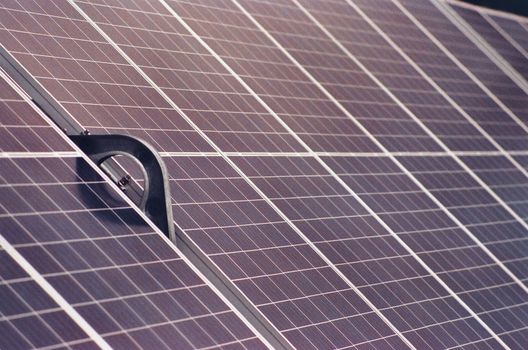
Thin film solar panels are a different kind of solar technology. Instead of using thick, rigid silicon wafers, they are made by putting very thin layers of photovoltaic material onto a surface like glass, plastic, or metal. This makes them lightweight and often flexible.
Think of it like the difference between a heavy, old-school TV and a modern, slim LED screen. Thin film panels are the slim, adaptable version of solar tech.
Handy Tools For You
How Do They Work?
They work on the same basic principle as all solar panels: sunlight hits the material and knocks electrons loose, creating an electric current. The key difference is in the materials used and how they're applied. Common materials include:
- Cadmium Telluride (CdTe): The most common type, known for good performance in real-world conditions.
- Copper Indium Gallium Selenide (CIGS): Offers high efficiency and can be made on flexible backings.
- Amorphous Silicon (a-Si): Similar to traditional silicon but non-crystalline, allowing for thin, flexible panels.
Key Points to Know
- They can be more budget-friendly to produce because they use less raw material.
- They're versatile. Their flexibility and light weight mean they can be used on curved surfaces, integrated into building materials (like solar shingles), or used in portable chargers.
- They generally have a shorter lifespan than traditional monocrystalline or polycrystalline panels. They can degrade a bit faster over time.
- Installation is often simpler. Being lightweight and sometimes adhesive-backed, they can be easier and cheaper to install on certain roofs.
- Efficiency is typically lower. They usually convert a smaller percentage of sunlight into electricity compared to standard silicon panels, so you might need more roof space for the same power output.
Example: Simple Comparison
Here's a basic way to think about the trade-off:
Traditional Silicon Panel:
- Pros: High efficiency, long lifespan.
- Cons: Heavy, rigid, higher cost per panel.

Thin Film Panel:
- Pros: Lightweight, flexible, lower production cost.
- Cons: Lower efficiency, shorter lifespan.
Are They Right For You?
Thin film panels are a great choice in specific situations:
- If you have a large, flat commercial roof where weight is a concern.
- If you need solar on a curved or unusual surface.
- For portable applications or consumer products.
- When the lower upfront cost is a bigger priority than maximum long-term efficiency.
For most residential homes with standard, slanted roofs, traditional panels are often the go-to for their proven track record and higher energy output per square foot.
For more details on solar technology and comparisons, you can check out resources from the U.S. Department of Energy's Solar Energy Technologies Office.
Frequently Asked Questions
📚 Read Next
Are thin film solar panels less efficient?
Yes, typically. Most thin film panels have a lower efficiency rating (around 10-13%) compared to traditional silicon panels (which can be 18-22% or more). This means they produce less electricity from the same amount of sunlight.
Can I walk on thin film solar panels?
It's not recommended. While some are durable, they are not designed to be walked on like a roof tile. You could damage the delicate photovoltaic layers. Always follow the manufacturer's guidelines.
Do thin film panels work in cloudy weather?
They can perform slightly better than traditional panels in low-light or cloudy conditions. Some materials, like amorphous silicon, are better at capturing the diffuse light found on cloudy days.
Where can I get tools to calculate solar panel needs or edit related images?
You can use various online tools for planning. For example, you might use a Unit Converter for measurements, an Image Editor to mark up roof plans, or a general Multi Tools page for other utilities.