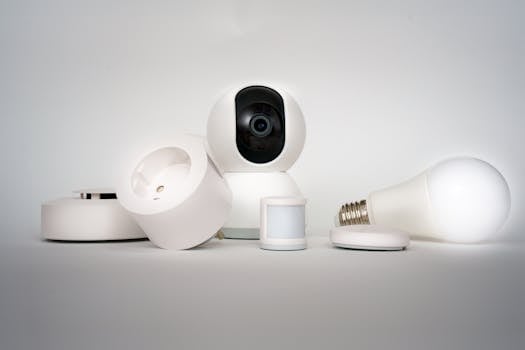
Thinking about making your home a bit smarter? It's an exciting step! But with so many gadgets, apps, and brands out there, it can feel a bit overwhelming. Don't worry, we're here to walk you through the process of buying smart home devices online in India, step by step.
Start with a Simple Plan
Before you click "Buy Now," take a moment. What do you actually want to automate? Is it turning lights on and off, controlling the fan, or keeping an eye on your home when you're away? Starting with one or two clear goals is much easier than trying to automate everything at once.
Handy Tools For You
Check What You Already Have
This is a really important step. Your new smart device needs to talk to your phone and possibly to other devices. Ask yourself:
- Do you have a stable Wi-Fi network at home?
- Does your smartphone support the latest apps?
- If you're buying a smart speaker (like Amazon Echo or Google Nest), do you prefer Alexa or Google Assistant?
Making sure things are compatible from the start saves a lot of headache later.
Understanding the "Brains" of the Operation: Hubs & Protocols
Some devices connect directly to your Wi-Fi. Others might need a central "hub" or "bridge" to connect. You might also see technical terms like Zigbee, Z-Wave, or Matter. Here's a simple way to think about it:
- Wi-Fi Devices: Connect directly to your router. Easy to set up, but can clutter your network if you have too many.
- Hub-based Systems (like Philips Hue): Devices connect to a central hub, which then connects to your router. Often more reliable and can work even if the internet is down.
- Matter: This is a new, universal standard. A device with the Matter logo should work easily with Amazon Alexa, Google Home, and Apple HomeKit. It's a great choice for future-proofing.
Where to Shop and What to Look For
Websites like Amazon, Flipkart, and Tata CLiQ are popular choices. Here’s how to shop smart:
- Read the "Features" and "Specifications" carefully. Don't just look at the pictures.
- Dive into the Customer Reviews. Sort by "Most Recent" to see the latest feedback. Pay special attention to 3-star reviews—they often give the most balanced pros and cons.
- Watch Video Reviews. A quick search on YouTube for the product name can show you how the device actually works in someone's home.
- Compare Prices. Use tools like our Price Comparison tool or check prices across different sites. Don't forget to check for bank offers or festival discounts!
Don't Forget the Practical Stuff
- Warranty: Always check the warranty period and what it covers. Keep the invoice safe.
- Installation: Some devices need professional installation (like smart ACs or security cameras). Check if it's a DIY setup or if you need to book a technician.
- Return Policy: Understand the website's return and replacement window, just in case the product isn't right for you.
A Simple Starter Shopping List
If you're just beginning, here’s a sensible order to buy things in:
- A smart speaker or display (your voice assistant).
- Smart bulbs or smart plugs (to control lights and appliances).
- A smart camera or doorbell (for security).
- Smart sensors (for doors, windows, or motion).
Start small, see how you like it, and then expand. The goal is to make life easier, not more complicated!
Frequently Asked Questions
📚 Read Next

Do I need a very fast internet connection for smart home devices?
Not necessarily. A stable connection is more important than super-high speed. Most devices use very little bandwidth. However, if you have many cameras streaming video, you might want a plan with good upload speed.
Are smart home devices safe from hackers?
Like any internet-connected device, there is a risk. You can improve security by: using strong, unique passwords for your Wi-Fi and device accounts; keeping device firmware updated; and buying from reputable brands that provide regular security patches.
Can I control these devices when I'm not at home?
Yes, that's one of the main benefits! As long as the device is connected to the internet and your phone has data or Wi-Fi, you can control it from anywhere. For example, you can turn off a light you forgot, or check your security camera feed.
What if the smart home app stops working or the company shuts down?
This is a real concern. To reduce risk, prefer devices that work with major platforms (Amazon Alexa, Google Home) or use the new Matter standard. These are less likely to become useless "bricks" if one company's app fails. For critical functions like door locks, reliability of the brand is very important.
For more helpful tools to manage your digital life, check out our collection of free utilities like our Unit Converter or Password Generator.