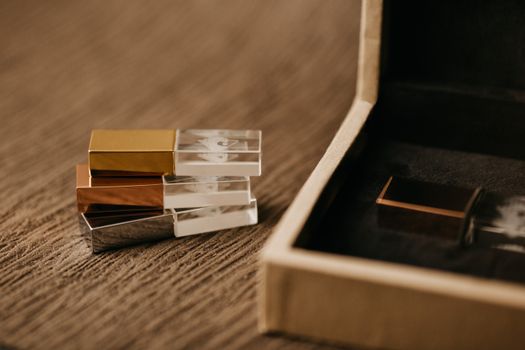
If you're starting a project and need a clear, plastic material, you've probably heard about acrylic. But then you see "cast acrylic" and wonder what the difference is. It's a bit like the difference between bread from a big factory and bread from a local bakery. Both are bread, but they're made differently and are good for different things.
Let's break down the two main types: standard acrylic sheet (often called extruded acrylic) and cast acrylic sheet.
Handy Tools For You
How They Are Made: The Big Difference
The main difference comes from how they are manufactured. This process changes almost everything about the final product.
- Acrylic Sheet (Extruded): Think of this like pushing play-dough through a shaped hole. Acrylic pellets are melted and forced through a die to form a continuous sheet. It's a faster, high-volume process.
- Cast Acrylic Sheet: This is more like making jelly. Liquid acrylic is poured into a mold (or between two glass sheets) and left to cure and harden slowly. It's a slower, more careful process.
Comparing Their Properties
Because of how they're made, each type has its own strengths and weaknesses.
| Feature | Acrylic Sheet (Extruded) | Cast Acrylic Sheet |
|---|---|---|
| Cost | Generally less expensive. Good for budget-conscious projects. | More expensive due to the slower manufacturing process. |
| Thickness & Consistency | Can have very slight variations in thickness across the sheet. Perfectly fine for most general uses. | Extremely uniform thickness. Essential for precision work. |
| Surface Hardness | A bit softer, so it can be more prone to scratching. | Harder surface, making it more resistant to scratches. |
| Workability | Easier to thermoform (bend with heat). Good for simple shapes. | Holds its shape better when heated, allowing for deeper, more intricate draws and complex fabrications. |
| Chemical Resistance | More susceptible to chemicals in some solvents and cleaners. | Superior chemical resistance. Better for environments with exposure to chemicals. |
| Optical Clarity | Very good clarity, suitable for most displays and signs. | Exceptional, water-white clarity. Often used for high-end displays, aquariums, and lenses. |
When Should You Use Which One?
Choosing the right type depends on your project's needs.
Choose Standard Acrylic (Extruded) For:
- Basic signage and displays.
- Simple protective barriers or window glazing.
- Budget-friendly DIY projects and crafts.
- Projects where you need to do a lot of heat bending for simple shapes.
It's a great, cost-effective all-rounder. For many general-purpose cutting tasks, you can use tools like our online Image Tools to prepare designs, even if you're working with physical materials.
Choose Cast Acrylic For:
- Precision parts like machine guards or lenses that need exact thickness.
- High-quality awards, trophies, and engraving (it engraves with a crisp, frosted look).
- Aquariums, vivariums, or any application requiring superior strength and clarity.
- Intricate fabrication and thermoforming (like complex point-of-purchase displays).
- Applications where it will be exposed to chemicals or needs maximum scratch resistance.
Think of it as the premium, performance-grade option. When planning such detailed work, organizing your material specs in a CSV Editor can help keep track of different components.
A Quick Analogy
Imagine you need a block of wood.
- Extruded Acrylic is like plywood. It's strong, reliable, cost-effective, and perfect for building a sturdy bookshelf.
- Cast Acrylic is like a solid, fine-grained hardwood. It's more expensive, but it's denser, can be carved with finer detail, and will take a beautiful, smooth polish for a fine piece of furniture.
Frequently Asked Questions
📚 Read Next



Which one is easier to cut and drill?
Both can be cut and drilled with standard woodworking tools (saw, drill). Cast acrylic is a bit more brittle, so you need to go slower to avoid cracking, especially when drilling near edges. Extruded acrylic is a bit more forgiving in this regard.
Can you tell the difference just by looking?
Often, no. To the untrained eye, they look identical. A common test is the "hot wire" test (which should be done with caution). A hot wire or needle will tend to sink into extruded acrylic but may not penetrate cast acrylic as easily. The protective paper or film on the sheet might also have the manufacturing method printed on it.
Is one more environmentally friendly than the other?
Both are 100% recyclable (recycled as PMMA). The extrusion process is generally more energy-efficient per unit produced because it's continuous. However, the core material is the same, so the environmental impact of the raw acrylic is similar.
I'm making a simple picture frame. Which should I buy?
For a simple picture frame, standard extruded acrylic is absolutely fine and will save you money. You don't need the high-performance features of cast acrylic for this application. For other creative projects, you might use our Photo Editor to get your images ready before framing them.
Final Thought: Start by asking about the demands of your project. If you need the best optical quality, precision, and durability, invest in cast acrylic. For everyday, general-purpose use where cost is a factor, extruded acrylic is a fantastic material that will do the job well. Knowing the difference helps you buy the right material without overspending or under-specifying.
For more on working with different materials and formats, explore our full suite of online tools that can assist with various stages of your project planning and design.