Thinking about getting a solar inverter for your 2BHK home? It's a great way to save on electricity bills and be more self-sufficient. Let's break down what you should look for and how much you might need to spend.
What Size Inverter Do You Need?
For a typical 2BHK house in India, your daily electricity use might be between 5 to 10 units (kWh). To back up essential appliances like fans, lights, a TV, and a refrigerator during a power cut, an inverter with a capacity of 1.5 kVA to 3 kVA is usually enough.
Handy Tools For You
- 1.5 kVA: Good for basic lighting and fan backup.
- 2 kVA: Can handle a fridge, TV, and a few lights and fans.
- 3 kVA: A comfortable choice that can run more appliances, including a small air conditioner for short periods.
Understanding Solar Inverter Prices
The price isn't just for the box you buy. It depends on the type, brand, and what's included. Here's a rough idea of the market range:
Type: Sine Wave Solar Inverter
Capacity: 2 kVA
Price Range: ₹18,000 - ₹35,000
---
Type: PCU (Power Conditioning Unit) with MPPT
Capacity: 3 kVA
Price Range: ₹30,000 - ₹50,000
---
Type: Hybrid Inverter (Grid + Solar + Battery)
Capacity: 3 kVA
Price Range: ₹40,000 - ₹70,000+
Note: These are approximate prices for the inverter unit alone. The total system cost will be higher when you add solar panels, batteries, and installation.
What Affects the Final Cost?
Several things can change the price tag:
- Brand: Established brands like Luminous, Microtek, or Exide might cost more but often come with better reliability and service.
- Technology: Pure sine wave inverters are pricier than square wave or modified sine wave, but they are safer for modern electronics.
- Features: Inverters with an MPPT (Maximum Power Point Tracking) charge controller are more efficient but also more expensive.
- Warranty & Service: A longer warranty (e.g., 5 years) might have a higher upfront cost but saves money in the long run.
Getting the Complete Picture
Remember, the inverter is one part of the system. For a proper solar setup, you'll also need:
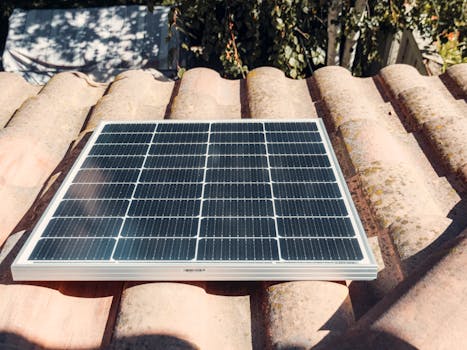
- Solar Panels: To generate power from sunlight.
- Batteries: To store the energy for use at night or during cuts.
- Installation & Wiring: Labour costs for setting everything up safely.
A complete 2-3 kW solar system for a 2BHK, including panels and batteries, can range from ₹1,00,000 to ₹2,00,000 or more, depending on quality and capacity. Using a calculator can help you figure out your savings percentage over time.
Smart Tips Before You Buy
- Audit Your Load: List the appliances you want to run on backup and calculate their total wattage. This tells you the exact inverter capacity you need.
- Get Multiple Quotes: Don't settle for the first price. Talk to a few local vendors and compare what they are offering for the money.
- Check for Subsidies: Some Indian states offer subsidies on solar systems. Check with your local electricity department or DISCOM.
- Plan for the Future: If you think you might add an AC or more appliances later, consider buying a slightly higher-capacity inverter now.
Frequently Asked Questions
📚 Read Next
Can a solar inverter work without batteries?
Yes, but only during the daytime when the sun is shining. These are called "grid-tied" systems. To have backup power during an outage or at night, you need batteries to store the energy.
Is a more expensive inverter always better?
Not necessarily. A more expensive inverter from a reputable brand often means better build quality, efficiency, and after-sales service. But you should choose one that matches your specific power needs and budget. The most expensive model might have features you don't need.
How long does a solar inverter last?
A good quality solar inverter can last between 8 to 12 years. The batteries (usually lead-acid) need to be replaced more frequently, every 3-5 years.
Can I install the solar inverter myself?
It's strongly recommended to hire a professional. Installation involves working with high-voltage DC and AC electricity, setting up solar panels on the roof, and proper wiring. A certified installer will ensure it's safe and works correctly.
Choosing a solar inverter is a significant step towards energy independence. Take your time, do your research, and focus on getting a reliable system that fits your home's needs. For more planning tools, you can explore other utilities like a loan EMI calculator to plan your purchase.