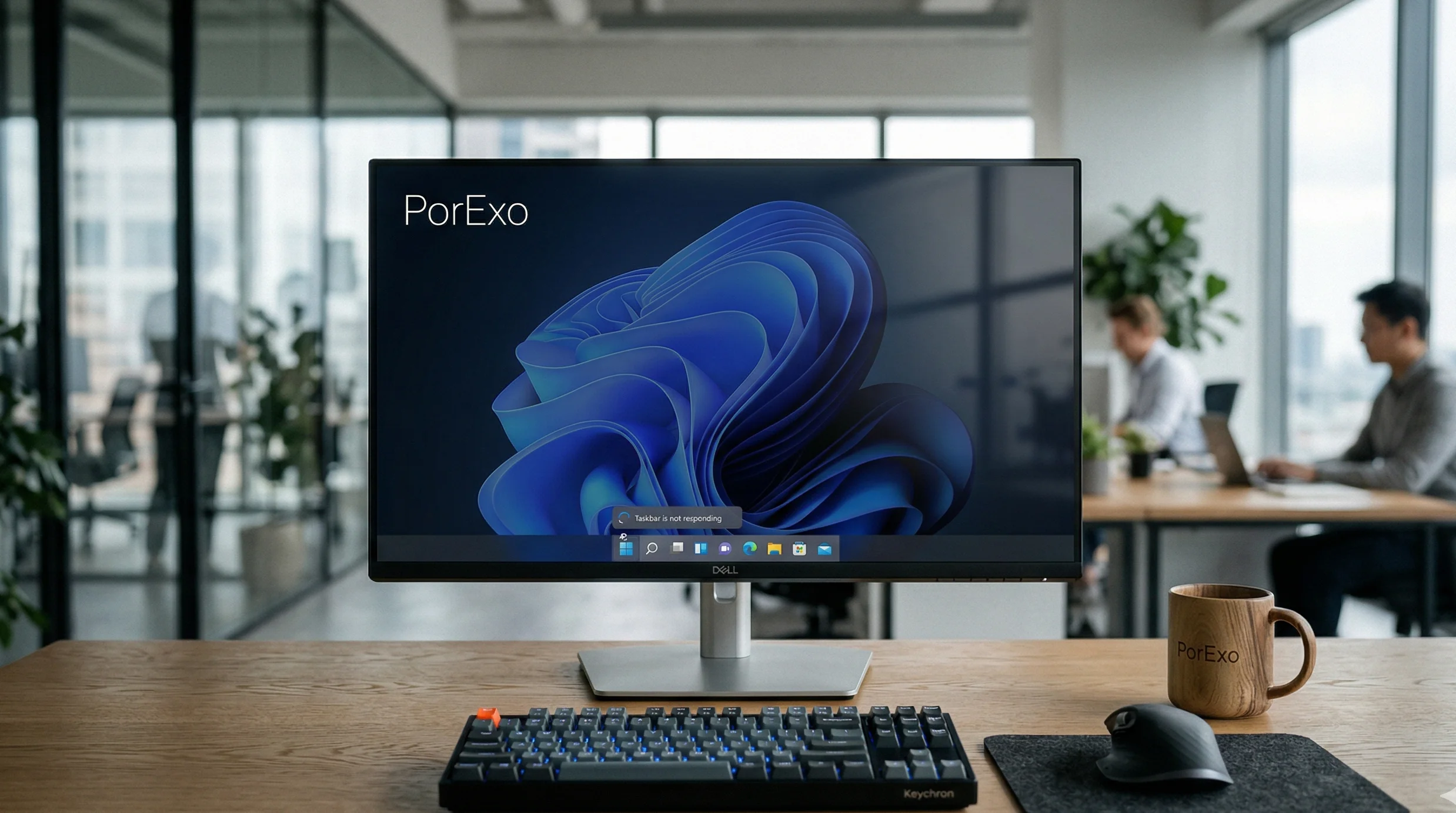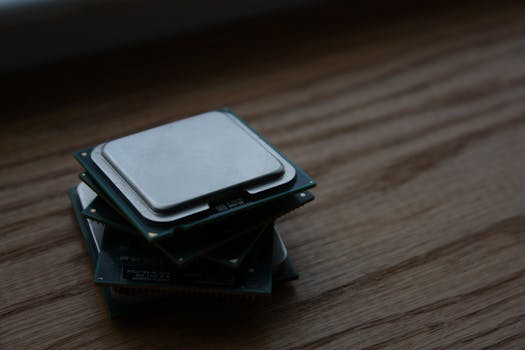
Is your Windows 11 computer suddenly feeling slow, the fan is running loudly all the time, or programs are freezing? This is often a sign of high CPU usage. Think of your CPU (Central Processing Unit) as the brain of your computer. When it's working too hard on too many tasks, everything else slows down.
Don't worry, this is a common problem and you can usually fix it yourself. Let's walk through some simple steps to find out what's causing the issue and calm your computer down.
First Step: See What's Causing the Problem
The first place to look is the Task Manager. It's like a control panel that shows you everything happening on your PC.
- Press Ctrl + Shift + Esc on your keyboard. This opens the Task Manager directly.
- Click on the "CPU" column header. This sorts the list so the program using the most CPU is at the top.
- Look for any process that shows a very high percentage (like 90% or 100%) for more than a few seconds.
Often, you might find a web browser tab, a background updater, or "Windows Modules Installer" working hard. Make a note of the name.
Simple Fixes to Try
Once you know where to look, try these solutions in order.
1. Close the Problematic Program
If a specific app (like Chrome or a game) is using too much CPU, the quickest fix is to close it.
- In Task Manager, click on the program name.
- Click the "End task" button in the bottom right.
2. Update Your System and Drivers
Outdated software can have bugs that make the CPU work inefficiently.
- Update Windows: Go to Settings > Windows Update and click "Check for updates."
- Update Drivers: Especially graphics and chipset drivers. You can find these on your laptop manufacturer's website or your PC component maker's site (like NVIDIA, AMD, or Intel).
3. Stop Programs from Starting Automatically
Many programs set themselves to start when you turn on your PC, which can slow down the startup and use CPU in the background.
- Open Task Manager and go to the "Startup" tab.
- You'll see a list of programs. Right-click on any you don't need immediately (like Spotify, Skype, or cloud storage apps) and select "Disable".
- This doesn't uninstall them; it just stops them from launching automatically. You can always open them manually later.
4. Check for Malware
Sometimes, malicious software (malware) can run hidden processes that eat up your CPU. It's good to run a scan.
- Use Windows Security (built into Windows 11). Search for "Windows Security" in the Start menu, go to "Virus & threat protection," and run a Quick Scan.
- You can also use a trusted third-party antivirus tool for a second opinion.
5. Adjust Your Power Plan
Your computer's power settings can affect performance. The "Power saver" mode can limit your CPU to save battery, but "High performance" lets it run at full speed.
- Type "Edit power plan" in the Windows search bar and open it.
- Click on "Change advanced power settings."
- Find "Processor power management" and expand it.
- Set both "Minimum processor state" and "Maximum processor state" to a higher value (like 100%) if you're plugged in and need full power.
If you're on a laptop, make sure you're using the "Best performance" power mode from the battery icon in the taskbar.
6. A Deeper Clean: Disable Tips and Suggestions
Windows 11 has some background features that can use resources. Turning them off can help.
1. Go to Settings > System > Notifications.
2. Scroll down and turn off "Suggest ways I can finish setting up my device" and "Get tips and suggestions when I use Windows".
3. Also, go to Settings > Privacy & security > General.
4. Turn off all the toggle switches under "Change privacy options".
When to Look for More Help
If you've tried all the above and your CPU is still constantly at a high percentage, the issue might be more specific. You can search online for the exact process name you see in Task Manager along with "high CPU Windows 11." Often, you'll find forum posts from others who solved the same issue.
For managing system resources and performing other maintenance tasks, you might find tools like a background remover useful for cleaning up image files, or a system monitor to keep an eye on performance. You can explore more utilities on the main Porexo Tools page.
Frequently Asked Questions
📚 Read Next



Is 100% CPU usage bad?
It's normal for the CPU to hit 100% for short bursts when you're opening a big program or game. But if it stays at or near 100% for minutes when you're just browsing the web or doing nothing, that's a problem. It will make your PC hot, slow, and could shorten its lifespan over time.
Can a virus cause high CPU usage?
Yes, absolutely. Malware like crypto-miners or bots often run hidden processes that use a lot of CPU power. Always run a scan with a trusted antivirus if you suspect high CPU usage without an obvious cause.
Do I need to restart my PC after making these changes?
It's a good idea. Restarting your computer clears out temporary files and stops all processes cleanly, allowing your changes (like disabling startup apps or updating drivers) to take full effect.
What if "System" or "Antimalware Service Executable" is using high CPU?
These are Windows system processes. "Antimalware Service Executable" is Windows Defender running a scan. It's usually temporary. You can wait for it to finish, or schedule scans for when you're not using the PC. If "System" is constantly high, it often points to a driver issue—try updating your drivers, especially for storage and chipset.