Arduino represents a revolutionary open-source electronics platform that has democratized embedded systems development for makers, students, and professionals worldwide. At its core, Arduino combines accessible hardware with intuitive software, enabling anyone to transform creative ideas into functional electronic projects without requiring extensive electrical engineering knowledge.
What Makes Arduino Special?
Unlike traditional microcontroller development that often involves complex setup procedures and steep learning curves, Arduino offers a streamlined approach. The platform features a simple integrated development environment (IDE) based on Processing, making programming approachable for beginners while remaining powerful enough for advanced users. The hardware abstraction layer means you can focus on your project's functionality rather than low-level hardware details.
Handy Tools For You
Core Components of the Arduino Ecosystem
Every Arduino project begins with understanding the fundamental components. The heart of any Arduino setup is the microcontroller board itself, which comes in various form factors from the standard Uno to the compact Nano and powerful Mega. These boards process your code and interact with the physical world through digital and analog pins.
The Arduino IDE serves as your programming workspace, providing features like syntax highlighting, code verification, and one-click uploading. The extensive library ecosystem offers pre-written code for common components like displays, sensors, and communication modules, dramatically reducing development time.
// Basic Arduino Blink Example
void setup() {
  pinMode(LED_BUILTIN, OUTPUT); // Initialize built-in LED pin
}

void loop() {
  digitalWrite(LED_BUILTIN, HIGH); // Turn LED on
  delay(1000);                     // Wait one second
  digitalWrite(LED_BUILTIN, LOW);  // Turn LED off
  delay(1000);                     // Wait one second
}
Practical Applications and Project Ideas
The versatility of Arduino enables countless applications across diverse domains. Here are some of the most impactful ways people are using Arduino today:
Robotics and Automation
From simple line-following robots to complex robotic arms, Arduino serves as the brain controlling motors, sensors, and actuators. The platform's real-time control capabilities make it ideal for automation projects in both industrial and hobbyist contexts.
Wearable Technology
Compact Arduino boards like the LilyPad and Flora are specifically designed for wearable projects. These boards can be sewn into clothing to create interactive fashion, health monitoring devices, or accessibility tools that respond to environmental stimuli.
Home Automation Systems
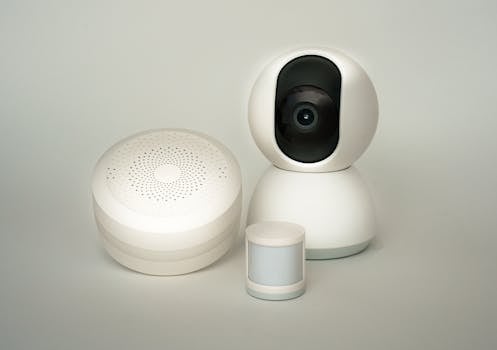
Transform your living space with custom smart home solutions. Arduino can control lighting, climate, security systems, and appliances. Unlike commercial systems, Arduino-based automation offers complete customization and local control without subscription fees.
Interactive Art and Installations
Artists and designers use Arduino to create dynamic sculptures, responsive environments, and immersive experiences. By combining sensors with lights, sound, and motion, Arduino bridges the gap between digital creativity and physical expression.
Environmental Monitoring
Build your own weather stations, air quality monitors, or plant watering systems. Arduino's analog input capabilities make it perfect for reading various environmental sensors and taking appropriate actions based on the collected data.
Getting Started with Your First Project
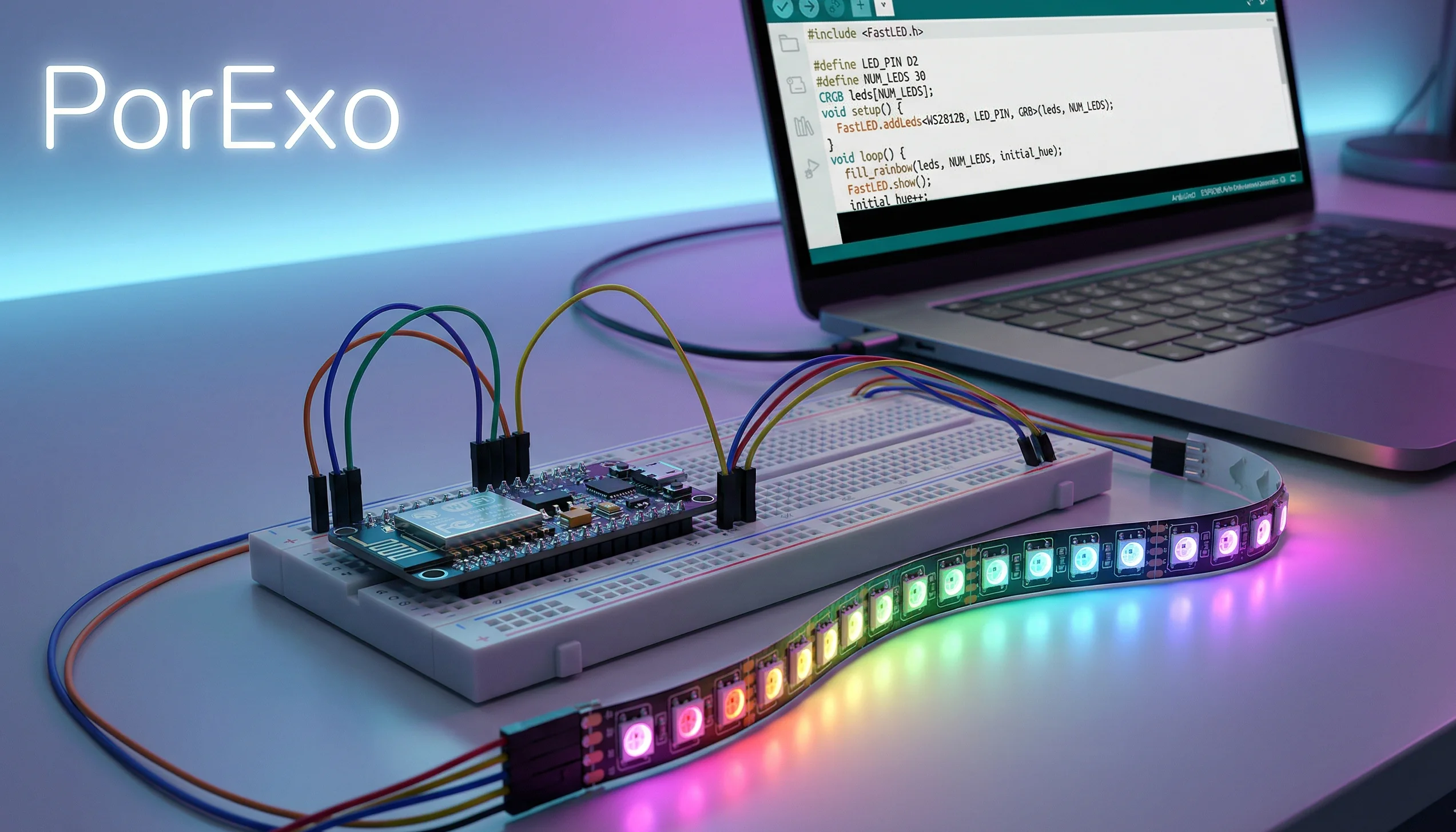
Beginning your Arduino journey requires minimal investment. Start with an Arduino Uno starter kit, which typically includes the board, breadboard, jumper wires, LEDs, resistors, and basic sensors. Follow online tutorials to build simple circuits like blinking LEDs or reading button inputs before progressing to more complex projects. The Arduino community provides extensive documentation and support through forums and project sharing platforms.
// Reading Analog Sensor Values
const int sensorPin = A0;   // Analog input pin
int sensorValue = 0;        // Variable to store sensor reading

void setup() {
  Serial.begin(9600);       // Initialize serial communication
}

void loop() {
  sensorValue = analogRead(sensorPin); // Read analog value
  Serial.print("Sensor reading: ");
  Serial.println(sensorValue);         // Print value to serial monitor
  delay(500);                          // Short delay
}
Advanced Capabilities and Integration
As you progress, explore Arduino's advanced features like interrupt handling, power management, and communication protocols (I2C, SPI, UART). The platform integrates seamlessly with other technologies including Raspberry Pi, wireless modules (Wi-Fi, Bluetooth), and cloud services, enabling internet-connected devices and IoT applications.
📚 Read Next


What programming language does Arduino use?
Arduino uses a simplified version of C++ with additional libraries specifically designed for microcontroller programming. The language includes built-in functions for common tasks like digital I/O, analog reading, and timing operations.
Do I need prior electronics experience to use Arduino?
No prior experience is necessary. Arduino was designed specifically for beginners, with extensive documentation, tutorials, and a supportive community. Basic concepts can be learned through starter kits and online resources.
What's the difference between Arduino and Raspberry Pi?
Arduino is a microcontroller board designed for real-time control of hardware, while Raspberry Pi is a single-board computer capable of running full operating systems. Arduino excels at simple, repetitive tasks and direct hardware control, whereas Raspberry Pi handles complex computations and multimedia applications.
Can Arduino connect to the internet?
Yes, through add-on shields or modules like the Arduino Ethernet Shield, WiFi Shield, or ESP8266/ESP32-based boards. These enable Arduino to send and receive data over local networks or the internet, making IoT projects possible.
How much does it cost to get started with Arduino?
A basic Arduino starter kit typically costs between $30-$80, including the board, components, and cables. Individual Arduino boards range from $10 for Nano clones to $40 for official boards. The Arduino IDE is completely free to download and use.