Building an ESP8266 web server opens up endless possibilities for IoT projects, from home automation to remote monitoring systems. This Complete guide walks you through the entire process, from initial setup to creating a fully functional web interface that you can access from any device on your network.
Prerequisites and Setup
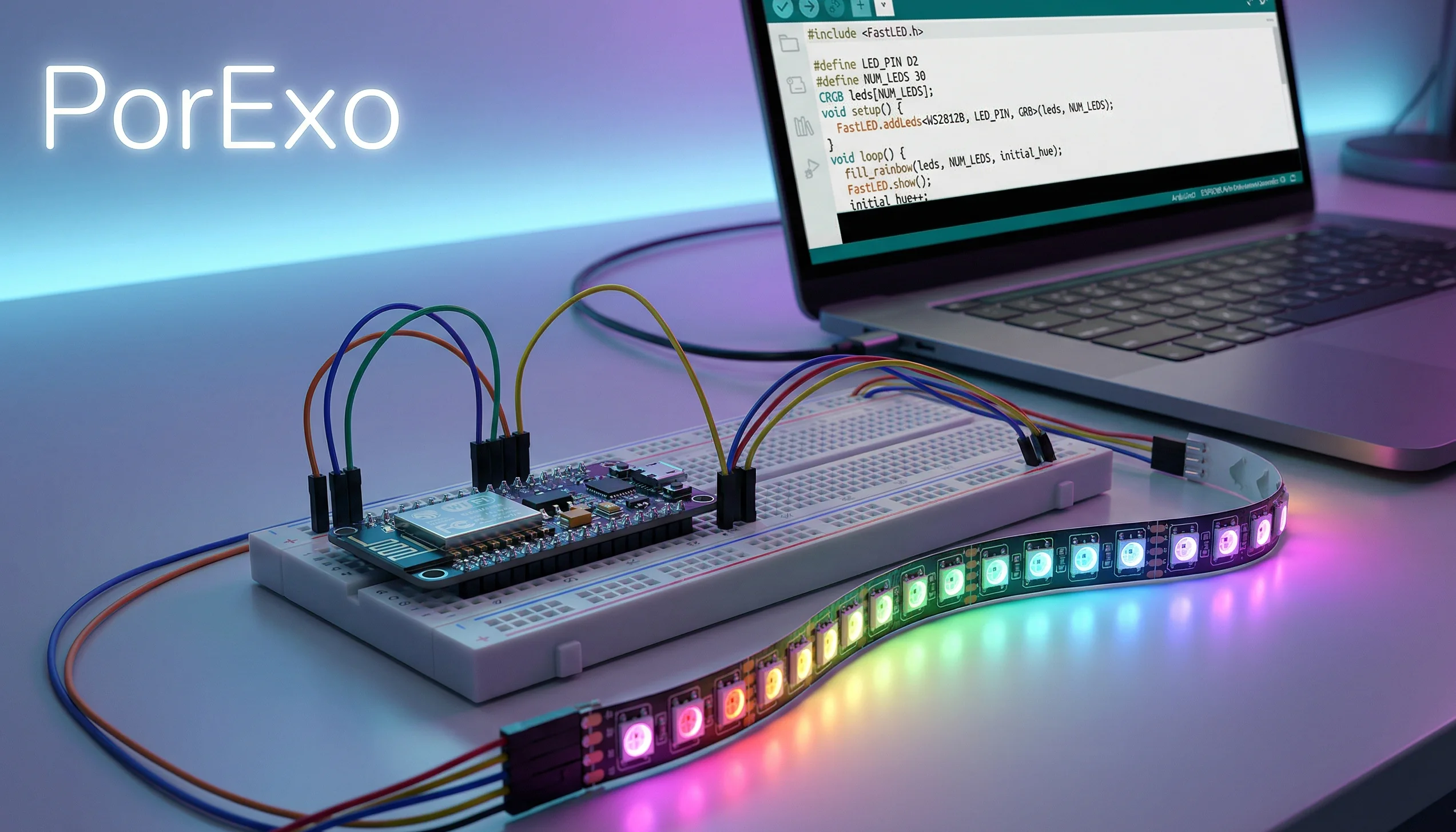
Before diving into the code, ensure you have the necessary components: an ESP8266 development board (NodeMCU or Wemos D1 Mini recommended), USB cable, Arduino IDE installed, and basic understanding of Arduino programming. The ESP8266's built-in WiFi capability makes it ideal for creating web servers without additional hardware.
Handy Tools For You
Step 1: Install Required Software and Libraries
Begin by installing the Arduino IDE and adding ESP8266 board support. Navigate to File > Preferences and add the following URL to Additional Board Manager URLs:
http://arduino.esp8266.com/stable/package_esp8266com_index.jsonThen install the ESP8266 board package via Tools > Board > Boards Manager. Search for "esp8266" and install the latest version.
Step 2: Hardware Connection and Configuration
Connect your ESP8266 to your computer using a USB cable. Select the appropriate board from Tools > Board (NodeMCU 1.0 for most boards) and choose the correct COM port. Ensure the board is properly recognized before proceeding.
Step 3: Web Server Code Implementation
Here's a complete example that creates a basic web server with control capabilities:
#include
#include
const char* ssid = "Your_SSID";
const char* password = "Your_PASSWORD";
ESP8266WebServer server(80);
void handleRoot() {
String html = "";
html += "ESP8266 Web Server
";
html += "Welcome to your IoT web server!
";
html += "";
html += "";
html += "";
server.send(200, "text/html", html);
}
void handleLEDOn() {
digitalWrite(LED_BUILTIN, LOW);
server.send(200, "text/plain", "LED turned ON");
}
void handleLEDOff() {
digitalWrite(LED_BUILTIN, HIGH);
server.send(200, "text/plain", "LED turned OFF");
}
void setup() {
Serial.begin(115200);
pinMode(LED_BUILTIN, OUTPUT);
digitalWrite(LED_BUILTIN, HIGH);
WiFi.begin(ssid, password);
while (WiFi.status() != WL_CONNECTED) {
delay(1000);
Serial.println("Connecting to WiFi...");
}
Serial.println("Connected! IP address: ");
Serial.println(WiFi.localIP());
server.on("/", handleRoot);
server.on("/ledon", handleLEDOn);
server.on("/ledoff", handleLEDOff);
server.begin();
}
void loop() {
server.handleClient();
} Step 4: Upload and Test
Replace "Your_SSID" and "Your_PASSWORD" with your WiFi credentials, then upload the code. Open the Serial Monitor at 115200 baud to see the connection progress and IP address. Once connected, open a web browser and navigate to the displayed IP address to access your web server.
Advanced Features and Next Steps
Once your basic server is running, consider adding features like sensor data display, authentication, multiple endpoints, or integrating with cloud services. The ESP8266WebServer library supports various content types including JSON, making it perfect for creating RESTful APIs for your IoT applications.
📚 Read Next


What is the maximum number of simultaneous connections an ESP8266 web server can handle?
The ESP8266 can typically handle 3-5 simultaneous connections depending on the complexity of the requests and available memory. For higher traffic applications, consider implementing connection timeouts and optimizing your code for memory efficiency.
Can I host HTML files instead of generating HTML in code?
Yes, you can use the LittleFS or SPIFFS file systems to store and serve static HTML, CSS, and JavaScript files. This approach separates your web content from the application logic and makes maintenance easier for complex interfaces.
How do I make my ESP8266 web server accessible from the internet?
To access your server from outside your local network, you'll need to set up port forwarding on your router or use services like ngrok. However, consider security implications and implement proper authentication before exposing your device to the internet.
What's the difference between ESP8266 and ESP32 for web servers?
ESP32 offers dual-core processing, more memory, Bluetooth capability, and generally better performance. However, ESP8266 is more cost-effective and sufficient for most basic web server applications. Choose based on your project requirements and budget.
How can I improve the security of my ESP8266 web server?
Implement HTTPS using SSL certificates, add authentication mechanisms, validate all input data, use CSRF tokens, and regularly update your firmware. For sensitive applications, consider using the more secure ESP32 with its hardware encryption capabilities.