Losing weight doesn't have to be complicated or overwhelming. With the right approach and consistent habits, you can achieve your weight loss goals effectively. This comprehensive guide provides practical strategies, scientific insights, and actionable tips to help you on your weight loss journey.
Understanding Weight Loss Fundamentals
Weight loss occurs when you consume fewer calories than your body burns, creating a calorie deficit. However, sustainable weight loss involves more than just counting calories—it requires adopting healthy lifestyle habits that you can maintain long-term.
Essential Weight Loss Strategies
Nutrition and Diet
Your diet plays the most significant role in weight loss. Focus on nutrient-dense foods that provide maximum nutrition with fewer calories.
- Eat More Fruits and Vegetables: These high-fiber, low-calorie foods help you feel full while providing essential vitamins and minerals. Aim to fill half your plate with fruits and vegetables at each meal.
- Drink Plenty of Water: Staying hydrated helps control hunger, boosts metabolism, and replaces high-calorie beverages. Drink at least 8 glasses of water daily, and consider having a glass before meals to reduce appetite.
- Avoid Sugary Drinks and Snacks: These empty calories contribute significantly to weight gain. Replace soda, juice, and processed snacks with healthier alternatives like infused water, herbal tea, and fresh fruit.
Sample Daily Meal Plan:
Breakfast: 2 boiled eggs + 1 cup berries
Lunch: Grilled chicken salad with mixed greens
Snack: Apple with 1 tbsp almond butter
Dinner: Baked salmon with steamed vegetables
Physical Activity
Regular exercise accelerates weight loss by burning calories and building muscle, which increases your metabolic rate.
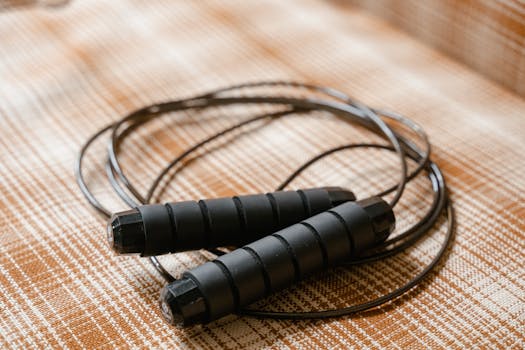
- Exercise Regularly: Aim for at least 150 minutes of moderate-intensity exercise or 75 minutes of vigorous exercise weekly. Include both cardio and strength training for optimal results.
Weekly Exercise Schedule:
Monday: 30 min brisk walking + bodyweight exercises
Tuesday: Rest or light stretching
Wednesday: 30 min cycling + core workout
Thursday: Rest or yoga
Friday: 30 min swimming + strength training
Saturday: 45 min hiking or sports
Sunday: Active recovery (light walk)
Lifestyle Factors
Other lifestyle elements significantly impact your weight loss success.
- Get Enough Sleep: Poor sleep disrupts hunger hormones, increasing appetite and cravings. Aim for 7-9 hours of quality sleep per night to support weight loss efforts.
Advanced Weight Loss Techniques
Mindful Eating
Practice eating slowly, without distractions, and paying attention to hunger and fullness cues. This helps prevent overeating and improves your relationship with food.
Portion Control
Use smaller plates, measure servings, and learn to recognize appropriate portion sizes to avoid consuming excess calories unintentionally.
Meal Planning and Preparation
Planning meals in advance helps you make healthier choices and reduces the temptation of convenience foods. Dedicate time each week to prepare healthy meals and snacks.
Frequently Asked Questions

How quickly can I expect to lose weight?
A safe and sustainable weight loss rate is 1-2 pounds per week. Rapid weight loss often leads to muscle loss and is difficult to maintain long-term.
Do I need to count calories to lose weight?
While calorie counting can be helpful for some people, it's not necessary for everyone. Focusing on food quality, portion control, and listening to your body's hunger signals can be equally effective.
What should I do if I hit a weight loss plateau?
Weight loss plateaus are common. Try changing your exercise routine, adjusting your calorie intake, ensuring adequate protein consumption, or managing stress levels to break through plateaus.
Is it okay to have cheat meals?
Occasional cheat meals can help with adherence to your diet plan. The key is moderation—enjoy your favorite foods in controlled portions without derailing your overall progress.
How important is strength training for weight loss?
Strength training is crucial as it builds muscle mass, which increases your resting metabolic rate. This means you'll burn more calories even when you're not exercising.
Final Thoughts
Successful weight loss requires patience, consistency, and a holistic approach that combines proper nutrition, regular physical activity, and healthy lifestyle habits. Remember that small, sustainable changes are more effective than drastic measures. Focus on progress rather than perfection, and celebrate each milestone on your journey to better health.