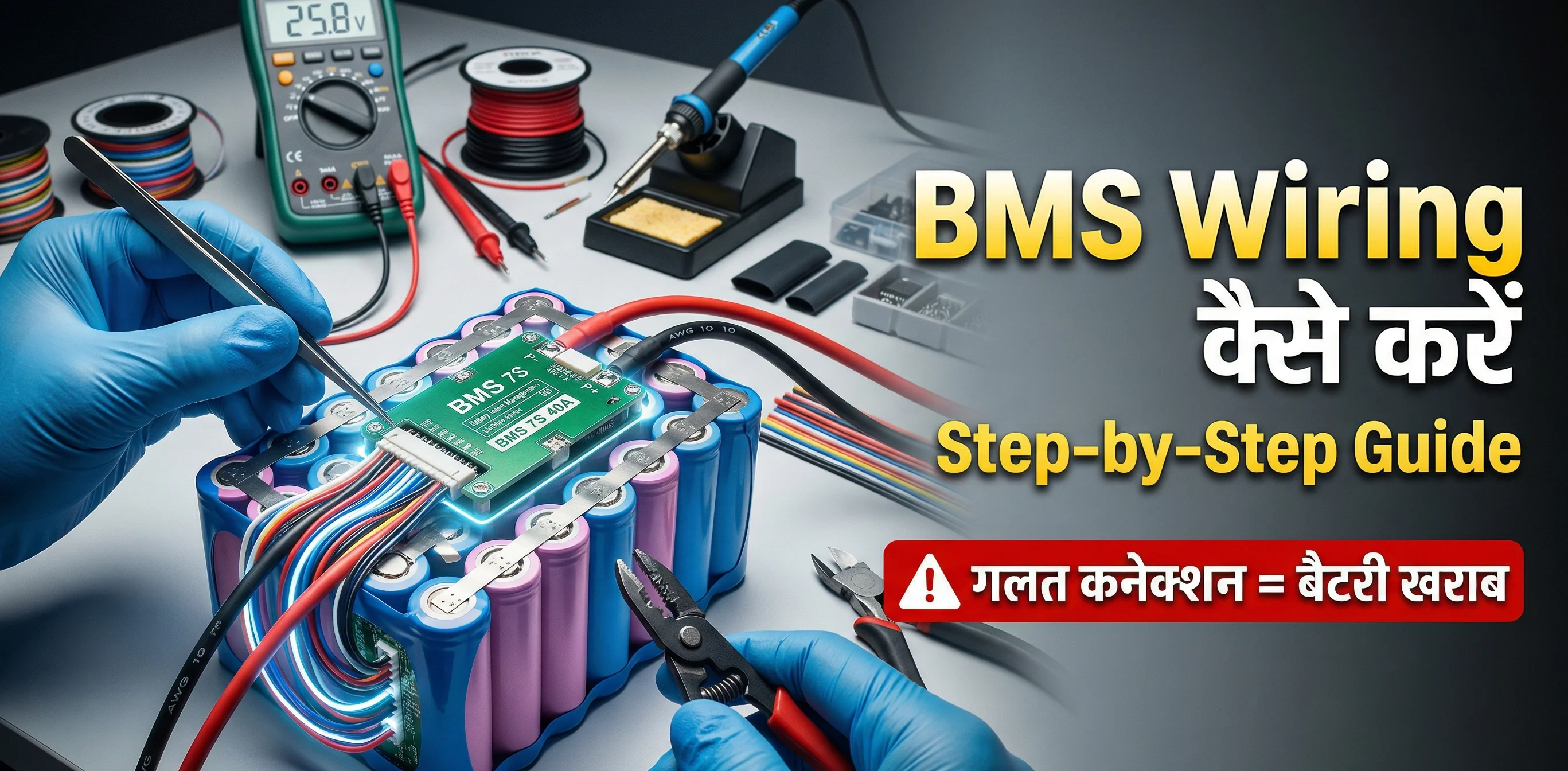
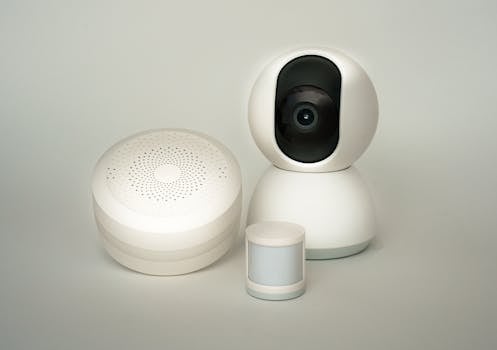
ESP32-CAM has revolutionized IoT projects by combining a powerful microcontroller with camera capabilities in a compact, affordable package. When enhanced with artificial intelligence, this module becomes capable of sophisticated object detection tasks that were previously limited to high-end computing systems. This Complete guide walks you through implementing AI-powered object recognition on your ESP32-CAM module.
Understanding the ESP32-CAM Module
The ESP32-CAM is built around the ESP32-S microcontroller, featuring dual-core processing, Wi-Fi, Bluetooth, and a camera interface. With its OV2640 camera sensor capable of 2MP resolution, the module captures images that serve as input for AI processing. The combination of computational power and camera functionality makes it ideal for embedded vision applications where size, cost, and power consumption are critical factors.
Handy Tools For You
Development Environment Setup
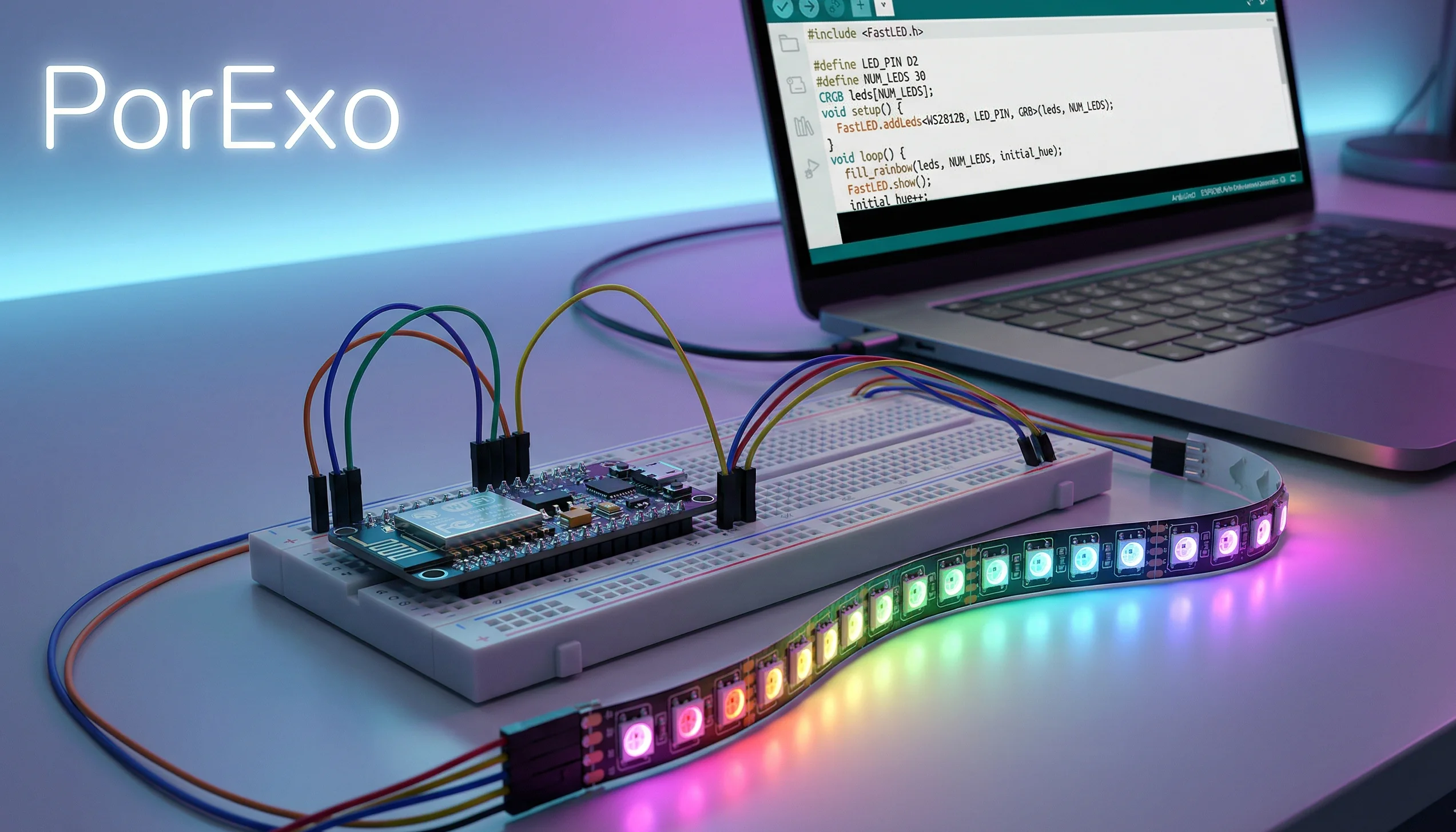
Proper setup is crucial for successful ESP32-CAM AI projects. Begin by installing the Arduino IDE and adding the ESP32 board support through the Board Manager. You'll need specific libraries including the ESP32 Camera library and TensorFlow Lite Micro for deploying machine learning models. Ensure you have the correct USB-to-UART adapter for programming, as the ESP32-CAM lacks a built-in USB interface.
// ESP32-CAM basic camera setup
#include "esp_camera.h"
#include "esp_timer.h"

// Camera configuration for OV2640
camera_config_t config;
config.ledc_channel = LEDC_CHANNEL_0;
config.ledc_timer = LEDC_TIMER_0;
config.pin_d0 = 5;
config.pin_d1 = 18;
config.pin_d2 = 19;
config.pin_d3 = 21;
config.pin_d4 = 36;
config.pin_d5 = 39;
config.pin_d6 = 34;
config.pin_d7 = 35;
config.pin_xclk = 0;
config.pin_pclk = 22;
config.pin_vsync = 25;
config.pin_href = 23;
config.pin_sscb_sda = 26;
config.pin_sscb_scl = 27;
config.pin_pwdn = 32;
config.pin_reset = -1;
config.xclk_freq_hz = 20000000;
config.pixel_format = PIXFORMAT_JPEG;
AI Model Training and Optimization
For object detection on resource-constrained devices like ESP32-CAM, model efficiency is paramount. Start by collecting and labeling a dataset specific to your detection requirements. Use TensorFlow or PyTorch to train a lightweight model, then convert it to TensorFlow Lite format. Consider quantization techniques to reduce model size while maintaining acceptable accuracy. Popular architectures like MobileNet SSD or YOLO Tiny are well-suited for embedded applications.
Model Integration with ESP32-CAM
Integrating your trained model involves converting it to a C array format that can be compiled with your Arduino sketch. The TensorFlow Lite Micro interpreter runs on the ESP32, processing camera frames through your model. Memory management is critical since the ESP32-CAM has limited RAM. Optimize your input resolution and model complexity to ensure smooth operation without memory overflow.
// Object detection inference setup
#include "tensorflow/lite/micro/all_ops_resolver.h"
#include "tensorflow/lite/micro/micro_interpreter.h"

// Initialize TensorFlow Lite model
const tflite::Model* model = tflite::GetModel(g_model);
static tflite::MicroInterpreter static_interpreter(
    model, resolver, tensor_arena, kTensorArenaSize);

// Run inference on captured frame
if (kTfLiteOk != interpreter->Invoke()) {
    Serial.println("Inference failed");
    return;
}

// Process detection results
TfLiteTensor* output = interpreter->output(0);
process_detections(output);
Real-Time Object Detection Testing
Once integrated, test your object detection system under various lighting conditions and angles. Monitor performance metrics including inference time, detection accuracy, and power consumption. Implement serial output to display detection results and confidence scores. For real-world deployment, consider adding connectivity features to stream detection results to cloud platforms or trigger actions based on detected objects.
Performance Optimization Tips
Maximize your ESP32-CAM's object detection performance by reducing input image resolution, using grayscale instead of color, and implementing frame skipping for less critical applications. Enable the ESP32's second core for parallel processing tasks and utilize deep sleep modes between detection cycles to conserve power in battery-operated scenarios.
📚 Read Next

What objects can ESP32-CAM detect with AI?
The ESP32-CAM can detect any objects it has been trained to recognize, typically including people, vehicles, animals, or specific items relevant to your application. The detection capability depends entirely on your training dataset and model architecture.
How accurate is ESP32-CAM object detection?
Accuracy varies based on model complexity, training data quality, and environmental conditions. With proper training, ESP32-CAM can achieve 70-85% accuracy for common objects, though this may decrease in challenging lighting or with complex scenes due to hardware limitations.
What is the maximum detection distance?
Detection distance depends on camera resolution, lens quality, object size, and lighting. Typically, the ESP32-CAM with OV2640 sensor can reliably detect medium-sized objects (like people or cars) up to 5-10 meters under good lighting conditions.
Can ESP32-CAM run multiple AI models simultaneously?
Due to memory constraints, running multiple complex models simultaneously is challenging. However, you can implement model switching or run very lightweight models in sequence. The ESP32-CAM typically has enough memory for one moderate-sized object detection model at a time.
How long does it take to train a custom object detection model?
Training time varies from hours to days depending on dataset size, model complexity, and hardware. For basic object detection with a few hundred images, expect 2-8 hours of training on a modern GPU. The model conversion and optimization for ESP32-CAM typically takes additional 1-2 hours.