If you're thinking about getting solar panels for your home, you've probably heard the term "high efficiency." It sounds good, but what does it actually mean for you? Let's break it down in simple terms.
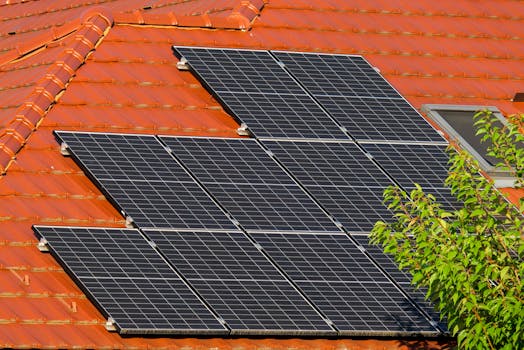
Think of a solar panel like a sponge for sunlight. A regular sponge soaks up some water, but a high-efficiency sponge is super absorbent—it soaks up a lot more water from the same amount of rain. High efficiency solar panels work the same way with sunlight. They are better at converting the sunlight that hits them into usable electricity for your home.
Why Should You Care About Efficiency?
Here are a few clear reasons why panel efficiency matters:
- You Get More Power from the Same Sun: A high-efficiency panel will generate more kilowatt-hours of electricity from the same sunny spot on your roof compared to a standard panel.
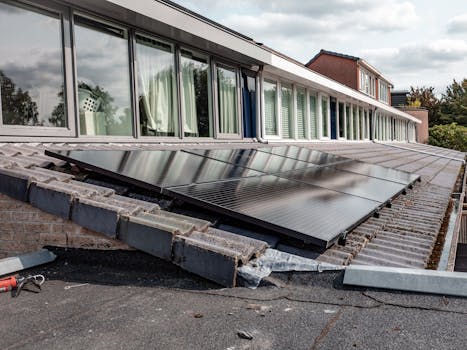
- Great for Smaller Roofs: If your roof space is limited, you can meet your energy needs with fewer panels if they are high-efficiency. You don't need to cover every single tile.
- Long-Term Savings: Because they produce more electricity, these panels can significantly reduce your monthly electricity bills over their 25+ year lifespan. The initial cost might be higher, but the payoff is often better.
- Maximizes Your Investment: You're installing a system to capture free energy from the sun. Choosing efficient panels helps you get the most out of that investment.
How is Efficiency Measured?
Efficiency is shown as a percentage. You'll see it on the panel's spec sheet. Here's what the numbers mean:
- Standard Panels: Typically range from 15% to 18% efficiency.
- High-Efficiency Panels: Usually start around 20% and can go up to 22% or more with the latest technology.
That might not seem like a huge difference, but over the entire system and across many years, those extra percentage points add up to a lot of extra power.
A Simple Comparison
Let's say you have space for 20 panels on your roof.
- With standard panels (17% efficiency), your system might produce about 6,800 kWh per year.
- With high-efficiency panels (21% efficiency), that same 20-panel system could produce around 8,400 kWh per year.
That's a substantial increase in free electricity without needing a single extra panel!
Things to Keep in Mind
High efficiency doesn't automatically mean it's the perfect choice for everyone. Consider these points:
- Cost: These panels are generally more expensive per panel. You need to calculate if the extra energy they'll produce justifies the higher upfront cost for your specific situation.
- Not the Only Factor: Panel efficiency is important, but also look at the manufacturer's warranty, the panel's durability in your climate, and the reputation of your installer. A slightly less efficient panel from a top-tier brand with a great warranty can sometimes be a smarter buy.
The goal is to find the right balance for your home, budget, and energy goals.
Frequently Asked Questions
Are high-efficiency solar panels worth the extra money?
It depends on your roof space and electricity bills. If you have a small roof or very high energy usage, they are often worth it because they produce more power in less space. For larger roofs, standard panels might be more cost-effective. It's best to get quotes for both options.
Do efficient panels work better on cloudy days?
All solar panels produce less power when it's cloudy. While some high-efficiency panels are slightly better at capturing diffuse light, the difference on cloudy days is usually minor. Their main advantage is in maximum sunlight conditions.
What's the most efficient solar panel available today?
Panel technology keeps improving. As of now, some monocrystalline panels from brands like SunPower, LG, and Panasonic are among the most efficient, with lab ratings above 22%. You can check the latest specs on manufacturer websites or trusted solar energy resources like the U.S. Department of Energy's guide.
Can I mix high and low efficiency panels on my roof?
It's technically possible but not recommended. Panels connected in a "string" should have similar electrical characteristics. Mixing different efficiencies can cause the entire string to perform at the level of the weakest panel, wasting the potential of the better ones. If you need to expand later, consult with your installer.
Choosing solar panels is a big decision. By understanding efficiency, you're in a much better position to ask the right questions and choose a system that will power your home happily for decades. For more tools to help with calculations, you can check out our Unit Converter or Compound Interest Calculator to model long-term savings.