Starting a small business in the United States can be an exciting and rewarding journey, but it requires careful planning and execution. This comprehensive guide will walk you through every step of the process, from initial idea to successful launch and beyond.
1. Market Research and Niche Identification
Before diving into any business venture, thorough market research is essential. This step helps you understand your target audience, competition, and market demand.
Key Research Areas:
- Target customer demographics and behavior
- Competitor analysis and market gaps
- Industry trends and growth potential
- Pricing strategies and customer expectations
Market Research Checklist:
- Define target market size
- Analyze competitor strengths/weaknesses
- Identify unique value proposition
- Determine pricing structure
- Assess regulatory requirements
- Evaluate location options (physical/digital)
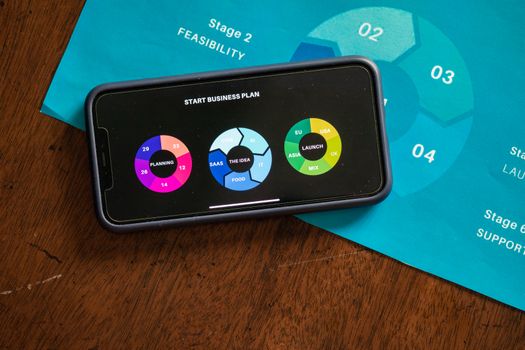
2. Business Plan Development
A comprehensive business plan serves as your roadmap and is crucial for securing funding and guiding your business decisions.
Essential Business Plan Components:
- Executive Summary
- Company Description
- Market Analysis
- Organization and Management Structure
- Products or Services Line
- Marketing and Sales Strategy
- Financial Projections
3. Business Registration and Legal Requirements
Proper registration ensures your business operates legally and protects your personal assets.
Registration Steps:
- Choose business structure (LLC, Corporation, Partnership, Sole Proprietorship)
- Register business name with state authorities
- Obtain Employer Identification Number (EIN) from IRS
- Apply for necessary business licenses and permits
- Register for state and local taxes
Legal Requirements Checklist:
- Business structure selection
- Business name registration
- EIN application
- Business license applications
- Zoning permits
- Professional licenses (if applicable)
- Trademark registration (optional)
4. Financial Setup and Funding
Establishing proper financial systems and securing adequate funding are critical for business sustainability.
Financial Considerations:
- Open business bank account
- Set up accounting system
- Secure business insurance
- Explore funding options (loans, investors, grants)
- Create cash flow projections
5. Brand Building and Marketing
Developing a strong brand and effective marketing strategy helps attract and retain customers.
Marketing Strategies:
- Develop brand identity (logo, colors, messaging)
- Create professional website and social media presence
- Implement digital marketing campaigns
- Network with local business communities
- Develop customer referral programs
Marketing Launch Checklist:
- Brand identity development
- Website creation and optimization
- Social media account setup
- Email marketing system
- Local business directory listings
- Launch promotion strategy
- Customer acquisition plan
6. Operations and Growth
Once launched, focus on efficient operations and strategic growth to build a sustainable business.
Operational Considerations:
- Establish efficient workflows and processes
- Implement customer service standards
- Monitor key performance indicators (KPIs)
- Plan for scalability and expansion
- Continuously gather customer feedback
Frequently Asked Questions
📚 Read Next



How much does it cost to start a small business in the USA?
Startup costs vary widely depending on the industry and business type. Home-based businesses might start with as little as $2,000-$5,000, while retail stores or restaurants can require $50,000-$100,000 or more. Create a detailed budget during your business planning phase.
What is the best business structure for a small business?
LLC (Limited Liability Company) is often recommended for small businesses because it provides personal asset protection while offering tax flexibility and simpler administration compared to corporations. However, consult with a business attorney or accountant to determine the best structure for your specific situation.
Do I need a business license to operate?
Most businesses require some form of license or permit to operate legally. Requirements vary by location, industry, and business activities. Check with your local city/county clerk's office, state business registration agency, and industry-specific regulatory bodies.
How long does it take to start a small business?
The timeline can range from a few weeks to several months. Simple home-based businesses might be operational within 2-4 weeks, while businesses requiring specialized licenses, physical locations, or complex registrations can take 3-6 months or longer.
What funding options are available for new small businesses?
Common funding sources include personal savings, small business loans (SBA loans), business credit cards, angel investors, venture capital, crowdfunding, and small business grants. Each option has different requirements and implications for your business.
Next Steps
Starting a small business requires dedication, planning, and persistence. Use this guide as your foundation, but remember to seek professional advice when needed and adapt your strategy based on market feedback and changing circumstances. The Small Business Administration (SBA) offers excellent resources and counseling services to help entrepreneurs succeed.