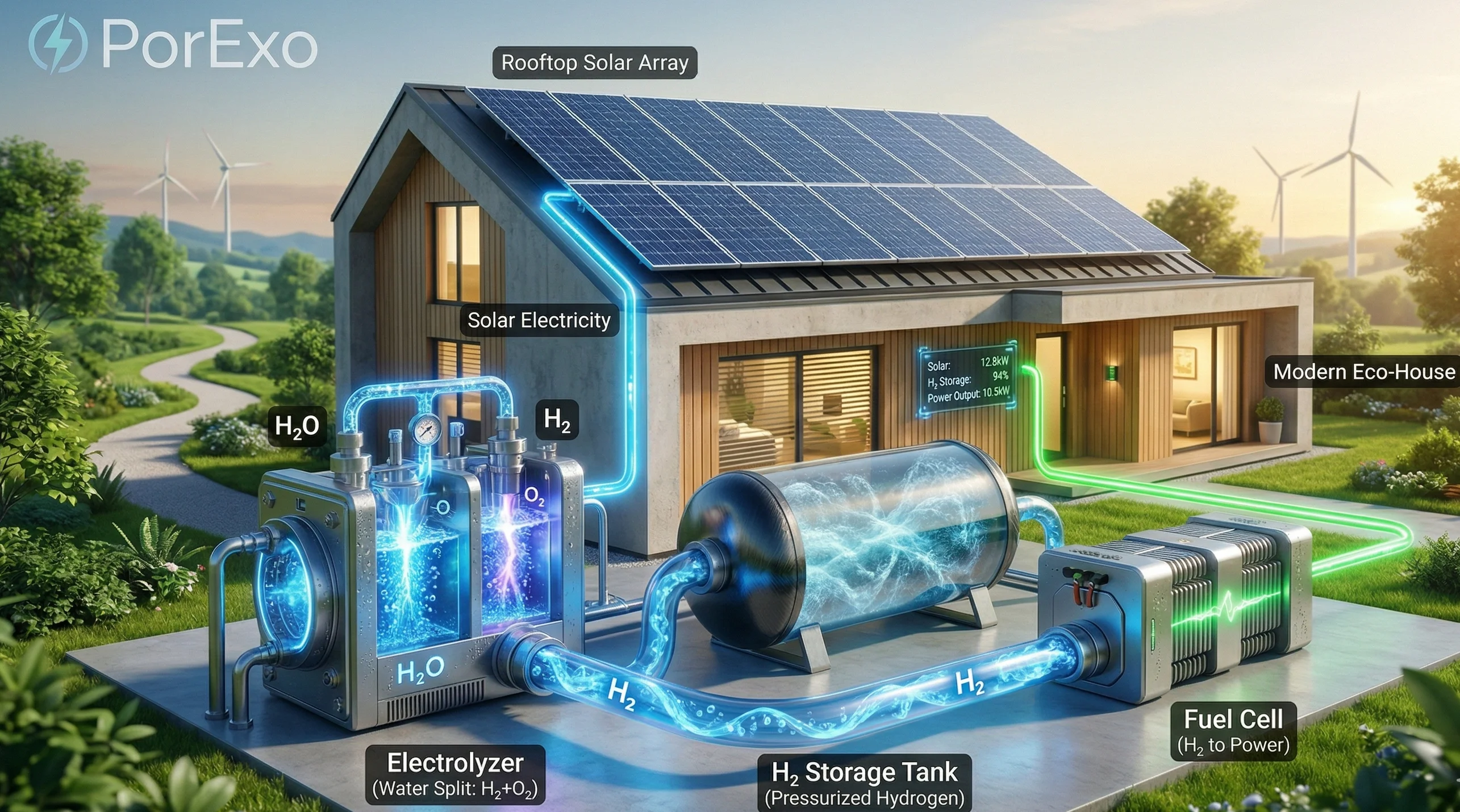
By the year 2025, the real estate market is expected to undergo significant transformations driven by technological advancements, demographic shifts, and evolving consumer preferences. This comprehensive guide explores the key trends, opportunities, and challenges that will shape the property landscape in the coming years.
Major Market Drivers
Several powerful forces are converging to reshape real estate markets globally:
- Technology Integration: AI, IoT, and smart home technologies becoming standard in property development
- Sustainability Focus: Green buildings and energy-efficient designs gaining premium value
- Remote Work Revolution: Changing residential preferences and commercial space requirements
- Demographic Changes: Millennial and Gen Z homebuying patterns influencing market dynamics
Residential Real Estate Trends
Urban vs. Suburban Shifts
The post-pandemic preference for suburban living continues, but with a new twist - hybrid urban-suburban models are emerging where residents maintain connections to city amenities while enjoying suburban space.
Smart Home Integration
By 2025, smart home features will transition from luxury to standard expectation:
{
  "standard_features": [
    "automated_lighting",
    "smart_thermostats",
    "security_systems",
    "energy_monitoring",
    "voice_control_integration"
  ],
  "premium_features": [
    "predictive_maintenance",
    "ai_assisted_living",
    "sustainability_optimization"
  ]
}
Commercial Real Estate Evolution
Office Space Transformation
The traditional office model is being replaced by flexible, hybrid workspaces that prioritize collaboration and employee well-being over mere occupancy.
Retail Reinvention
Physical retail spaces are evolving into experience centers and fulfillment hubs, blending online and offline shopping experiences.
Investment Opportunities
- PropTech Startups: Technology companies disrupting traditional real estate services
- Sustainable Developments: Green-certified properties commanding premium returns
- Affordable Housing: Government incentives creating opportunities in this segment
- Mixed-Use Developments: Integrated residential-commercial projects gaining popularity
Regional Market Variations
Different markets will experience these trends at varying paces and intensities:
North America
Strong focus on suburban redevelopment and smart city initiatives
Europe
Emphasis on sustainability regulations and historic preservation integration
Asia-Pacific
Rapid urbanization coupled with technological leapfrogging in property development
Technology Impact Analysis
# Real Estate Technology Adoption Timeline
2023-2024: Virtual tours & digital transactions become mainstream
2024-2025: AI-powered valuation models gain accuracy
2025-2026: Blockchain for property records sees wider adoption
2026+: Predictive analytics for market forecasting matures
Frequently Asked Questions
📚 Read Next
What are the most promising real estate sectors for investment in 2025?
Sustainable developments, technology-enabled properties, and affordable housing are expected to deliver strong returns due to regulatory support and growing consumer demand.
How will interest rates affect the 2025 real estate market?
While interest rates may remain elevated compared to the 2020-2022 period, they're expected to stabilize, making long-term planning more predictable for both buyers and developers.
What technologies will have the biggest impact on real estate by 2025?
Artificial intelligence for property valuation, virtual reality for remote viewing, and smart building technologies for energy management will be the most transformative technologies.
How is the commercial real estate sector adapting to remote work trends?
Commercial developers are creating more flexible office spaces with enhanced amenities, focusing on collaboration areas rather than individual desks, and incorporating wellness features.
Strategic Recommendations
To succeed in the 2025 real estate market, stakeholders should focus on technology adoption, sustainability practices, and flexibility in property usage. Both investors and developers need to anticipate changing consumer preferences and regulatory requirements while maintaining a long-term perspective on market cycles.