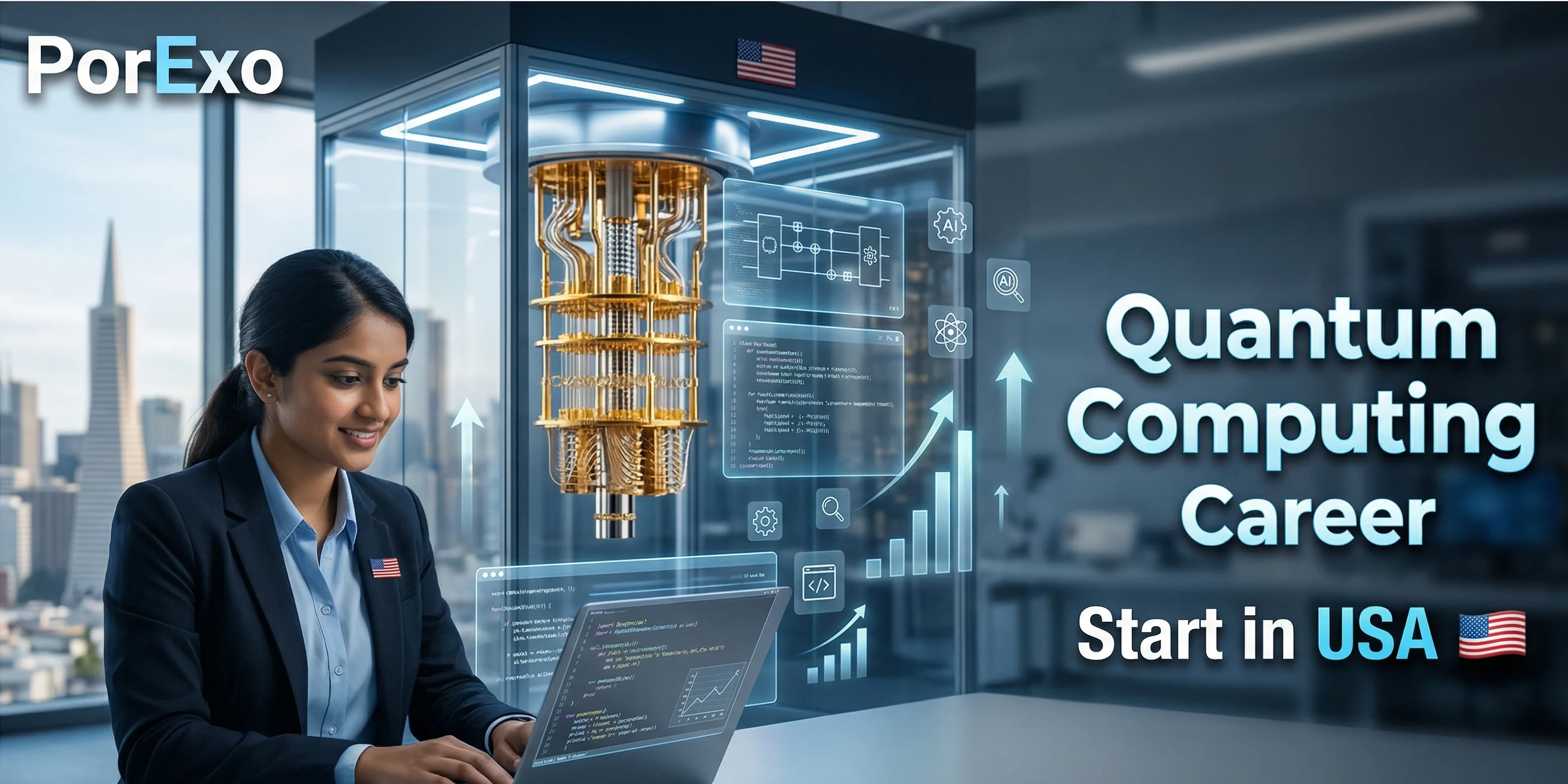
Thinking about a career in quantum computing? It's an exciting field that's growing fast, especially in the USA. It might seem complex, but you can break it down into clear steps. Here’s a friendly guide to help you get started.
First, Build Your Foundation
Quantum computing sits at the intersection of physics, computer science, and math. Before you jump into the quantum part, you need a strong base.
- Computer Science: Get comfortable with programming. Python is a great place to start because it's widely used in scientific computing and quantum software development. Understanding algorithms and data structures is also key.
- Mathematics: Focus on linear algebra, calculus, and probability. These are the languages that describe how quantum systems work.
You don't need to be an expert in everything right away, but these subjects are your toolkit.
Learn the Quantum Concepts
Once your foundation is solid, you can start learning what makes quantum computing different. The core ideas are things like qubits, superposition, and entanglement.
A great way to learn is through online courses and platforms. For example, you can find introductory courses on edX or Coursera. Many are free to audit.
You can also practice with software development kits (SDKs) from companies leading the charge. Here’s a simple example of how you might start a quantum circuit using Qiskit, a popular open-source framework:
# Import the necessary modules from Qiskit
from qiskit import QuantumCircuit, Aer, execute

# Create a quantum circuit with 2 qubits
qc = QuantumCircuit(2)

# Apply a Hadamard gate to the first qubit (creates superposition)
qc.h(0)

# Apply a CNOT gate (creates entanglement between qubit 0 and 1)
qc.cx(0, 1)

# Draw the circuit
print(qc.draw())

# Simulate the circuit
simulator = Aer.get_backend('statevector_simulator')
result = execute(qc, simulator).result()
statevector = result.get_statevector()
print(f"Final state vector: {statevector}")
Get Hands-On Experience
Reading and coding tutorials is one thing, but real experience is what counts. Look for these opportunities:
- Internships: Many tech companies and national labs in the USA offer quantum computing internships. Check the career pages of companies like IBM, Google, Microsoft, and startups like Rigetti.
- Research Projects: If you're at a university, see if any professors are working on quantum research. Joining a project, even in a small role, is incredibly valuable.
- Open Source: Contribute to open-source quantum software projects on GitHub. It’s a fantastic way to learn from others and build a portfolio.
Connect with People and Stay Updated
This field changes quickly. Networking helps you learn and find opportunities.
- Follow researchers and companies on social media.
- Attend virtual or in-person meetups and conferences.
- Read blogs and papers from places like the arXiv preprint server.
Remember, you're not expected to know everything. Being curious and willing to learn is the most important part.
Consider Further Education
For many deep research or advanced engineering roles, a graduate degree (Master's or PhD) is very helpful. Specialized certifications from platforms like our own Porexo Tools collection can also supplement your skills, especially in areas like data analysis or algorithm design that support quantum work.
Frequently Asked Questions
📚 Read Next

Do I need a PhD to work in quantum computing?
Not necessarily. While a PhD is common for core research scientists, there are many roles in software engineering, applications development, and technical writing where a strong Bachelor's or Master's degree, combined with specific quantum skills, is sufficient.
What programming language should I learn first?
Start with Python. It's the most common language used in quantum programming frameworks (like Qiskit and Cirq) due to its simplicity and powerful libraries for math and science.
How long does it take to get a job in this field?
It varies. If you have a strong background in CS and physics, you might be able to transition with 6-12 months of dedicated study and project work. For others, it might involve a full graduate program lasting 2+ years. Building a portfolio of projects is the best way to show employers you're ready.
Are there tools to help me practice or visualize concepts?
Absolutely! Besides quantum SDKs, general-purpose tools can be very helpful. For example, you might use a JSON Formatter to work with configuration files for quantum simulators, or a Unit Converter for scientific calculations.