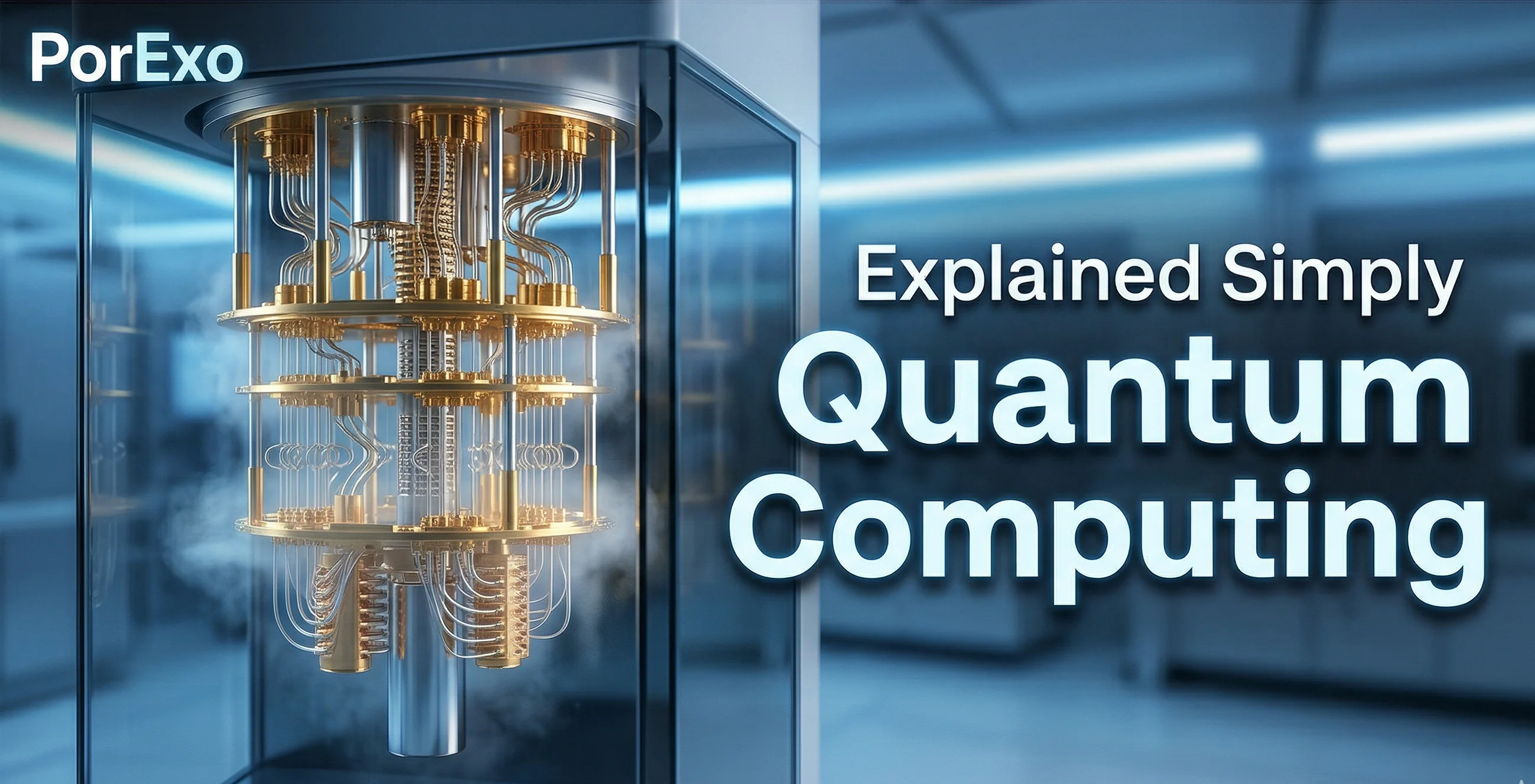
Let's break down quantum computing. Think of a regular computer you use every day. It works with bits, which are like tiny switches that can be either OFF (0) or ON (1). Every app, photo, and website is built from long strings of these 0s and 1s.
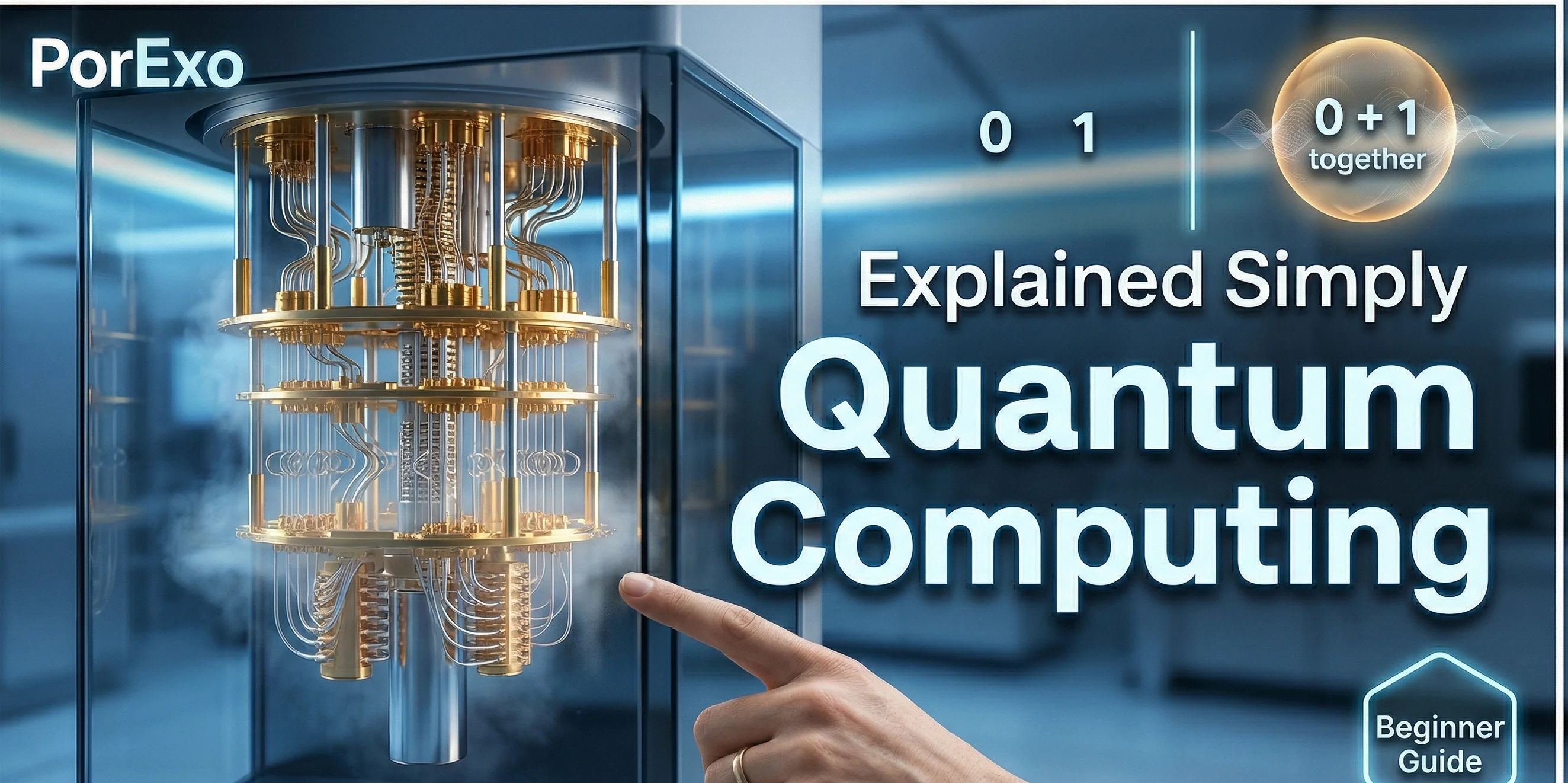
A quantum computer works differently. Instead of regular bits, it uses quantum bits, or qubits. Here’s the simple, mind-bending part: a qubit can be a 0, a 1, or both at the same time. This ability is called superposition.
Imagine you’re in a maze. A regular computer would try each path one by one. A quantum computer, because its qubits can explore many states at once, could look down all the paths simultaneously. This lets it solve certain types of very complex puzzles—like simulating molecules for new medicines or optimizing huge delivery routes—much, much faster than today's best supercomputers.
Another key trick is entanglement. It’s a strange connection where two qubits become linked. Change the state of one, and the other instantly changes too, no matter how far apart they are. This link helps quantum computers process information in powerful new ways.
The Big Ideas
- Qubits, not bits: They can be 0, 1, or both (superposition).
- Massive Parallelism: This lets them test many solutions at once.
- Entanglement: A weird quantum link that connects qubits.
- Specialized Power: They won’t replace your laptop for browsing or writing documents. They’re for specific, incredibly complex tasks in science, cryptography, and logistics.
Right now, building stable quantum computers is a huge engineering challenge (qubits are very fragile!), but the progress is exciting. It’s a whole new way of thinking about processing information.
If you're interested in the math and logic behind computing, you might enjoy our JSON Formatter tool to see how data is structured classically, or our Password Generator to understand modern digital security.
Frequently Asked Questions
📚 Read Next

Can I buy a quantum computer for my home?
Not anytime soon. Today's quantum computers are massive, require super-cold temperatures near absolute zero, and are mainly used by researchers and large companies via the cloud.
Will quantum computers break all encryption?
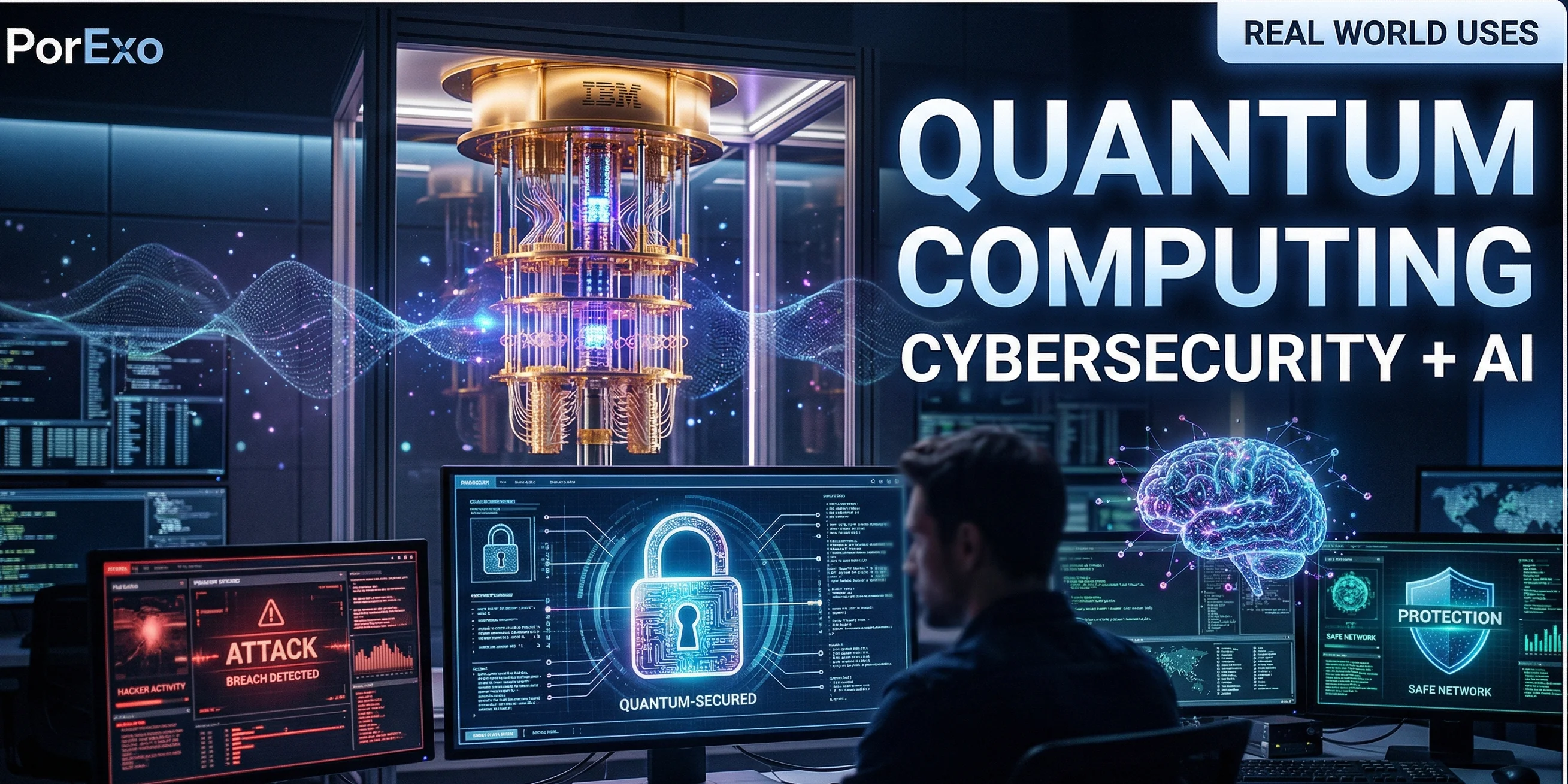
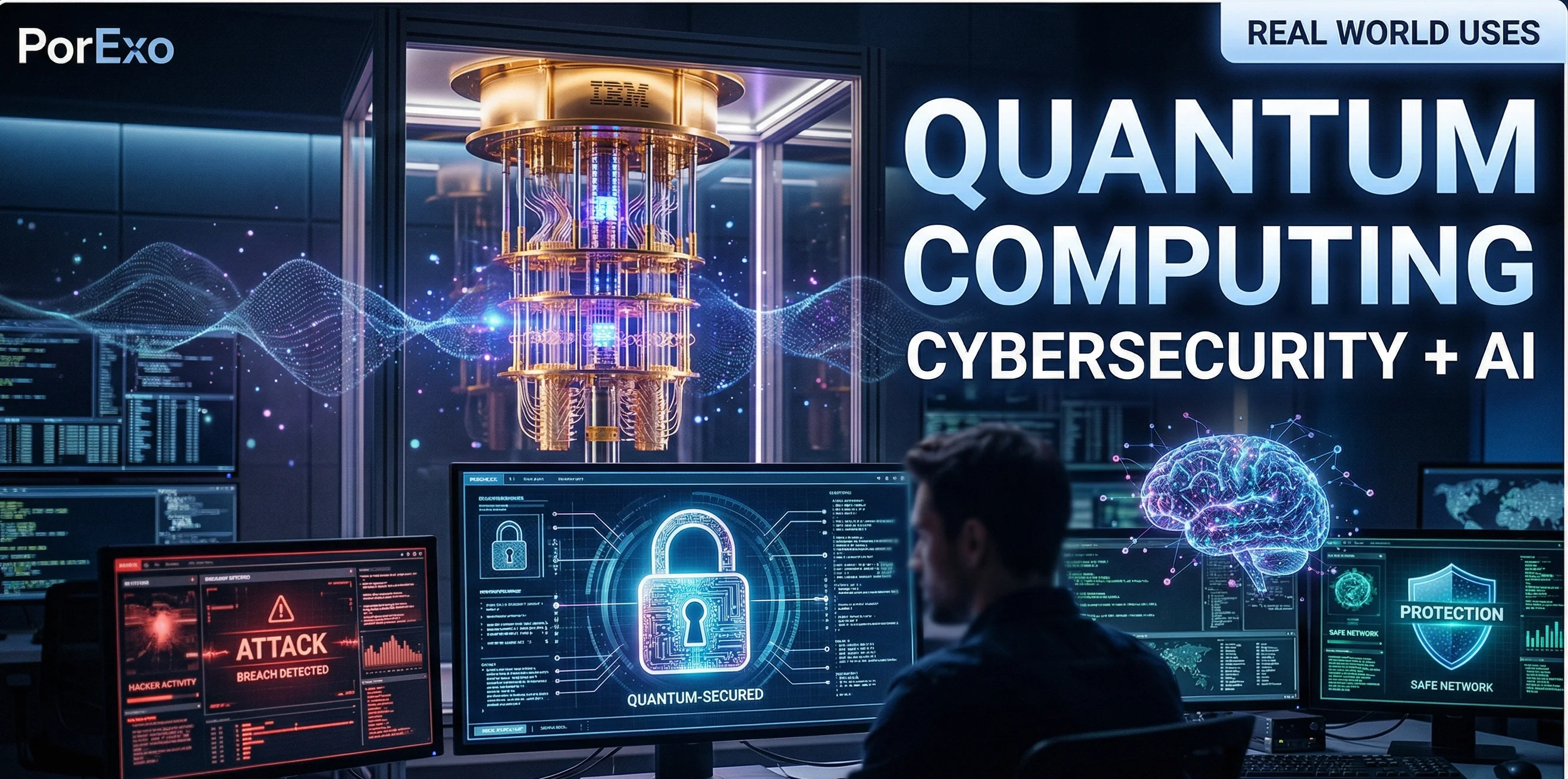
They could break much of today's standard encryption, which is why scientists are already working on new "post-quantum" cryptography to stay ahead. It's a race between building quantum computers and building quantum-resistant security.
What's a simple real-world problem it could solve?
A great example is fertilizer production. The process to make ammonia (for fertilizer) uses a huge amount of energy. Quantum computers could help simulate and find a more efficient catalyst, potentially saving massive amounts of global energy. For more everyday calculations, like interest or body mass index, you can use our Compound Interest Calculator or BMI Calculator.
To learn more about the current state of quantum technology, a great external resource is the Google Quantum AI website, which shares their research and progress in an accessible way.