Building your own gaming PC is more than just a cost-effective alternative to pre-built systems—it's a deeply rewarding journey that results in a machine perfectly tailored to your gaming preferences, performance requirements, and aesthetic vision. This Complete guide walks you through the entire process, from selecting components to final optimization, ensuring you create a powerful gaming rig that delivers exceptional performance.
Essential Components for Your Gaming PC
Every successful PC build begins with careful component selection. The foundation of your gaming experience depends on choosing parts that work harmoniously together while meeting your performance expectations and budget constraints.
Core Components: Start with a powerful CPU (Central Processing Unit) that can handle modern game engines. For gaming, focus on processors with high clock speeds and strong single-core performance. Pair this with a capable GPU (Graphics Processing Unit)—the most critical component for gaming visuals and frame rates. Consider your target resolution and refresh rate when selecting a graphics card.
Supporting Hardware: Don't overlook the importance of fast RAM (16GB minimum for modern gaming), adequate storage (NVMe SSDs for operating system and games, with HDDs for mass storage), a reliable power supply with sufficient wattage, and a motherboard that supports your chosen components while offering room for future upgrades.
Step-by-Step Assembly Process
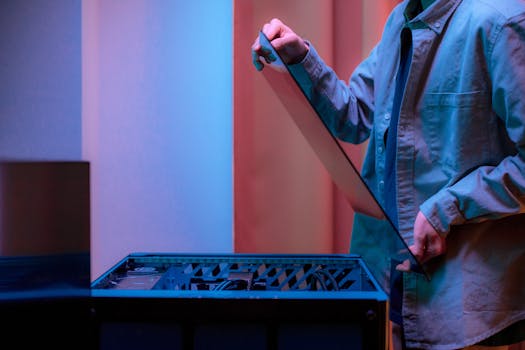
Proper assembly is crucial for system stability and longevity. Begin by preparing your workspace with adequate lighting, anti-static precautions, and all necessary tools.
1. Install CPU, RAM, and M.2 storage on motherboard first
2. Mount power supply in case
3. Install motherboard I/O shield
4. Secure motherboard in case with standoffs
5. Connect case front panel connectors
6. Install graphics card in PCIe slot
7. Connect all power cables (24-pin, CPU, GPU)
8. Route cables neatly for optimal airflow
9. Install storage drives
10. Connect case fans and configure airflow
Take your time during assembly, double-checking each connection. Refer to your motherboard manual for specific header locations and proper installation procedures. Cable management isn't just about aesthetics—proper routing ensures optimal airflow and system cooling.
Software Installation and Optimization
Once hardware assembly is complete, the software setup begins. Create a bootable USB drive with your preferred operating system (Windows 10/11 being the most common for gaming).
1. Install motherboard chipset drivers
2. Install graphics card drivers
3. Install network/Wi-Fi drivers
4. Install audio drivers
5. Install peripheral software
6. Update BIOS if necessary
7. Install monitoring software (HWInfo, MSI Afterburner)
8. Configure Windows for performance
After driver installation, optimize your system for gaming by adjusting power settings to high performance, disabling unnecessary startup programs, and configuring your graphics control panel for optimal game performance. Install essential gaming platforms like Steam, Epic Games, or GOG to access your game library.
Customization and Cooling Solutions
Personalize your build with RGB lighting, custom cooling solutions, and aesthetic modifications. Consider aftermarket CPU coolers for better thermal performance, additional case fans for improved airflow, and cable extensions for cleaner aesthetics. Monitor your system temperatures during gaming sessions to ensure your cooling solution is adequate.
Regular maintenance, including dust cleaning and thermal paste replacement every 1-2 years, will keep your custom gaming PC performing at its best for years to come. The satisfaction of gaming on a system you built yourself is unmatched, and the knowledge gained empowers you to upgrade and maintain your PC as technology evolves.
📚 Read Next




How much does it cost to build a gaming PC?
Gaming PC costs range from $600 for entry-level 1080p gaming to $2,000+ for high-end 4K systems. Mid-range builds offering excellent 1440p performance typically cost $1,000-$1,500. The final cost depends on component selection, current market prices, and your performance targets.
What tools do I need to build a gaming PC?
Essential tools include a Phillips head screwdriver, anti-static wrist strap, zip ties for cable management, thermal paste, and adequate workspace lighting. Optional but helpful tools include magnetic parts trays, needle-nose pliers, and a flashlight for inspecting connections in tight spaces.
How long does it take to build a gaming PC?
First-time builders should allocate 3-6 hours for assembly and basic software setup. Experienced builders can complete the process in 1-2 hours. Take your time—rushing increases the risk of mistakes that could damage components or affect performance.
Is building a PC cheaper than buying pre-built?
Generally yes, as you avoid manufacturer markup and can selectively allocate your budget to components that matter most for gaming. During component shortages, pre-built systems may occasionally offer better value, but building typically provides superior price-to-performance ratio and customization options.
What should I do if my PC won't turn on after assembly?
First, check that the power supply switch is on and all power connections are secure. Verify the front panel connectors are properly installed according to your motherboard manual. Ensure RAM is fully seated and try booting with minimal components (CPU, one RAM stick, motherboard). If issues persist, consult motherboard diagnostic LEDs or codes.