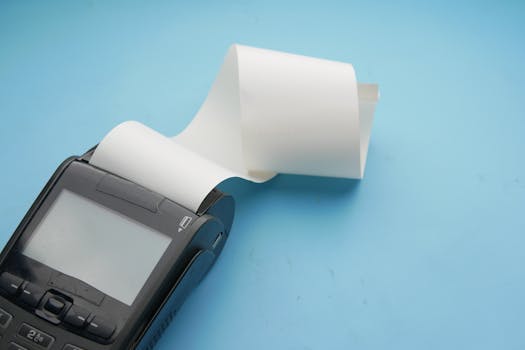
Thermal printers represent a specialized category of printing technology that has revolutionized various industries by offering efficient, reliable, and high-quality printing solutions. Unlike traditional inkjet or laser printers that use ink or toner, thermal printers utilize heat to create images and text on specially designed media. This innovative approach has made them indispensable in environments where speed, reliability, and low maintenance are paramount.
How Thermal Printing Technology Works
At the core of thermal printing lies a simple yet brilliant principle: controlled heat application to create visible marks. Thermal printers contain a print head with numerous tiny heating elements that can be individually controlled. When these elements heat up in specific patterns, they interact with thermal-sensitive paper or thermal transfer ribbons to produce the desired output. The precision of this heating process allows for exceptionally sharp text and high-resolution graphics, making thermal printing ideal for barcodes, labels, and detailed receipts.
Handy Tools For You
Direct Thermal vs. Thermal Transfer: Two Distinct Approaches
Direct Thermal Printing
Direct thermal printing works by applying heat directly to heat-sensitive paper, causing a chemical reaction that produces the image. This method requires no ribbons, inks, or toners, making it exceptionally clean and low-maintenance. However, direct thermal prints can fade over time when exposed to heat, light, or chemicals, making them suitable for temporary applications like receipts, tickets, and short-term labels.
Thermal Transfer Printing
Thermal transfer printing uses a heated print head to melt a wax or resin-based ink from a ribbon onto the printing surface. This creates a more durable, long-lasting image that resists fading, smudging, and environmental factors. Thermal transfer is ideal for applications requiring permanence, such as shipping labels, asset tags, and product identification that must withstand harsh conditions.
Key Advantages of Thermal Printing Technology
Thermal printers offer numerous benefits that explain their widespread adoption across multiple industries. Their exceptional speed enables rapid printing of receipts and labels, significantly reducing wait times in high-volume environments. The mechanical simplicity of thermal printers results in fewer moving parts, translating to reduced maintenance requirements and higher reliability. Additionally, thermal printing produces consistently high-quality output with sharp text and precise barcodes essential for scanning accuracy.
The quiet operation of thermal printers makes them suitable for customer-facing environments, while their compact designs save valuable counter space. From an environmental perspective, thermal printers generate less waste than traditional printing methods, as they don't require ink cartridges or toner replacements.
Industry Applications and Use Cases
Thermal printers have found critical applications across numerous sectors. In retail and hospitality, they provide fast, reliable receipt printing at point-of-sale systems. Logistics and shipping companies rely on thermal printers for generating durable shipping labels, packing slips, and tracking information. Healthcare facilities utilize thermal printing for patient wristbands, prescription labels, and medical reports where accuracy and clarity are essential.
Manufacturing and warehouse operations employ thermal printers for inventory management, asset tracking, and compliance labeling. The entertainment industry depends on thermal printers for ticket printing at venues and events, while food service establishments use them for kitchen order tickets and delivery labels.
// Example thermal printer configuration
{
  "printerType": "thermal-transfer",
  "resolution": "203dpi",
  "printWidth": "4 inches",
  "mediaType": "synthetic-labels",
  "ribbonType": "wax-resin",
  "printSpeed": "6 inches/second",
  "darknessLevel": "medium"
}
FAQs: Thermal Printer Questions Answered
📚 Read Next




What is the typical lifespan of a thermal print head?
Thermal print heads typically last between 30 and 50 kilometers of printing, depending on usage patterns, media quality, and maintenance. Regular cleaning and using high-quality media can extend print head life significantly.
Can thermal printers print in color?
While most thermal printers are monochrome, specialized color thermal printers exist that use multiple colored ribbons to create color images. However, these are less common and typically used for specific applications like medical imaging or specialty labeling.
Are thermal prints durable and long-lasting?
Durability depends on the printing method. Direct thermal prints may fade within months when exposed to heat or light, while thermal transfer prints can last for years and resist environmental factors like moisture, chemicals, and abrasion.
What maintenance do thermal printers require?
Thermal printers require minimal maintenance compared to traditional printers. Regular cleaning of the print head with isopropyl alcohol and replacement of consumables (ribbons for thermal transfer) are the primary maintenance tasks. Keeping the printer free of dust and debris also ensures optimal performance.
Can thermal printers connect to mobile devices?
Yes, many modern thermal printers offer Bluetooth, Wi-Fi, or USB connectivity, allowing them to work with smartphones, tablets, and other mobile devices. This makes them ideal for mobile point-of-sale systems, field service applications, and on-the-go labeling needs.