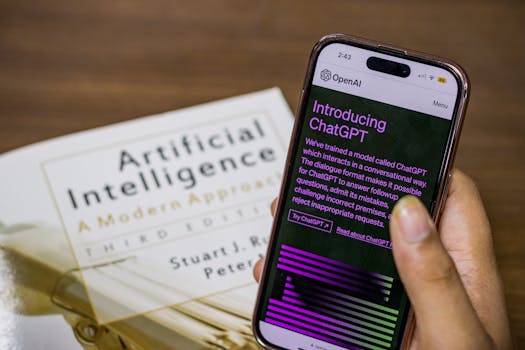
Artificial Intelligence (AI) is becoming a helpful tool in classrooms, offering new ways for teachers to support their students and manage their workload. It's not about replacing teachers, but about giving them more time and better information to do what they do best: teach.
How AI Can Help in the Classroom
Think of AI as a smart assistant that can handle repetitive jobs and provide useful insights. Here are a few practical ways it can help:
- Personalize Learning: AI can look at how a student is doing and suggest different activities or resources that match their pace and style of learning. This helps make sure no student gets left behind or feels bored.
- Save Time on Admin Work: Grading multiple-choice quizzes, taking attendance, or organizing schedules can take up a lot of time. AI tools can automate these tasks, freeing up hours for lesson planning and one-on-one time with students.
- Spot Students Who Need Help: By analyzing grades and participation, AI can gently flag students who might be struggling early on. This allows teachers to step in with support right when it's needed.
- Make Lessons More Interactive: From creating quick quizzes to suggesting educational videos or simulations, AI can help make learning more engaging and fun for students.
A Simple Example: Using an AI-Powered Quiz Generator
Let's say you want to create a quick review quiz on a history chapter. Instead of writing all the questions yourself, you could use a tool that takes your notes and generates questions for you. Here's a basic idea of how that might work behind the scenes:
# A simplified example of an AI helper for quiz generation
import random

class QuizGenerator:
    def __init__(self, topic_notes):
        self.notes = topic_notes

    def generate_question(self):
        # In a real AI tool, this would use a language model.
        # Here, we just pick a random sentence from the notes.
        key_fact = random.choice(self.notes)
        question = f"Which of these is true about {key_fact.split()[0]}?"
        options = [key_fact, "Option B", "Option C", "Option D"]
        random.shuffle(options)
        return {"question": question, "options": options, "answer": key_fact}

# Teacher's notes on a topic
my_notes = [
    "The Magna Carta was signed in 1215.",
    "World War II ended in 1945.",
    "Photosynthesis converts light energy to chemical energy."
]

# Create a quiz helper
my_quiz_helper = QuizGenerator(my_notes)

# Generate one sample question
sample_q = my_quiz_helper.generate_question()
print("Question:", sample_q["question"])
print("Options:", sample_q["options"])
print("Correct Answer:", sample_q["answer"])
In reality, the tools you'd use are much more advanced and user-friendly. For instance, you might use a quiz maker tool or an AI-powered text editor to help draft lesson content quickly.
Getting Started is Easier Than You Think
You don't need to be a tech expert. Many AI tools for education are designed to be simple. You can start with one thing, like using a word counter and readability checker to make sure your handouts are clear, or a password generator to quickly create secure logins for new classroom apps.
The goal is to reduce your stress, not add to it. Pick one small task you find tedious and see if there's a tool that can help with it.
Frequently Asked Questions
📚 Read Next




Will AI replace teachers?
No, not at all. AI is a tool to assist teachers. It can handle repetitive tasks and provide data, but the human connection, mentorship, and adaptability of a real teacher are irreplaceable. AI helps teachers focus more on these human aspects.
Are these AI tools expensive for schools?
Many great tools offer free versions or trials that are perfect for getting started. There are also free, general-purpose tools like a unit converter for science classes or an image to PDF converter for organizing materials that can be useful right away.
I'm not tech-savvy. Is it hard to learn?
Most new tools are built to be as easy to use as a website or a phone app. The best approach is to start with one simple tool that solves a clear problem. Many teachers find that once they try one, they get curious about others.
Where can I find these AI tools?
You can explore educational technology websites or app stores. For common tasks like creating visuals, you might check out a meme generator for fun classroom engagement or a background remover to clean up images for presentations. You can also browse a full collection of helpful online tools for various tasks.