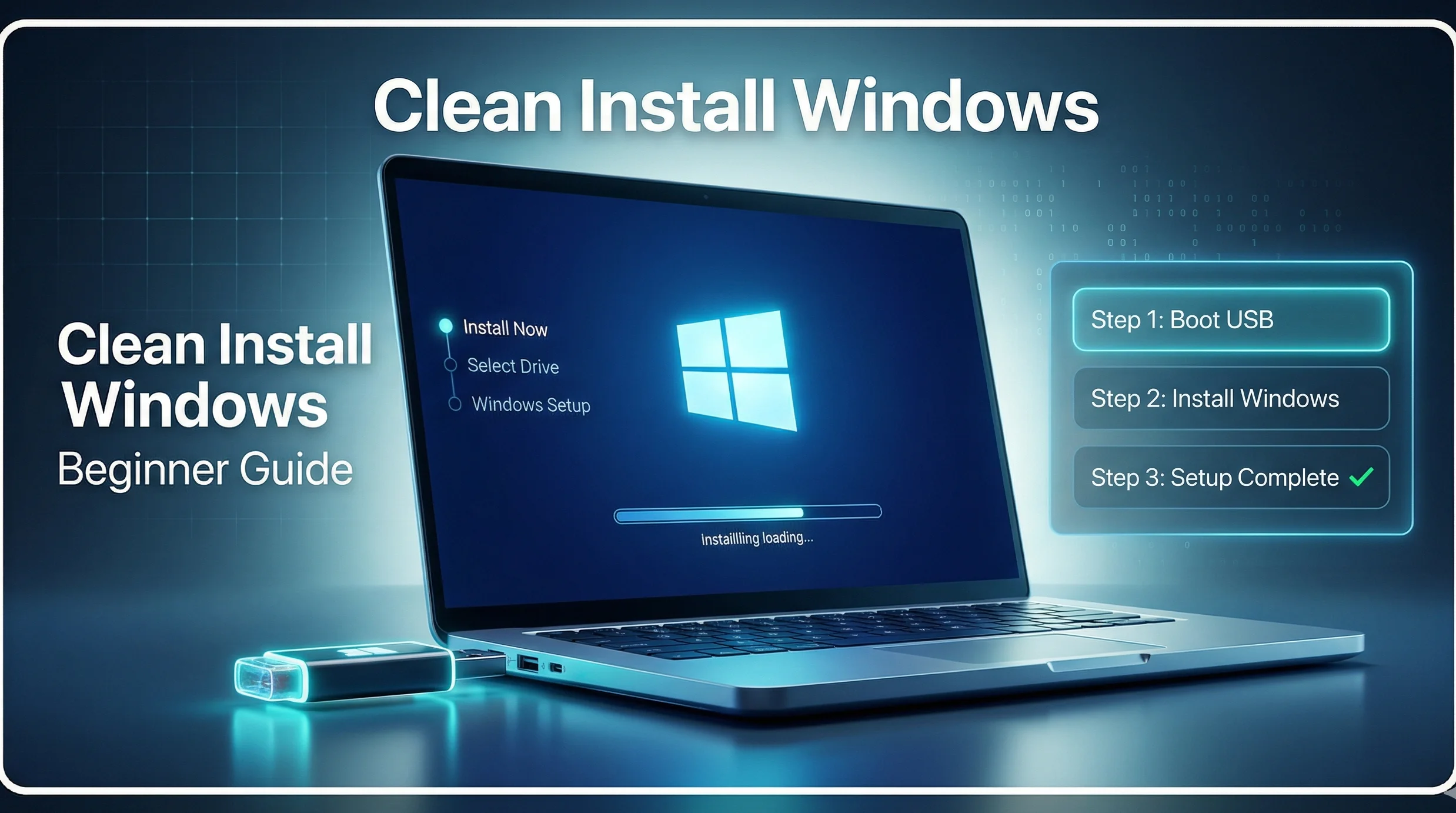
Keeping your computer's drivers up to date can feel like a chore. But it's important—it helps your printer, graphics card, and other hardware work smoothly with Windows. The good news is, you can set things up so Windows handles a lot of this for you. Let's walk through the main ways to get drivers installed automatically.
Let Windows Update Do the Work
This is the easiest and safest place to start. Windows Update doesn't just get security patches; it also finds and installs drivers for many common devices.
- Click the Start button and type "Check for updates". Select the Check for updates option.
- Windows will search for updates. If it finds driver updates, it will list them under "Optional updates" or install them automatically.
- To see optional driver updates, click Advanced options > Optional updates. Here, you can select which drivers to install.
Think of this as your computer's built-in mechanic. It knows a lot about common parts and can often find the right software for them.
Use Device Manager for Specific Hardware
If a specific piece of hardware isn't working right (you might see a yellow exclamation mark in Device Manager), you can ask Windows to find a driver for just that device.
1. Right-click the Start button and select "Device Manager".
2. Find the device with the issue (like "Display adapters" or "Other devices").
3. Right-click the device name and choose "Update driver".
4. Select "Search automatically for updated driver software".
5. Windows will look online and install the driver if it finds one.
This is like pointing the mechanic directly at the squeaky wheel instead of checking the whole car.
Enable Automatic Driver Downloads in Settings
You can tell Windows to always include drivers when it downloads updates. Here's how to turn that on:
- Go to Settings > System > About.
- Click on Advanced system settings (on the right side).
- In the System Properties window, go to the Hardware tab.
- Click the Device Installation Settings button.
- Select Yes (recommended) to allow Windows to download driver software and realistic icons for your devices.
With this on, Windows will be more proactive about finding drivers in the background.
When to Consider a Dedicated Driver Tool
Sometimes, especially for older or less common hardware, Windows Update might not have the driver you need. In those cases, a dedicated driver update tool can help. Tools like DriverIdentifier or Driver Easy can scan your system, identify every piece of hardware, and find the latest drivers for them.
A quick note of caution: Only download such tools from their official websites. Some third-party sites might bundle unwanted software. For managing other types of files, you can check out the collection of free tools at Porexo, like their PDF compressor or image resizer.
Frequently Asked Questions
📚 Read Next
Is it safe to install drivers automatically?
Generally, yes—especially when using Windows Update or the manufacturer's official website. These sources provide tested and signed drivers that are less likely to cause problems. Be a bit more careful with third-party installer tools and always download from the official source.
Will automatic updates install the wrong driver?
It's rare, but it can happen, usually with very new or very old hardware. If a new driver causes issues (like a blank screen or sound problems), you can always roll back to the previous driver through Device Manager.
Do I need to restart my PC after a driver install?
Often, yes. Many driver installations, especially for critical components like your graphics or chipset, will require a restart to finish the setup. Windows will usually prompt you if a restart is needed.
What if automatic methods don't find my driver?
Your next best step is to visit the website of your computer's manufacturer (like Dell, HP, Lenovo) or the website of the specific hardware component (like NVIDIA or Intel). They have "Support" or "Downloads" sections where you can search for your model and download the official driver to install it manually.