If your computer is running slow, crashing, or showing strange errors, the problem might be with its core system files. These files are like the instruction manual for Windows, and if they get damaged, things stop working properly. The good news is, Windows has a built-in tool you can run from the Command Prompt to find and fix these files automatically.
Think of it like a doctor for your PC's operating system. You tell it to run a check-up, and it goes through all the important files, replacing any that are broken with a fresh, healthy copy.
Step-by-Step Guide to Run SFC Scan
Here’s how you can use this tool, step by step. It's a straightforward process.
- Open Command Prompt as Administrator: This is the most important step. The tool needs special permissions to repair system files. Click the Windows Start button, type "cmd", right-click on "Command Prompt", and select "Run as administrator".
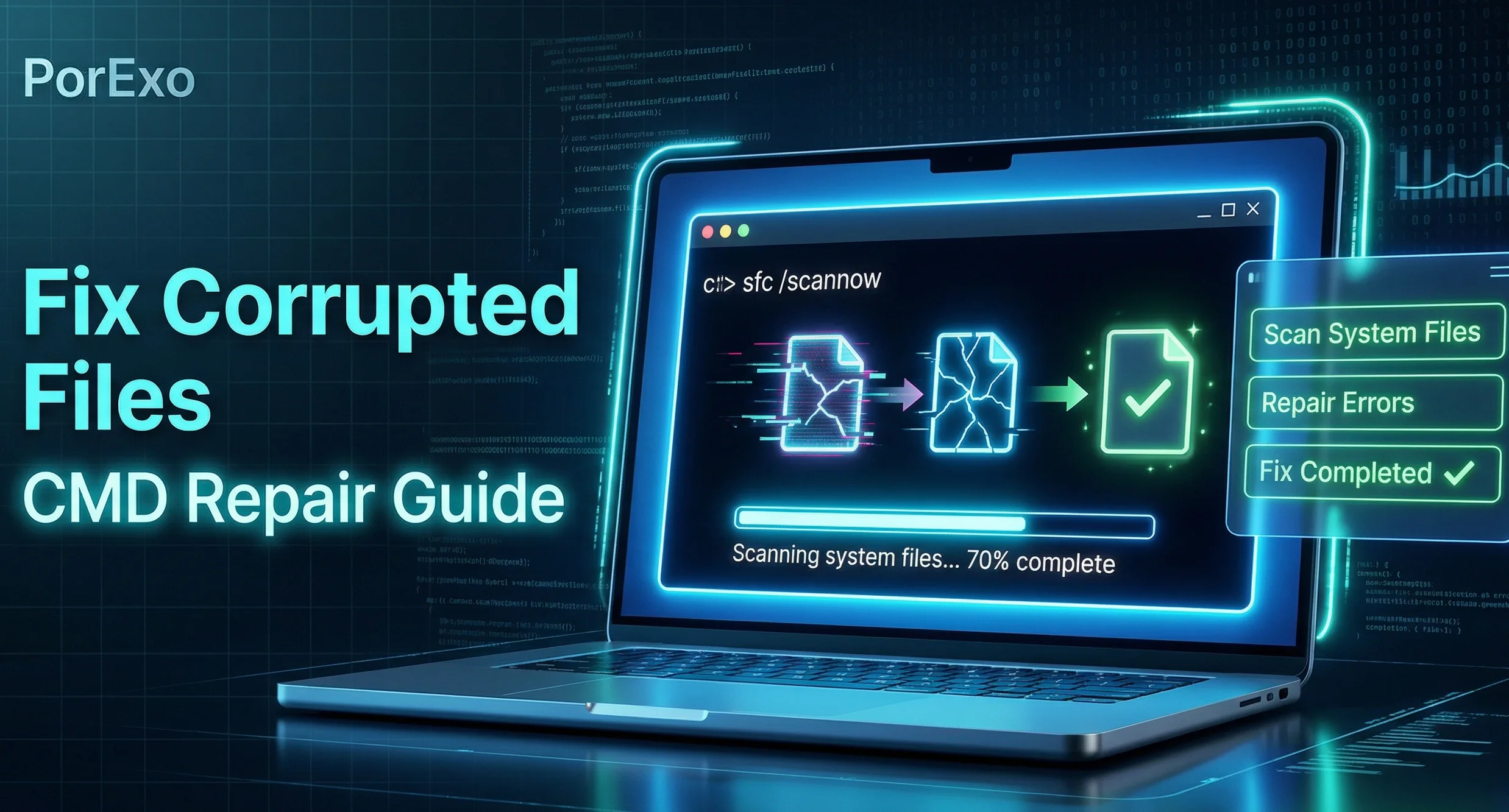
- Run the Scan Command: In the black Command Prompt window, type the following command and press Enter:
arduino
sfc /scannow - Wait for the Scan to Finish: The scan will start. You'll see a percentage indicator. This can take 15-30 minutes, so be patient and don't turn off your computer.
- Review the Results: When it's done, it will tell you what it found. It might say it found and fixed corruptions, or that it found none. Read the final message carefully.
- Restart Your Computer: Always restart your PC after the scan completes. This allows any repaired files to be loaded properly.
What to Do If SFC Scannow Doesn't Fix the Problem
Sometimes, the `sfc /scannow` tool can't fix the issue because the backup source it uses is also damaged. Don't worry, there's a more powerful command you can try next: DISM (Deployment Image Servicing and Management).
First, run this DISM command to check and repair Windows itself, which helps SFC do its job better.
DISM /Online /Cleanup-Image /RestoreHealthAfter DISM finishes (this can also take a while), restart your computer and then run `sfc /scannow` again. This two-step approach solves most system file corruption issues.
Keeping Your System Healthy
Running these scans is a great way to fix problems, but prevention is better. To avoid file corruption in the first place:
- Always shut down your PC properly using the Start menu.
- Use a good antivirus program to protect against malware. You can check out our guide on essential multi-tools that often include security features.
- Keep Windows updated. Updates often include fixes for known issues.
- Avoid interrupting Windows updates or forcing your PC to power off.
For other general PC maintenance, like cleaning up files or managing startup programs, you might find other utilities helpful. Explore our full list of free online tools for various tasks.
Frequently Asked Questions
📚 Read Next




Is it safe to run sfc /scannow?
Yes, it is completely safe. The System File Checker is an official Microsoft tool built into Windows. It only replaces system files with known good versions from a protected cache. It won't touch your personal documents, photos, or other data.
How long does sfc /scannow take?
It usually takes between 15 to 30 minutes, depending on the speed of your hard drive (SSD is faster) and how many files it needs to check. It's best to run it when you don't need to use your computer for a bit.
What does "Windows Resource Protection found corrupt files but was unable to fix some of them" mean?
This message means SFC found the problem but couldn't get a clean copy of the file to fix it. This is when you should run the DISM /Online /Cleanup-Image /RestoreHealth command first, as explained above, and then try SFC again.
Can I use Command Prompt to fix other PC issues?
Absolutely. Command Prompt is a powerful tool for many tasks. For example, you can check your disk's health with chkdsk, or flush your DNS cache with ipconfig /flushdns. For fixing other types of files, like images or PDFs, you might prefer a graphical tool. For instance, you can compress a PDF or remove an image background using our online tools.