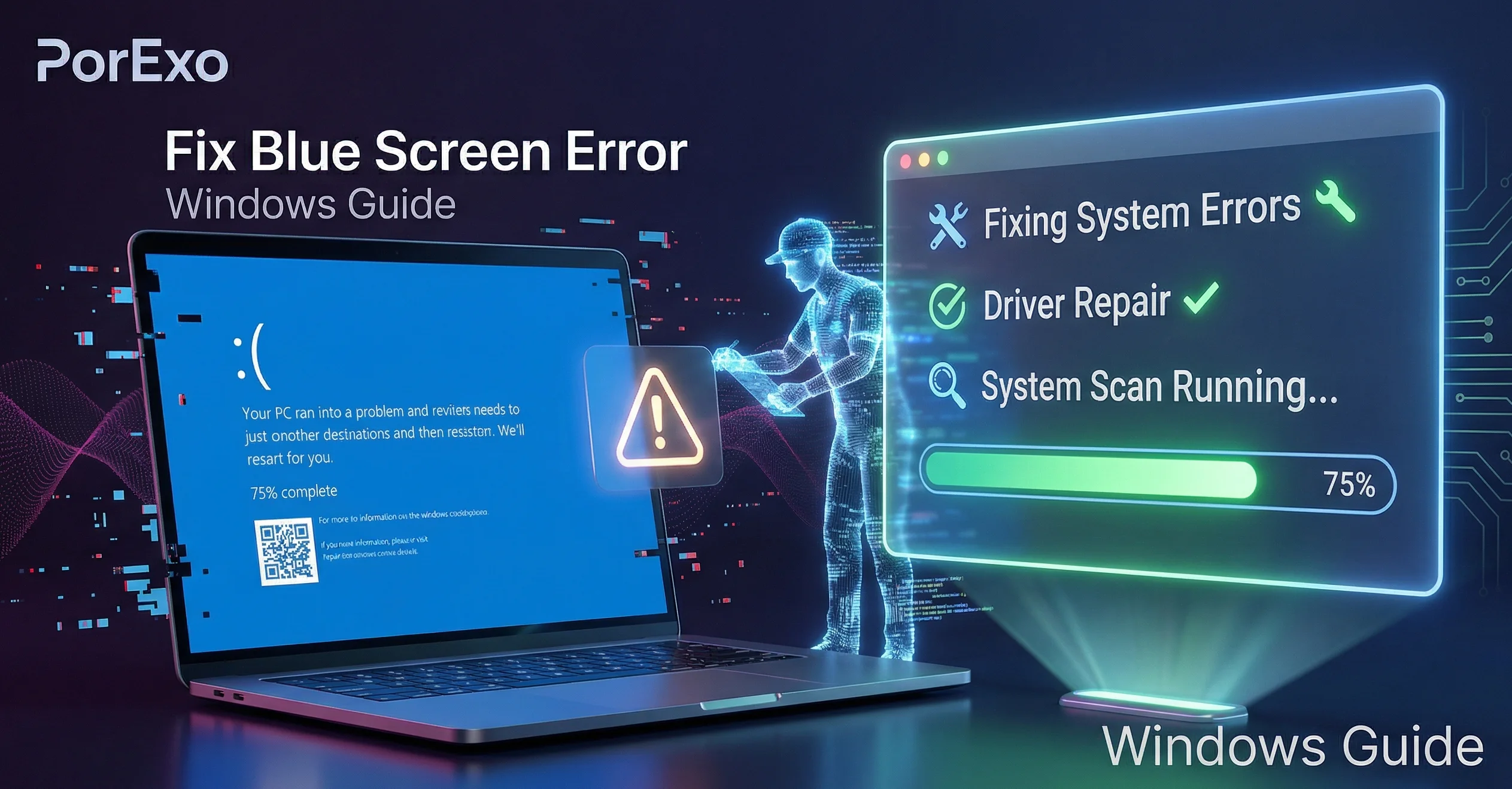
Seeing a blue screen on your Windows computer can be a real scare. The screen goes blue, shows some white text, and your computer just stops. Don't worry, it's a common problem and you can usually fix it yourself. Let's walk through the steps together.
What is a Blue Screen Error?
Officially called a "Stop Error," it's Windows's way of saying it ran into a serious problem and had to shut down completely to prevent damage to your system. Think of it like a circuit breaker tripping in your house to stop an electrical overload.
First Steps When You See the Blue Screen
Before we try anything complicated, let's do the simple stuff first.
- Note the Error Code: On the blue screen, look for a line that says something like "STOP: 0x0000007B" or a short error name like "DRIVER_IRQL_NOT_LESS_OR_EQUAL." Write this down or take a picture with your phone. This code is a big clue.
- Restart Your Computer: Sometimes, it's just a one-time glitch. Press and hold your computer's power button to turn it off, wait 10 seconds, and turn it back on.
Common Fixes for Blue Screen Errors
If the problem keeps happening, try these solutions in order.
1. Check for Recent Changes
Did you just install a new program, a game, or a hardware device (like a printer or USB device)? If the blue screen started after that, try uninstalling that software or disconnecting the new hardware to see if the problem goes away.
2. Update Your Drivers
Drivers are small pieces of software that let Windows talk to your hardware (like your graphics card, printer, or mouse). Outdated or corrupt drivers are a very common cause of blue screens.
- Go to Start > Settings > Update & Security > Windows Update and click "Check for updates." Install any available updates, as these often include driver fixes.
- For critical drivers (especially graphics card drivers from NVIDIA, AMD, or Intel), visit the manufacturer's website directly to download and install the latest version.
3. Run a Memory Diagnostic
Faulty RAM (your computer's memory) can cause all sorts of crashes.
- Type "Windows Memory Diagnostic" into your Start menu search bar and open it.
- Choose "Restart now and check for problems." Your computer will reboot and run a test.
- After it restarts, check the results. If it finds errors, you may need to replace your RAM sticks.
4. Check for Hard Drive Issues
Problems with your main storage drive (HDD or SSD) can also lead to blue screens.
- Open File Explorer and right-click on your main drive (usually C:).
- Select Properties > Tools > Check under "Error checking."
- Follow the prompts to scan the drive for errors.
5. Use System Restore
This is like a time machine for your PC's settings. It will revert your system files, programs, and registry to a point before the blue screens started, without touching your personal files.
- Type "Create a restore point" in the Start menu search and open it.
- Click the System Restore button.
- Follow the wizard and choose a restore point from a date when your computer was working fine.
6. Scan for Malware
Sometimes, viruses or malware can corrupt system files. Run a full scan with Windows Security (built-in) or your trusted antivirus software.
If You Can't Start Windows Normally
If the blue screen happens during startup and you can't get to your desktop, you'll need to use Windows Recovery Environment (WinRE).
- Force restart your computer 3 times during the boot process (by holding the power button) to trigger WinRE.
- Go to Troubleshoot > Advanced options.
- From here, you can try:
- Startup Repair: Lets Windows try to fix startup problems automatically.
- System Restore: Access System Restore from this menu.
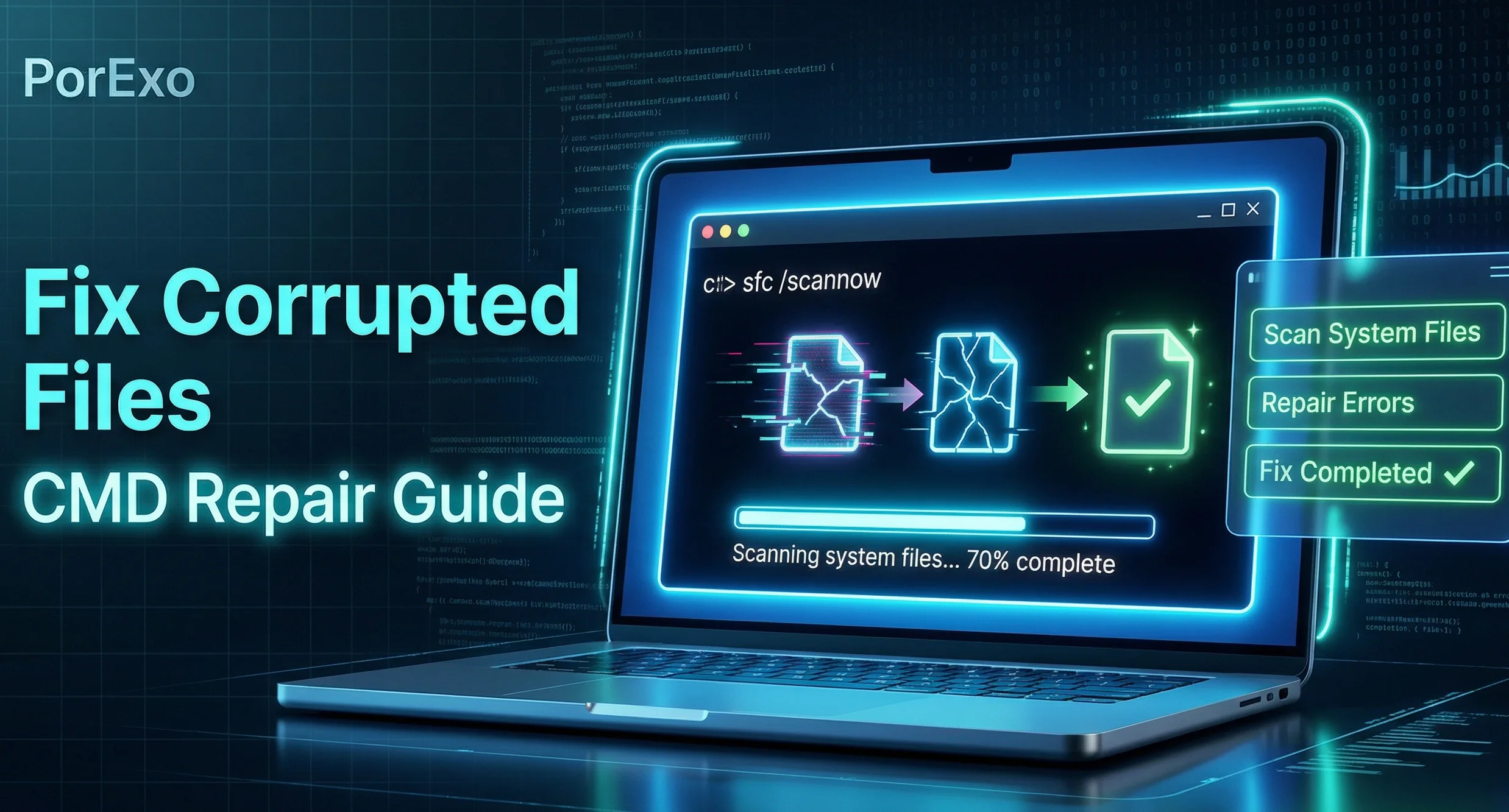
- Command Prompt: For more advanced fixes (like running the `sfc /scannow` command to repair system files).
Here's how to run the System File Checker command if you can get to the Command Prompt:
sfc /scannowWhen to Consider Hardware
If you've tried all the software fixes and the blue screens continue, it might be a hardware problem. Common culprits are:
- Failing RAM (memory).
- An overheating CPU or GPU (check your fans and clean dust from vents).
- A failing power supply unit (PSU).
- A faulty hard drive or SSD.
At this point, if you're not comfortable opening your computer, it might be best to consult a professional technician. You can also use other Porexo tools to help diagnose related issues, like checking system info or managing files before a repair. For example, our Text Editor can be useful for editing configuration files, and the Unit Converter might help if you're looking up hardware specifications.
Frequently Asked Questions
📚 Read Next

Will I lose my files if I get a blue screen?
Usually not. The blue screen itself is a protective stop. Your files are typically safe on your hard drive. However, if the crash was caused by a failing hard drive, you should back up your important data immediately using an external drive or cloud service.
Can outdated Windows cause blue screens?
Yes, absolutely. Not installing Windows updates can leave your system vulnerable to bugs and compatibility issues that Microsoft has already fixed. Always keep your system updated through Settings > Update & Security.
Is it safe to use System Restore?
Yes, it's generally very safe for fixing system problems. It only changes system files, programs, and registry settings to a previous state. Your personal documents, photos, emails, and other data are not affected. Any programs you installed after the restore point will need to be reinstalled.
Where can I find more help for my specific error code?
You can search for the exact error code (like "0x0000007B") on Microsoft's official support website or on trusted tech forums. The Microsoft Docs page on Bug Check Code Reference is an excellent technical resource for understanding what each code means.