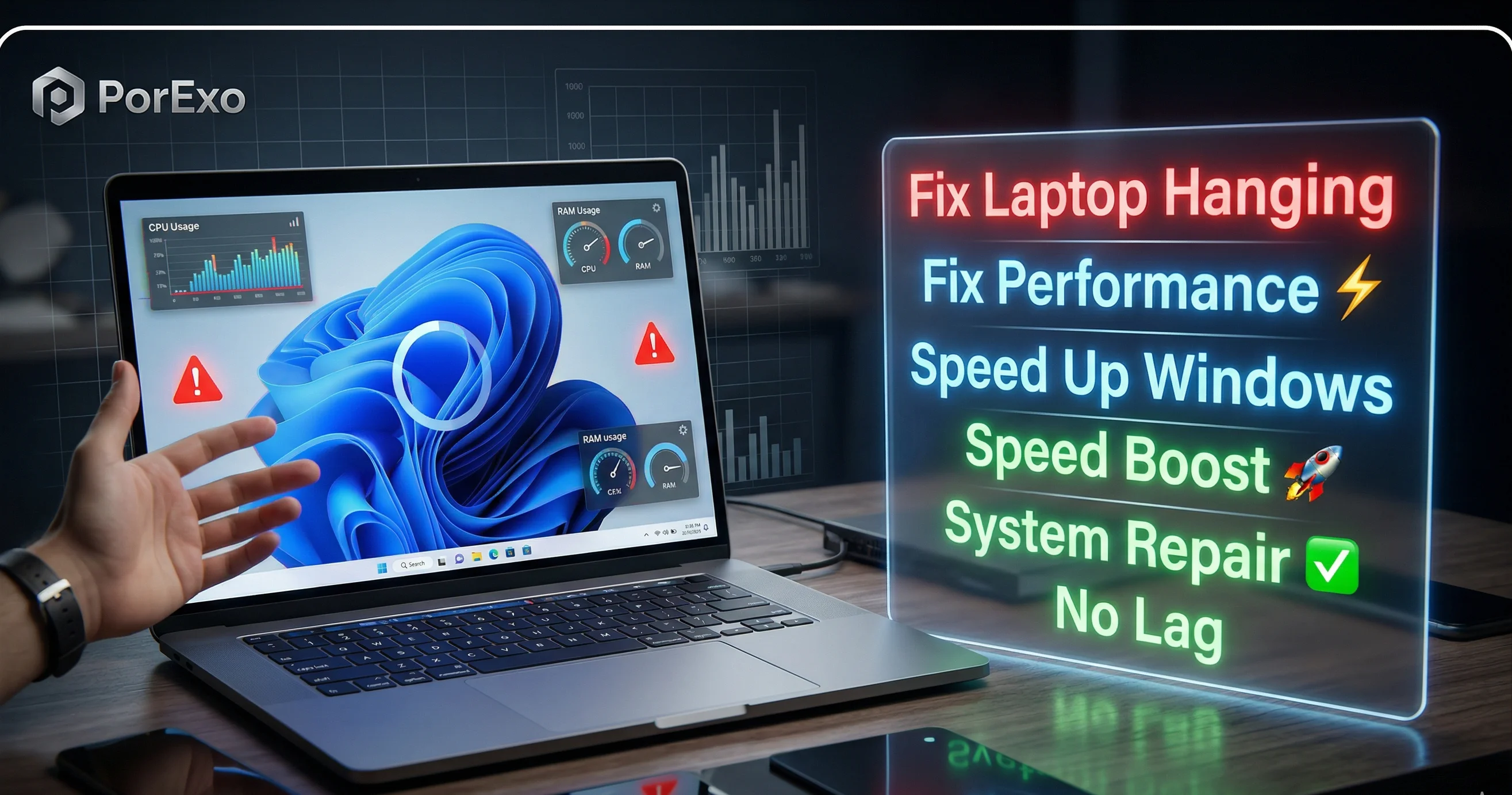
Hey there! If your laptop has started feeling sluggish, like it's wading through mud, don't worry. It happens to the best of us. Let's walk through some straightforward steps you can take to get it running smoothly again. Think of it like giving your laptop a quick tune-up.
Start with the Simple Stuff
Often, the easiest fixes make the biggest difference. Before we get into anything complicated, try these.
1. Give Your Storage Some Breathing Room
Your laptop's storage (like its C: drive) can get clogged up over time. When it's nearly full, everything slows down. Here's how to clean it up:
- Delete files you don't need: Go through your Downloads, Desktop, and Documents folders. Old installers, duplicate photos, and forgotten videos are common culprits.
- Uninstall programs you never use: Go to Settings > Apps > Installed apps and remove software that's just taking up space.
- Use Disk Cleanup: Search for "Disk Cleanup" in your Start menu, select your main drive, and let Windows suggest temporary files and system files to remove.
2. Stop Programs from Launching Automatically
When you turn on your laptop, a bunch of programs might start up in the background without you realizing it. This makes booting up take forever. Let's control that.
- Press Ctrl + Shift + Esc to open the Task Manager.
- Click on the Startup tab.
- You'll see a list of programs. Right-click on any you don't need immediately (like cloud storage sync apps or chat programs) and select Disable.
This doesn't uninstall the program; it just stops it from running until you open it yourself.
3. Check for Unwanted Guests (Malware)
Sometimes, a slow laptop is a sign of a virus or malware running in secret. It's a good idea to run a scan.
- Use Windows Security (built into Windows 10 & 11). Search for "Windows Security" and run a full scan.
- You can also use a trusted, free tool like Malwarebytes for a second opinion.
Move on to System Maintenance
If the basics didn't do the trick, these next steps involve a bit more system-level maintenance.
4. Keep Windows and Drivers Updated
Updates often include performance improvements and bug fixes.
- Go to Settings > Windows Update and check for updates.
- For drivers (software that lets Windows talk to your hardware), you can check your laptop manufacturer's website (Dell, HP, Lenovo, etc.) or use Windows Update for driver updates too.
5. Adjust for Best Performance (Visual Trade-off)
Windows has some fancy visual effects that can use up resources. Turning them off can free up power for more important tasks.
- Search for "View advanced system settings" and open it.
- Under the Advanced tab, click Settings in the Performance section.
- Select Adjust for best performance and click OK. This will make Windows look plainer but can be snappier.
When to Consider Hardware Upgrades
If your laptop is still slow after all the software fixes, the bottleneck might be the physical components. The two most impactful upgrades are:
- Adding more RAM: This is your laptop's short-term memory. If you have less than 8GB, upgrading to 8GB or 16GB can let you run more programs at once without slowing down. Check out a guide on how to upgrade laptop RAM.
- Switching to an SSD: This is the biggest upgrade you can make. Replacing an old hard disk drive (HDD) with a solid-state drive (SSD) makes everything—booting, opening files, loading programs—feel incredibly fast. It's like replacing a dusty country road with a highway.
Note: Before buying anything, check online if your specific laptop model allows these upgrades.
Frequently Asked Questions
📚 Read Next
How do I know if I need more RAM or an SSD?
Open Task Manager (Ctrl+Shift+Esc) while your laptop feels slow. If the "Memory" section is consistently near 100%, you need more RAM. If your disk ("C:") is constantly at 100% activity, an SSD will help massively.
Will resetting Windows make my laptop faster?
It can, as it gives you a fresh start without old programs and files. But it's a nuclear option—you'll need to back up all your personal data first. Try the cleanup steps above before going this route. You can find the option in Settings > System > Recovery.
My laptop is slow only on the internet. What should I do?
That's likely a network or browser issue, not a general laptop slowdown. Try clearing your browser's cache, updating the browser, or restarting your Wi-Fi router. You can also use our SEO Tester tool to check website performance, which can sometimes highlight related issues.
Are there any tools to help clean my laptop automatically?
Windows has built-in tools like Disk Cleanup and Storage Sense (Settings > System > Storage). Be cautious with third-party "PC cleaner" software, as some can be more harmful than helpful. For managing other types of files, you might find utilities like our Image Compressor or PDF Compressor useful for freeing up space manually.
Following these steps in order should help you identify and fix what's slowing down your laptop. Start with the simple cleanup, and only move to hardware upgrades if you need to. Good luck!