If you're new to quantum computing and want to learn, starting with a good online course is a great idea. It can feel a bit overwhelming at first, but the right course will walk you through the basics step-by-step. Here’s a simple guide to help you pick one.
What to Look For in a Course
- Start Simple: Look for courses that are labeled "beginner" or "introduction." They should explain things like qubits, superposition, and entanglement without assuming you already know advanced physics or math.
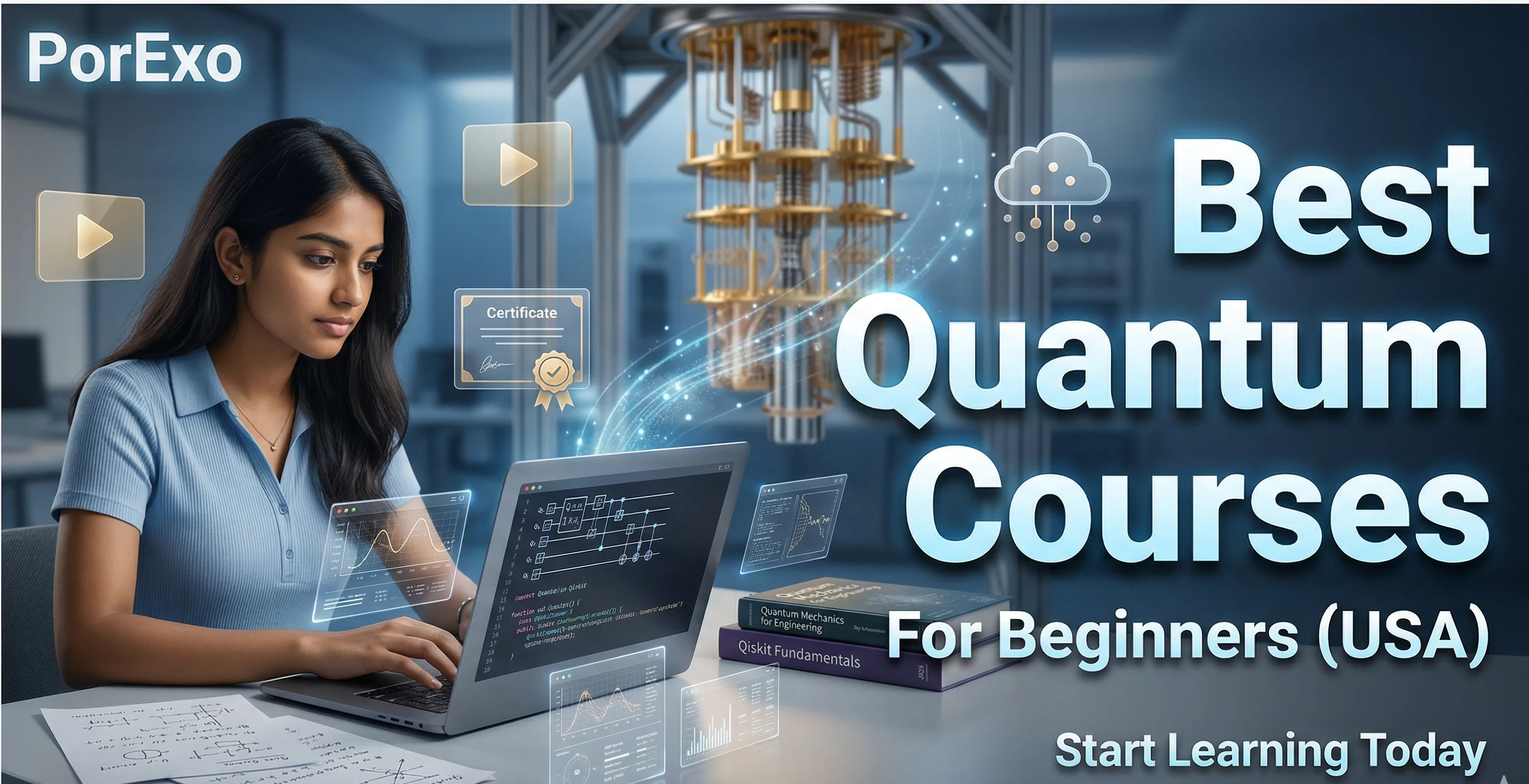
- Hands-On Practice is Key: The best way to learn is by doing. A good course will have exercises where you can write simple quantum programs, often using simulators or tools like IBM's Qiskit. This makes the ideas much clearer.
- Check the Reviews: See what other students are saying. Platforms usually have ratings and written reviews. Look for comments about how clear the instructor was and if the course met their expectations.
- Pace Yourself: Learning something new takes time. Choose a course you can fit into your schedule and try to practice a little bit regularly instead of cramming all at once.
Where to Find These Courses
Several well-known platforms offer excellent courses. You don't need to be at a university to access them.
- Coursera: Often partners with universities. Courses like "Quantum Computing for Everyone" from the University of Chicago are a solid starting point.
- edX: Similar to Coursera, with courses from institutions like MIT. Their introductory courses are very thorough.
- Udemy: Has a wide variety of courses from individual instructors. Look for ones with high ratings and recent updates to ensure the content is current.
Many of these platforms offer a way to audit the course for free, so you can try it before you pay for a certificate.
A Simple Example to Get a Feel
To give you an idea of what you might learn, here's a very basic example of a quantum circuit written in Qiskit, a popular Python library. Don't worry about understanding it all now—it's just to show you what the code looks like.
# Import the necessary tools from Qiskit
from qiskit import QuantumCircuit, Aer, execute
from qiskit.visualization import plot_histogram

# Create a quantum circuit with 1 qubit and 1 classical bit
qc = QuantumCircuit(1, 1)

# Put the qubit into a superposition using a Hadamard gate
qc.h(0)

# Measure the qubit and store the result in the classical bit
qc.measure(0, 0)

# Use a simulator to run the circuit
simulator = Aer.get_backend('qasm_simulator')
job = execute(qc, simulator, shots=1024)
result = job.result()

# Get the measurement counts and print them
counts = result.get_counts(qc)
print("Measurement results:", counts)

# This creates a simple quantum random number generator!
# You'll learn what all this means in a beginner course.
For more hands-on tools that can help with general computing and data tasks as you learn, check out our collection of free online tools. If you're working with data, our CSV Editor can be very handy.
To dive deeper into the theory and find excellent learning resources, the IBM Quantum Learning portal is a fantastic and authentic external resource to explore.
Frequently Asked Questions
📚 Read Next


Do I need to be a math expert to start?
Not at all! A good beginner course will teach you the necessary math concepts (like linear algebra and probability) as you go. It's more important to have curiosity and a willingness to learn.
Are these courses really free?
Many platforms let you "audit" the course for free, which gives you access to all the video lectures and reading materials. Usually, you only need to pay if you want a graded certificate to share on your resume.
What can I actually do with quantum computing knowledge as a beginner?
Initially, you'll learn the core concepts and how to write basic quantum algorithms. This foundation is crucial for understanding future applications in fields like medicine, finance, and materials science. You can start by running small programs on cloud-based quantum simulators.
How long does it take to complete a beginner course?
Most introductory courses are designed to take 4 to 8 weeks if you dedicate a few hours each week. The pace is often flexible, so you can take longer if you need to.