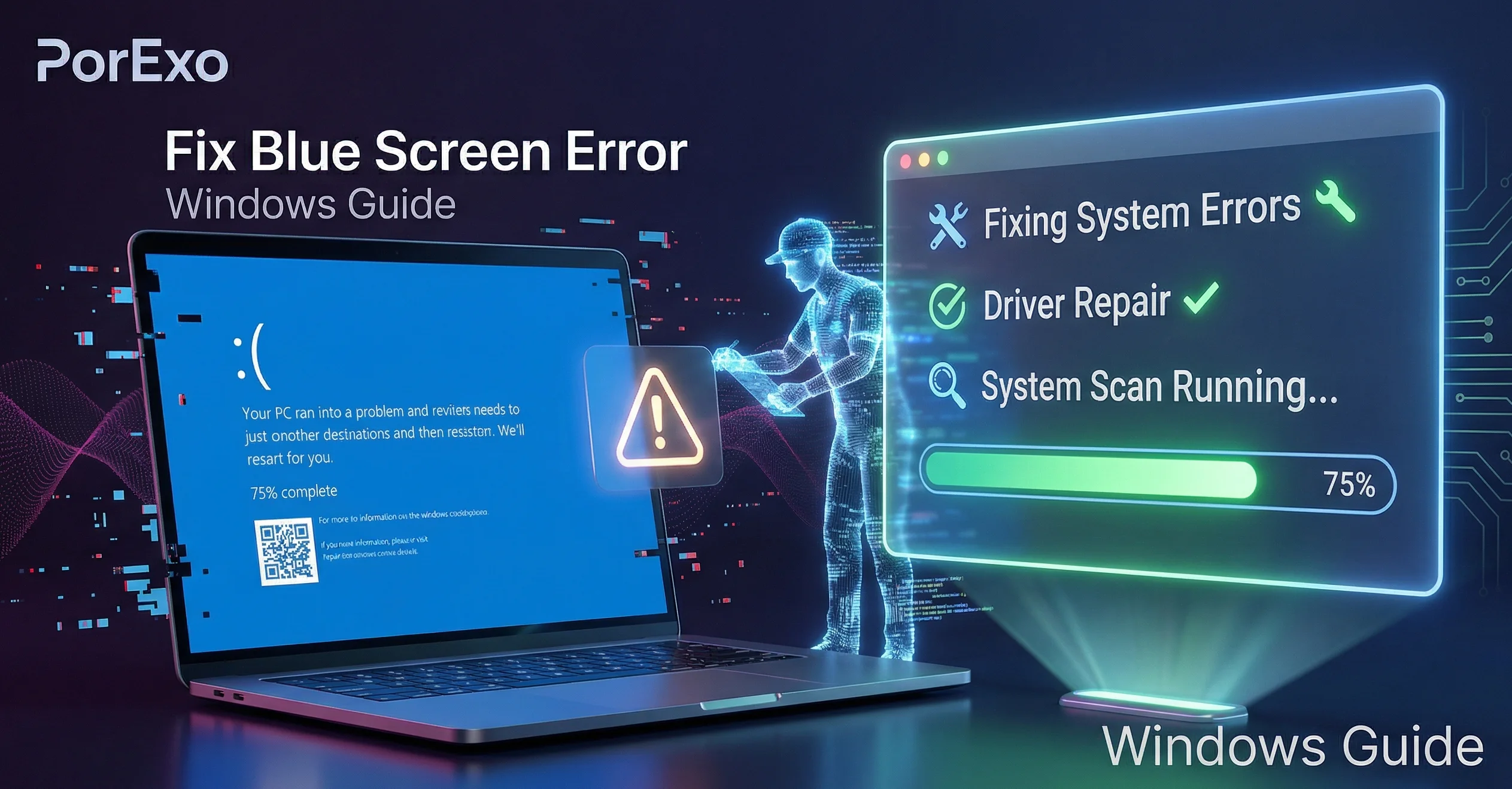
Hey there! If you're seeing a "driver not installed" error on your Windows 10 or 11 PC, don't worry. It's a common hiccup, and it usually means Windows can't properly talk to a piece of hardware, like your printer, graphics card, or USB device. Let's walk through some simple steps to get things working again.
First, Let's See What's Going On in Device Manager
Think of Device Manager as your computer's control panel for all its hardware. This is the best place to start diagnosing the problem.
- Right-click on the Start Menu button and select Device Manager.
- Look for any devices with a yellow triangle and exclamation mark (⚠). This icon is your clue that something's wrong with that driver.
- You might also see an "Unknown device" listed, which is another sign of a driver issue.
Step-by-Step Fixes to Try
Try these solutions in order. Often, the first or second one does the trick.
1. The Quick Refresh: Scan for Hardware Changes
This tells Windows to take another look at all the connected hardware, which can sometimes jolt a missing driver into action.
1. Open Device Manager.
2. Click on the "Action" menu at the top.
3. Select "Scan for hardware changes".
4. Wait a moment and see if the error disappears.
2. Update the Driver (Let Windows Search)
Windows Update isn't just for system updates; it has a huge library of drivers too.
- In Device Manager, right-click the problem device.
- Select Update driver.
- Choose Search automatically for drivers.
- Follow the on-screen instructions and restart your PC if prompted.
3. Update the Driver (Manual Install)
If Windows can't find it, you can go directly to the source. This is often the best method for components like graphics cards or chipsets.
- Visit the official website of your PC's manufacturer (like Dell, HP, Lenovo) or the component maker (like NVIDIA, Intel, Realtek).
- Find the "Support" or "Drivers" section.
- Enter your exact model number and download the latest driver for your version of Windows.
- Run the downloaded installer file and follow its steps.
For example, if you have an NVIDIA graphics card, you would get the driver from the official NVIDIA Driver Download page.
4. Reinstall the Driver
If updating didn't work, a clean reinstall can clear out any corrupted files.
1. In Device Manager, right-click the faulty device.
2. Select "Uninstall device".
3. In the dialog box, check the box that says "Attempt to remove the driver for this device" (if available).
4. Click "Uninstall".
5. Restart your computer. Windows will try to install a fresh driver on startup.
5. Run the Hardware and Devices Troubleshooter
Windows has built-in tools designed to automatically find and fix these kinds of problems.
- Press Windows Key + I to open Settings.
- Go to System > Troubleshoot > Other troubleshooters.
- Find "Hardware and Devices" and click Run.
6. Check Windows Update for Optional Driver Updates
Sometimes, newer drivers are listed as optional updates that you need to manually approve.
- Go to Settings > Windows Update.
- Click on Advanced options.
- Select Optional updates. If driver updates are listed here, select them and install.
What if it's a USB Device?
For USB-related driver issues (like a flash drive or external hard drive not showing up), try this specific trick:
- Open Device Manager.
- Expand the Universal Serial Bus controllers section.
- Right-click on each "USB Root Hub" and select Uninstall device.
- Restart your PC. Windows will reinstall all the USB controllers automatically, which can resolve conflicts.
Frequently Asked Questions
📚 Read Next
What causes a "driver not installed" error?
It's usually caused by a corrupted driver file, a failed update, a new piece of hardware that Windows doesn't recognize, or sometimes after a major Windows update.
Is it safe to download drivers from third-party websites?
It's not recommended. Third-party sites can bundle malware or provide outdated drivers. Always get drivers from the official manufacturer's website or through Windows Update. For managing other types of files safely, you can use trusted tools like our Image to PDF Converter or Compress PDF tool.
My driver installs but the error comes back after restart. What now?
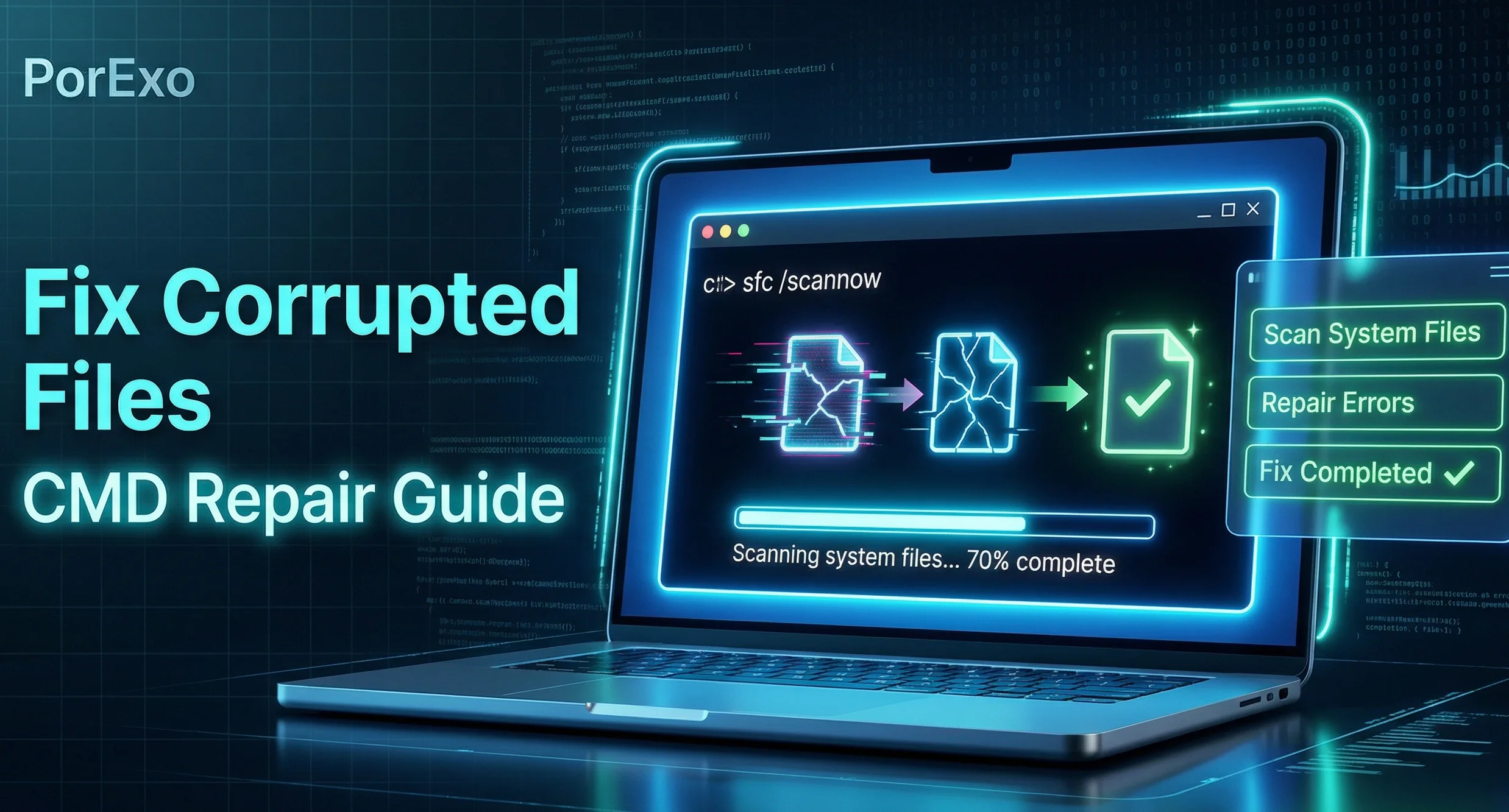
This can point to a deeper issue. Try running a System File Checker scan. Open Command Prompt as Administrator and type sfc /scannow. This checks for and repairs corrupted Windows system files that might be interfering.
Where can I find my PC's model number to download drivers?
For laptops and pre-built desktops, the model number is usually on a sticker on the bottom or back. You can also press Windows Key + R, type msinfo32, and look for "System Model". For custom-built PCs, you'll need the model of each component (like the motherboard).
Final Tip: If you're still stuck after trying all this, the problem might be with the hardware itself. Try connecting the device to another computer to see if it works there. Good luck! Getting drivers sorted can feel like a chore, but it's a great skill to have for keeping your PC running smoothly.