
Quantum computing is changing the game for cybersecurity and AI in the USA by tackling problems that are too complex for today's computers. It's not just a theory anymore; it's starting to be used in real projects.
Key Points
- Enhancing encryption techniques
- Accelerating machine learning algorithms
- Improving threat detection and prevention
- Optimizing data analysis processes
How It's Being Used Today
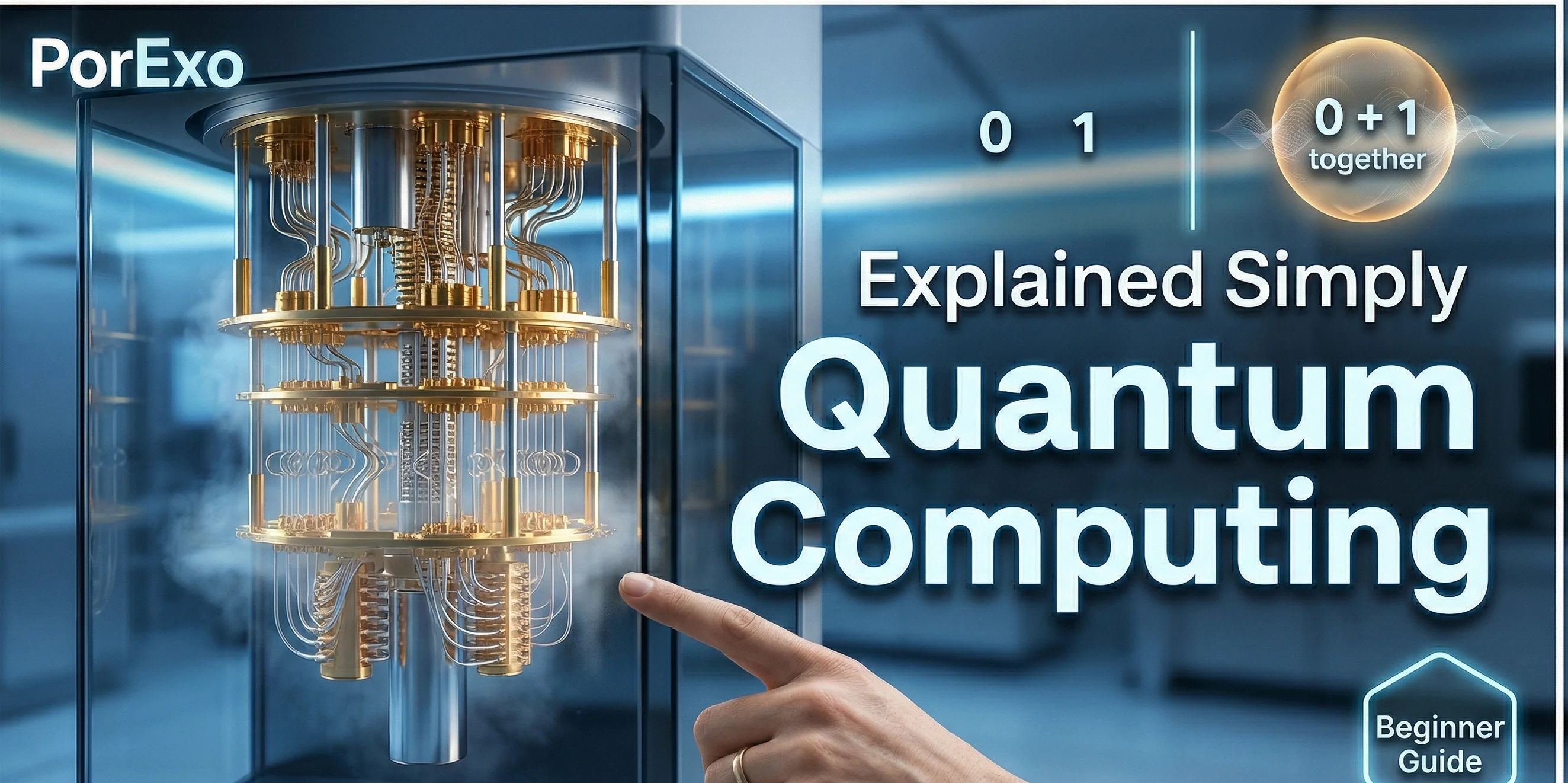
Let's break down those key points into simpler terms. Think of a regular computer like a light switch—it's either on (1) or off (0). A quantum computer is more like a dimmer switch that can be on, off, and everything in between all at once. This lets it try many solutions to a problem simultaneously.
In cybersecurity, this power is a double-edged sword. On one hand, it could break the current encryption that protects our online data. On the other hand, it's leading to new, "quantum-proof" encryption methods that even these powerful computers can't crack. Companies and governments are starting to test these new systems to future-proof sensitive information. For example, you can use tools like a Password Generator to create strong passwords today, but quantum computing is pushing us to develop entirely new ways to secure data.
In Artificial Intelligence (AI), quantum computers can sift through mountains of data incredibly fast. This speed helps machine learning models train more quickly and find patterns we might miss. This could lead to better fraud detection systems or more accurate models for things like drug discovery. If you work with data, you might use a CSV Viewer to look at your information; quantum computing aims to analyze datasets that are millions of times larger in a fraction of the time.
A Simple Code Example (The Idea)
While real quantum code is complex, here's a basic look at the structure using a common framework called Qiskit. This snippet sets up a simple quantum circuit.
# Import the necessary modules from Qiskit
from qiskit import QuantumCircuit, Aer, execute

# Create a quantum circuit with 2 quantum bits (qubits)
qc = QuantumCircuit(2)

# Apply a Hadamard gate to the first qubit to create superposition
qc.h(0)

# Apply a CNOT gate to entangle the two qubits
qc.cx(0, 1)

# Draw the circuit to see what we built
print(qc.draw())

# This creates a basic entangled state, the foundation for quantum speed.
This code doesn't solve a security or AI problem directly, but it shows how you start building the blocks (like entanglement) that give quantum computers their unique power. For more on data formats used in computing, check out our JSON Formatter tool.
Looking Ahead
The main thing to know is that this isn't science fiction. Big tech companies, banks, and research labs are actively running experiments. They're working on quantum algorithms to protect communications and to make AI models smarter and faster. It's an exciting field that will likely change how we think about solving difficult problems in the next decade.
For now, while the hardware is still developing, you can explore classical computing tools that handle your everyday tasks. Our suite of All Tools includes utilities for encrypting text, extracting text from images (OCR), and compressing PDFs, which are all grounded in today's technology.
Frequently Asked Questions
📚 Read Next



Is quantum computing a threat to my passwords right now?
Not immediately. Today's quantum computers aren't powerful enough yet to break current encryption in a practical timeframe. However, the research is pushing us to develop new encryption standards that will be secure for the long term, a process often called "post-quantum cryptography."
How can AI benefit from quantum computing?
The biggest benefit is speed. Training complex AI models can take weeks on supercomputers. Quantum computers have the potential to find optimal patterns in data much faster, which could drastically reduce training time and lead to more advanced models. It could be particularly useful for simulating molecules for new medicines or optimizing large, complex systems like global logistics.
Where can I learn more about the basics of computing and data?
A great way to start is by getting hands-on with the tools that power today's web and data analysis. You can experiment with our HTML Color Codes tool to see how web pages are styled, or use the Unit Converter to understand the fundamentals of measurement and data. For a direct look at structured data, try the JSON Editor.