Hey there! Looking for a remote job you can do from anywhere? That's a great goal. The world of remote work has opened up so much, but finding the right opportunity can feel a bit overwhelming. Don't worry, I've been there. Let's walk through this together, step-by-step, in a way that's clear and practical.
Step 1: Get Your Digital House in Order
Before you start applying, you need to make sure your professional materials are ready to impress.
Handy Tools For You
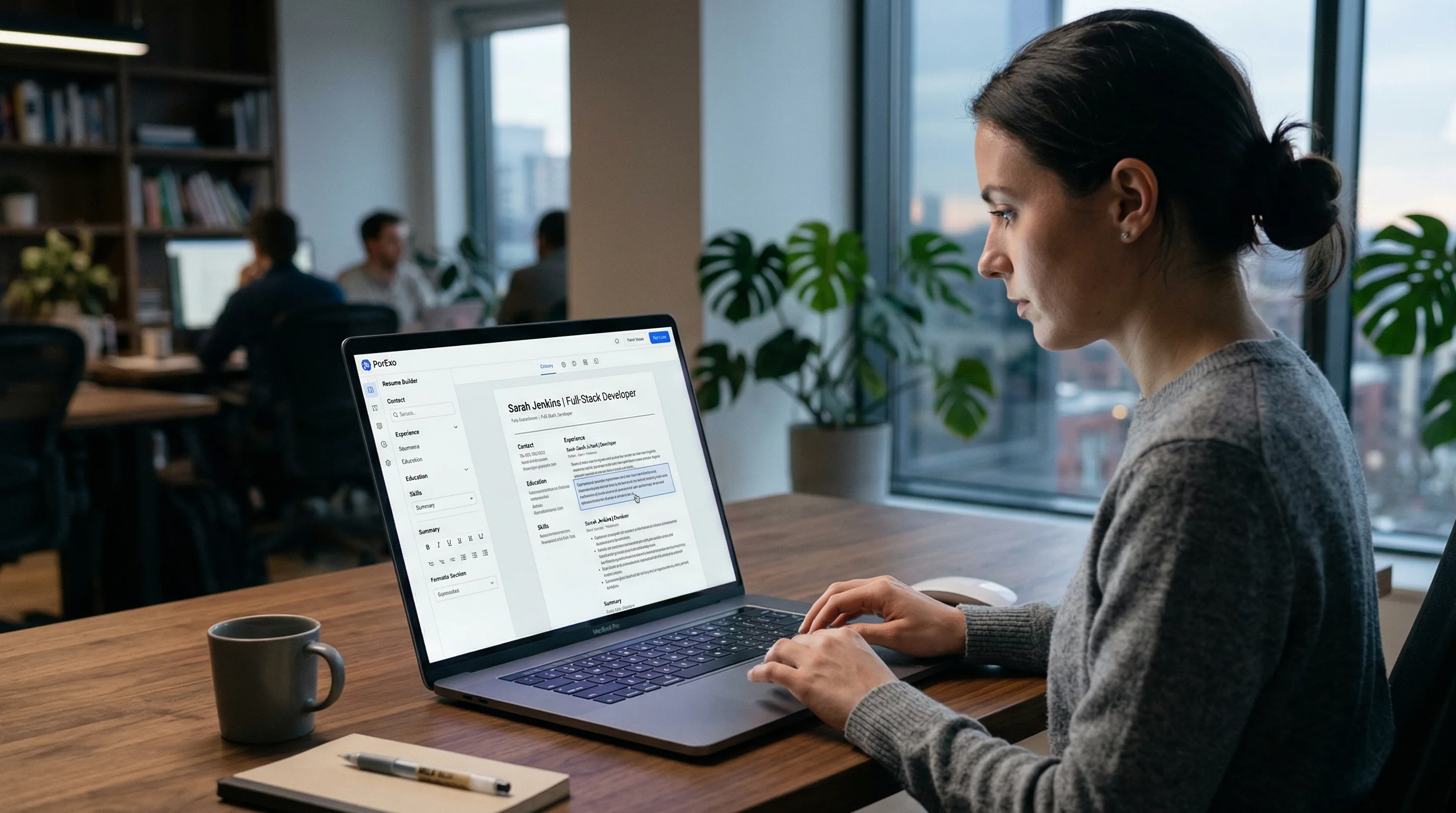
- Update Your Resume: Tailor it for remote work. Highlight skills like self-motivation, communication, and any experience with tools like Slack, Zoom, or project management software.
- Polish Your LinkedIn Profile: This is your online business card. Use a professional photo, write a clear headline (e.g., "Software Developer Seeking Remote Opportunities"), and fill out your experience thoroughly. Add the "Open to Work" frame for recruiters.
- Create a Portfolio (if applicable): For roles in design, writing, or development, a simple website showcasing your best work is a game-changer. You can use free tools like GitHub for code or Carrd for a quick site.
Step 2: Know Where to Look
You don't have to search everywhere at once. Focus on a few key types of websites.
- Dedicated Remote Job Boards: These sites only list remote positions.
- FlexJobs (curated, scam-free listings)
- Remote.co
- We Work Remotely
- Big General Job Boards: Use their filters! On sites like Indeed or LinkedIn Jobs, search for "remote" and set the location filter to "Remote".
- Company Career Pages: Think of companies you admire. Go directly to their websites and check their "Careers" section. Many now have "Remote" as a location option.
Step 3: Don't Underestimate Networking
Many jobs aren't advertised. Let people know you're looking.
- Be Active on LinkedIn: Comment on posts in your industry, share relevant articles, and connect with recruiters or employees at companies you like. A simple, polite message can go a long way.
- Join Online Communities: Platforms like Discord, Slack groups, or subreddits (like r/forhire) often have job channels.
- Tell Your Network: Let friends, former colleagues, and family know what kind of role you're seeking.
Step 4: Consider Freelancing as a Starting Point
Freelance platforms can be a great way to build experience, a portfolio, and client relationships that might lead to a full-time remote role.
Quick Tip: When you apply, write a short, personalized cover note for each job. Mention the company name and one specific thing you like about them. It shows you've done your homework and aren't just mass-applying.
A Simple Application Tracker
It's easy to lose track of where you've applied. You can use a spreadsheet, or here's a basic template you could set up in a tool like Notion or Google Sheets.
| Company Name | Job Title | Date Applied | Job Link | Status (Applied/Interview/Rejected) | Notes |
|--------------|-----------|--------------|----------|--------------------------------------|-------|
| TechCorp Inc. | Remote Frontend Dev | 2023-10-26 | https://example.com/job/123 | Interview | Follow up on Tuesday |
| DesignStudio | UI Designer | 2023-10-25 | https://example.com/job/456 | Applied | Portfolio link sent |
Frequently Asked Questions
I have no remote work experience. Can I still get a remote job?
Absolutely! Everyone starts somewhere. Focus on transferable skills in your resume: time management, clear written communication, and proficiency with online tools. You can also gain experience by taking on a small freelance project or contributing to an open-source project online.
How do I avoid remote job scams?
Great question. Be wary of jobs that sound too good to be true, ask for money upfront, or use poor grammar in communications. Research the company thoroughly. Legitimate companies will have a professional online presence and will interview you via video call, not just chat. Sites like FlexJobs pre-screen their listings to help with this.
What's the biggest mistake people make when applying for remote jobs?
The biggest mistake is using the same generic application for every job. Hiring managers can tell. Take 10 extra minutes to tweak your resume and cover letter to match the specific job description. Mention how your skills solve their problems.
Finding a remote job is a process. It might take a few weeks or a couple of months. Stay organized, be persistent, and keep refining your approach based on what works. You've got this! Good luck with your search.