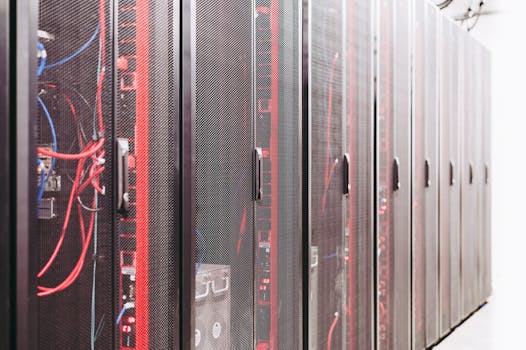
Think of YouTube's servers like a massive, global library for videos. When you click on a video, you're not getting it from one single computer in one place. Instead, a complex system of servers works together to find that video and send it to your screen as quickly as possible.
What Do These Servers Actually Do?
Their main job is pretty straightforward: store videos and send them out when asked. But the way they do it is what makes YouTube so fast and reliable.
- Storage: They hold all the videos, from the latest music video to a ten-year-old cat compilation.
- Distribution: They figure out the fastest route to get the video data to you, no matter where you are.
- Handling Requests: Every time you hit play, pause, or search, a server processes that request instantly.
- Global Network: YouTube has servers placed all over the world. This means the video you want is probably stored on a server physically closer to you, which makes it load faster.
Keeping Everything Running Smoothly
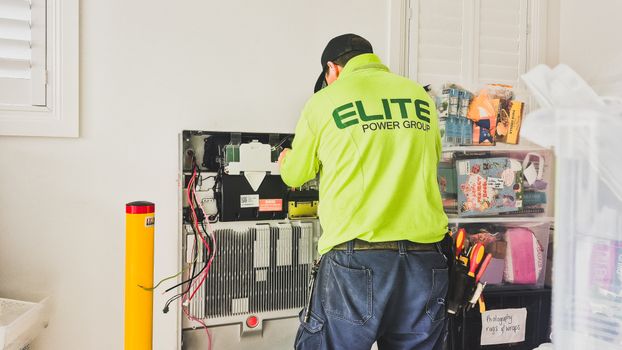
Just like any important machine, these servers need regular check-ups and maintenance. This behind-the-scenes work is what prevents buffering and downtime, so you can binge-watch your favorite channels without interruption.
If you're interested in how video files themselves work, you might like our tool to convert WebP to JPG. For creators, ensuring your video thumbnails look great is key; you can use our YouTube Thumbnail Downloader for inspiration.
Frequently Asked Questions
📚 Read Next




Why does my YouTube video sometimes buffer?
Buffering usually happens because of a slow internet connection on your end, or sometimes if there's a temporary hiccup with the server closest to you. The server is trying to send the video data faster than your connection can receive it.
How does YouTube decide which server to use?
YouTube's system automatically detects your location and sends your request to a data center that is geographically nearest to you. This reduces the distance the data has to travel, making streaming smoother.
Can a YouTube server crash?
Individual servers can have issues, but YouTube's network is designed with a lot of redundancy. If one server has a problem, your request is automatically routed to another one, so you might not even notice.
For more technical tools that work with different file formats, check out our full list of free online tools.