Thinking about making your home smarter in 2026? It's an exciting idea, but figuring out the budget can be confusing. Let's break down what goes into the cost, so you can plan without any surprises.
What Makes Up the Total Cost?
Home automation isn't a single product with one price tag. It's more like building a system. The final cost depends on a few key things:
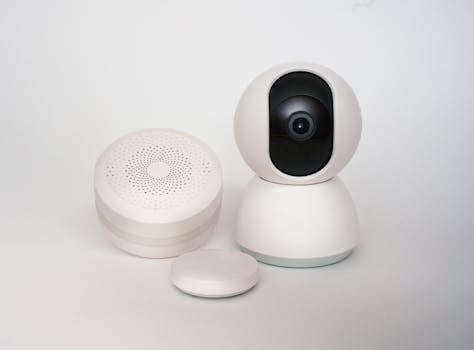
- The "Brain" of the System: This is the main hub or controller (like those from Google, Amazon, or specialized brands) that connects everything. Prices start from a few thousand rupees and go up.
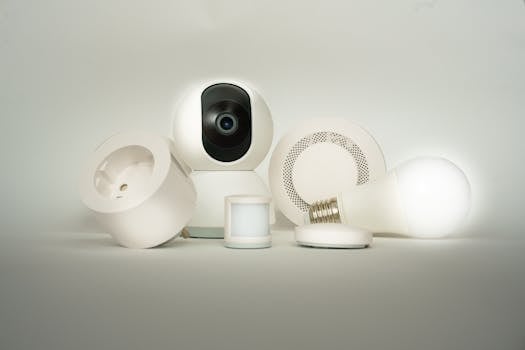
- What You Want to Control: Are you starting with smart lights and a speaker, or do you want automated curtains, security cameras, and AC control? Each device adds to the cost.
- Your Home's Size & Wiring: A larger home or an older one that needs new wiring will cost more to set up than a smaller, newly-built apartment.
- Professional Installation: While some plugs and bulbs are DIY, a full system with reliable wiring needs a professional. Their labour charges are a big part of the budget.
A Rough Price Guide for 2026
Here’s a simple table to give you a ballpark figure. Remember, these are estimates and can vary based on brands and complexity.
| Automation Level | What's Included | Estimated Cost Range (₹) |
|---|---|---|
| Basic Starter Kit | Smart Hub, 4-5 Smart Bulbs/Plugs, 1 Smart Speaker | 15,000 - 35,000 |
| Mid-Range (Most Popular) | Hub, Smart Lights for key rooms, Smart Locks, 2-3 Security Cameras, Thermostat/AC control | 50,000 - 1,50,000 |
| Full Home Automation | Whole-home lighting control, motorized blinds, multi-room audio, advanced security, climate control, professional installation | 2,00,000 - 10,00,000+ |
Smart Ways to Save on Your Project
You don't have to do everything at once. Here’s a practical approach:
- Start Small: Pick one room or one type of device (like lighting) to begin with. See how you like it.
- Choose Compatible Brands: Stick to devices that work with common platforms like Google Home or Alexa. This gives you flexibility to mix brands later. You can use tools like our Unit Converter if you're comparing technical specs from different countries.
- Get Multiple Quotes: Always talk to 2-3 certified installers. Ask for a detailed breakdown of costs for both products and labour.
- Plan for the Future: Even if you install basic wiring now, make sure it can support more devices later. This avoids expensive re-wiring.
The key is to see home automation as a gradual upgrade to your living space, not an all-or-nothing purchase. Start with what solves a real problem for you, and build from there.
Frequently Asked Questions
📚 Read Next
Can I install home automation myself?
For simple devices like smart bulbs, plugs, or speakers, yes, it's very DIY-friendly. However, for hardwired systems involving lights, switches, or security systems, it's safer and more reliable to hire a professional electrician or installer.
Will home automation increase my electricity bill?
It can actually help you save. Smart LED lights use less power, and smart thermostats/AC controllers optimize cooling/heating, reducing waste. The control hubs and sensors use a negligible amount of electricity.
Is the technology going to change too fast?
The core ideas (controlling lights, security, climate) remain stable. While new gadgets will always come out, choosing devices that work with major platforms (Google, Apple, Amazon) ensures they will keep receiving updates and remain useful for years.
Where can I plan my budget in detail?
It helps to list all your desired features and research individual product prices online. For keeping track of costs and calculations, you can use a simple spreadsheet or a tool like our Compound Interest Calculator to understand long-term value, or the EMI Calculator if you're considering financing options.